Trends can help a private label skincare brand choose products with stronger market appeal, but they should not replace manufacturing judgment. A trend is only useful when it can be translated into a stable formula, practical packaging, reasonable MOQ, clear claims, and repeatable bulk production.
This guide explains how overseas beauty brands, Amazon sellers, DTC founders, distributors, and sourcing managers can evaluate trending skincare products before starting an OEM/ODM project with Mooyam Cosmetic. We support B2B brand and wholesale manufacturing projects; we do not accept retail orders.
Quick Summary
- Good private label skincare trend choices combine consumer demand, manageable formulation risk, practical packaging, and room for repeat purchase.
- Barrier-support moisturizers, focused serums, gentle cleansers, clear-purpose masks, and body care products can be strong launch directions when matched to the brand’s audience.
- Before sampling, buyers should confirm claims, target market, packaging route, MOQ, unit cost, testing expectations, and export needs.
- Mooyam Cosmetic can support OEM/ODM skincare manufacturing, sample development, packaging sourcing, quality control, and export support.
What Makes a Skincare Trend Suitable for Private Label?
A product can look popular online and still be a poor manufacturing choice for a new brand. Some trends require complex actives, expensive packaging, long testing cycles, or claim language that is difficult to support. Others are easier to position because the product format is familiar, the consumer benefit is simple, and the formula can be developed without excessive risk.
For private label buyers, the best trend is usually not the most dramatic idea. It is the product that fits a defined customer, a realistic price range, a clear sales channel, and a supply chain plan. A cosmetic OEM manufacturer or cosmetic ODM manufacturer can help compare available formula routes, but the brand should still define its target market and launch strategy.
Private label skincare is especially useful when a brand wants to test a category quickly. Brands that need a more specific texture, ingredient story, sensory profile, or benchmark match can move from private label into custom formulation development once the market direction is clearer.
Trend Categories Worth Evaluating
| Product Direction | Why Buyers Consider It | OEM/ODM Planning Notes |
|---|---|---|
| Barrier-support moisturizers | Easy daily-use story, broad audience, good repeat purchase potential | Review texture, skin feel, preservative system, packaging compatibility, and realistic claim wording |
| Focused serums | Clear hero product for hydration, soothing, brightening-look, or oil-control positioning | Keep the formula brief focused; avoid overloaded active stories that increase testing and claim risk |
| Gentle cleansers | Entry-level SKU, lower consumer education burden, useful for full routine building | Check foam level, after-feel, pH direction where relevant, fragrance level, and pump or tube options |
| Clear-purpose masks | Strong visual content, sampling appeal, and easy routine placement | Match texture, pack format, fill weight, and shelf-life expectations to sales channel |
| Body care with skincare positioning | Growing opportunity for brands that want to expand beyond facial skincare | Consider larger fill sizes, body-safe claims, fragrance direction, carton cost, and shipping weight |
Barrier-Support Moisturizers
Moisturizers remain a practical private label category because they are familiar, used frequently, and easy to connect with broader routine needs. The trend opportunity is not simply saying “barrier repair” on a label. Buyers should develop a product that feels comfortable, layers well, and has a credible ingredient and texture direction.
For a startup brand, a barrier-positioned cream, gel cream, or lotion can become the center of a simple routine. The formula should avoid exaggerated claims and focus on cosmetic language such as hydration, comfort, soft skin feel, and support for a healthy-looking skin barrier. Requirements for claims and labeling vary by target market, so buyers should review market obligations before artwork approval.
Focused Serums with Simple Product Stories
Serums can be strong hero products, but they are often overcomplicated. A new brand may ask for one product that hydrates, brightens, calms, firms, reduces pores, supports makeup, and suits every skin type. That approach can make sampling slower and marketing less credible.
A better OEM/ODM brief usually focuses on one main story: hydration, soothing care, oil-control feel, brightening appearance, or a lightweight daily serum. Mooyam Cosmetic can help buyers compare stock formula options, modified ODM routes, and custom formulation paths depending on differentiation needs and MOQ expectations.
Gentle Cleansers and Routine Starters
Cleansers are valuable because they introduce the brand at the beginning of the routine. A gentle gel cleanser, cream cleanser, oil cleanser, or foam cleanser can work well for Amazon, DTC, distributor, and salon channels when the product has a clear use case and a pleasant after-feel.
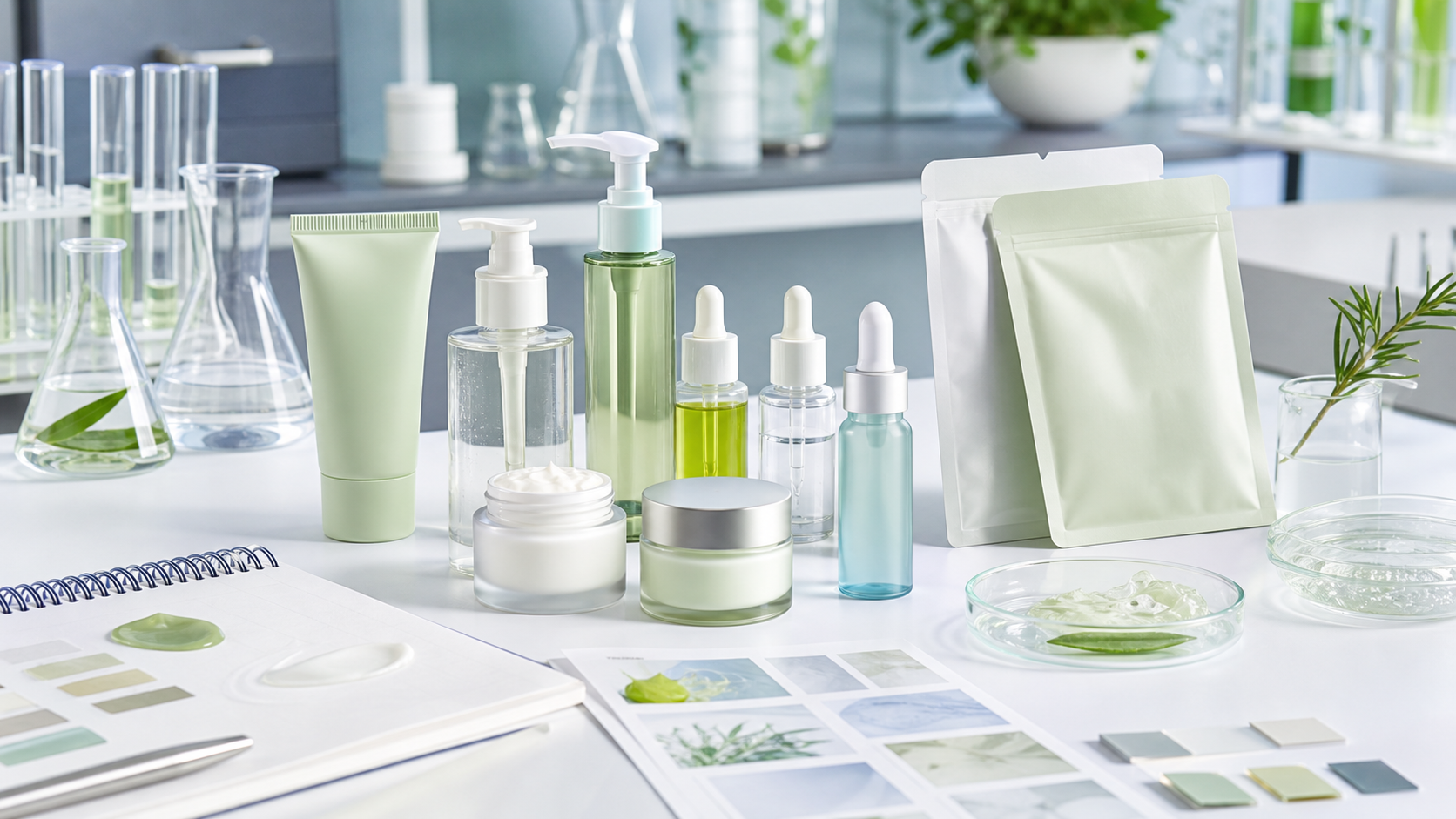
Buyers should think beyond the base formula. Pump bottles, tubes, caps, labels, cartons, and refill options can change cost and MOQ. Mooyam’s packaging sourcing support can help compare component choices and decoration methods before the brand commits to a production route.
Masks and Body Care as Expansion SKUs
Masks can support social content and sampling because the texture is visible and the usage scenario is clear. Clay masks, hydrating cream masks, sleeping masks, and soothing masks can each serve a different audience. The key is to define whether the product is a weekly ritual, a routine booster, a travel-friendly item, or part of a set.
Body care is also becoming more skincare-led. Body lotion, body wash, body scrub, and hand cream can expand a brand’s assortment when the buyer understands fill size, fragrance direction, carton cost, and shipping weight. These products may require different MOQ and packaging decisions than facial skincare.
Buyer Checklist Before Sampling a Trending Product
- Define the product’s main customer, sales channel, price range, and routine role.
- Choose whether the route is private label skincare, modified ODM, or full custom formulation.
- Prepare benchmark products and describe texture, fragrance, color, finish, and claims to avoid.
- Confirm MOQ, unit cost target, packaging sourcing options, carton needs, and decoration method.
- Ask what sample development, stability observation, packaging compatibility, and bulk production checks are appropriate.
- Review quality control expectations, retained samples, batch coding, and export support needs before placing a purchase order.
- Keep claim language cosmetic and market-appropriate; do not rely on unsupported medical or guaranteed-effect statements.
How to Turn Trend Interest into a Manufacturing Brief
A strong brief converts a trend into practical production information. It should include product type, target market, desired formula route, ingredient preferences, avoid list, benchmark samples, packaging direction, order quantity, artwork needs, and target launch timing. The more specific the brief, the easier it is for the factory to recommend suitable formulas and packaging options.
Mooyam Cosmetic’s quality control and compliance support helps buyers think through formula checks, packaging inspection, filling standards, retained samples, and documentation needs. Exact compliance requirements depend on the destination market, product category, label claims, and importer responsibility.
Common Mistakes to Avoid
Following a trend without a sales channel plan
A product for Amazon may need different packaging durability, image clarity, carton information, and reorder planning than a product for spa distribution or Shopify/DTC. Match the product to the channel before asking for a quotation.
Choosing packaging too late
Packaging affects unit cost, MOQ, lead time, filling method, leakage risk, and customer experience. Formula and packaging should be developed together, not treated as separate last-minute decisions.
Using claims that the formula or market cannot support
Trend language can become risky when it turns into medical, guaranteed, or regulatory claims. Keep product copy realistic and confirm target-market requirements with qualified support.
Develop Private Label Skincare with Mooyam Cosmetic
Looking for a reliable cosmetic OEM/ODM manufacturer for a trending skincare product? Mooyam Cosmetic can help with private label skincare, custom formulation, low MOQ planning, packaging sourcing, sample development, bulk production, quality control, and export support.
Send your product idea through the Mooyam Cosmetic contact page. We can review your formula direction, packaging options, MOQ, sample timeline, and private label manufacturing solution.
FAQ
What skincare products are good for private label brands?
Common options include moisturizers, serums, cleansers, masks, toners, body lotions, body washes, hand creams, and skincare sets. The best choice depends on your audience, sales channel, budget, MOQ, and launch timeline.
Is private label faster than custom formulation?
Usually yes. Private label uses more established formula routes, while custom formulation requires a more detailed brief, sample revisions, and additional review. Custom work is useful when differentiation is important.
Can I launch a low MOQ skincare trend product?
Low MOQ may be possible when the formula route and packaging are practical. Standard components and existing formula options usually make low MOQ planning easier than fully customized packaging and formulas.
How many products should a new brand launch first?
Many new brands start with one to three focused SKUs. A smaller launch can reduce inventory risk, simplify quality control, and help the brand learn from real buyer feedback before expanding.
Can Mooyam help with packaging sourcing?
Yes. Mooyam can help compare bottles, jars, tubes, pumps, labels, cartons, decoration methods, MOQ, and packaging compatibility for private label skincare and OEM/ODM projects.
Do trend products need special testing?
Testing needs depend on formula type, packaging, target market, claims, and buyer requirements. Common checks may include appearance, odor, viscosity, pH where relevant, microbial control, packaging compatibility, fill weight, and retained samples.
Does Mooyam Cosmetic accept retail orders?
No. Mooyam Cosmetic supports B2B beauty brands, private label buyers, distributors, Amazon/DTC sellers, and wholesale OEM/ODM projects. We do not accept retail single-unit orders.