
Hair conditioner looks simple to consumers, but it is a technical product for beauty brands. A conditioner must spread evenly, rinse cleanly, leave the right after-feel, work with the target hair type, stay stable in the selected package, and meet the buyer’s market and claim expectations. For overseas brands, the challenge is not only choosing a nice texture. It is building a product brief that a cosmetic OEM manufacturer can turn into samples and bulk production without confusion.
This guide explains how to create a hair conditioner with a cosmetic manufacturer, from formula direction and packaging to MOQ, sample approval, quality control, and export support. Mooyam Cosmetic supports B2B private label, OEM, and ODM projects for brands and wholesale buyers; we do not accept retail orders.
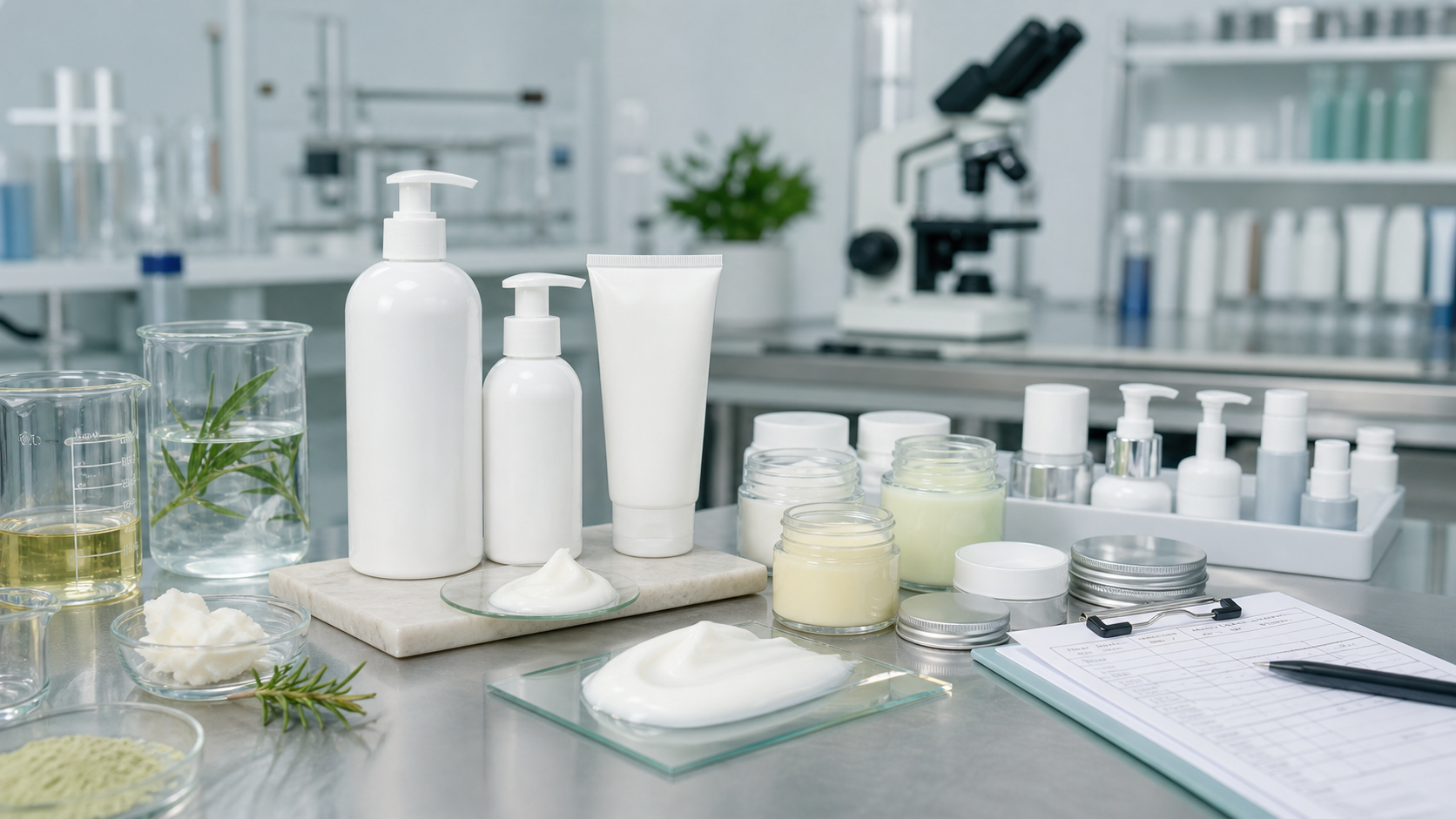
- A strong conditioner project starts with hair type, rinse-off feel, claim limits, fragrance direction, packaging, and target market.
- Stock private label formulas can help with speed and low MOQ, while custom formulation supports a more differentiated texture and ingredient story.
- Packaging choice affects viscosity, filling, user dosing, decoration MOQ, and leakage control.
- Before bulk production, buyers should approve formula samples, packaging samples, artwork, QC standards, and shipment requirements.
What a Hair Conditioner Manufacturer Needs to Know
A manufacturer cannot quote or sample a conditioner accurately from a product name alone. The factory needs to understand the buyer’s intended audience, sales channel, texture preference, positioning, and practical launch target. A conditioner for salon distributors may need a different viscosity, fragrance strength, and bottle size than a conditioner for a DTC starter set. A conditioner for dry-feel hair should not be developed the same way as a lightweight conditioner for frequent washing.
When working through OEM/ODM service, clarify whether you want a stock base, a modified formula, or a fully custom conditioner. Stock routes can support faster sample development and low MOQ planning. Custom formulation may help the brand build a stronger product story, but it usually needs more R&D time, more sample revisions, and tighter production confirmation.
Define the Product Positioning Before Ingredients
Many buyers start by asking for popular ingredients. That is useful, but formula positioning should come first. Is the conditioner designed for daily softness, frizz control, scalp-adjacent comfort, curl care, color-treated hair, dry ends, or a clean minimalist range? These directions affect conditioning agents, viscosity, fragrance, silicone or silicone-alternative choices, preservative system, and claim wording.
Claims should stay realistic and cosmetic. Avoid guarantee-style language and treatment promises unless your regulatory team has confirmed what is allowed in the target market. Requirements can vary by country, sales channel, ingredient list, and final label wording.
| Conditioner Direction | Common Buyer Goal | OEM/ODM Development Focus |
|---|---|---|
| Daily lightweight conditioner | Broad market, frequent use, easy rinse | Soft feel, low residue, stable viscosity, bottle or tube flow. |
| Rich repair-positioned conditioner | Dry-feel hair and premium sensory story | Creamy texture, slip, fragrance balance, claim control. |
| Curl or texture-care conditioner | Detangling and more cushion during use | Comb-through feel, conditioning system, package dosing. |
| Salon or distributor format | Professional or wholesale channel | Larger fill sizes, pump performance, carton strength, reorder planning. |
Private Label or Custom Formulation?
For first launches, private label skincare and hair care routes can reduce development pressure because the factory already has base formulas to review. The buyer can often adjust fragrance, packaging, label design, or texture within practical limits. This route is useful for brands that need a focused product line, sample approval speed, and controlled MOQ.
A custom conditioner is better when the brand wants a specific benchmark feel, ingredient story, or performance profile. In that case, the brief should include target texture, hair type, fragrance direction, ingredient preferences, avoid-list, package format, fill volume, market, and target cost. Mooyam Cosmetic can support custom formulation by translating this brief into sample routes, adjustment rounds, and production standards.
Packaging Choices for Conditioner
Conditioner packaging is not only a branding decision. Viscosity affects whether the product works better in a tube, flip-cap bottle, pump bottle, or jar. A thick formula may not dispense smoothly through a small pump. A lighter formula may leak from a poor cap. A premium salon bottle may look strong but increase component MOQ and carton weight.
Before approving artwork, ask the manufacturer to review formula and package compatibility. Buyers should also confirm decoration route, label material, cap color, carton style, and shipping carton strength. Mooyam Cosmetic can help compare packaging sourcing and customization options so the final component supports the formula, budget, and launch timing.
MOQ, Cost, and Sampling Timeline
Conditioner MOQ depends on formula batch size, packaging components, decoration method, and SKU count. If the same conditioner is sold in two sizes, each package may have separate MOQ. If the buyer wants a matching shampoo and conditioner set, the project may need coordinated packaging and artwork for both items. Low MOQ is possible in many projects, but it works best when packaging is practical and the formula route is clear.
Sample development usually includes an initial formula direction, buyer feedback, adjustments, and final sample approval. Custom formulation may require more rounds than a private label route. Buyers should give specific feedback on viscosity, slip, rinse feel, fragrance, color, opacity, and after-feel instead of saying only that the sample is good or not good.
| Stage | Buyer Provides | Factory Output |
|---|---|---|
| 1. Product brief | Hair type, market, claims, texture, package, MOQ target | Formula route, timing, initial cost and packaging suggestions. |
| 2. Lab samples | Feedback on slip, rinse, fragrance, viscosity, color and feel | Adjusted samples with version records and recommended standards. |
| 3. Packaging confirmation | Tube, bottle, pump, label, carton and artwork direction | Compatibility review, decoration route and packaging MOQ notes. |
| 4. Bulk production | Approved sample, artwork, order quantity and shipment plan | Production, filling, inspection, retained samples and export support. |
Quality Control for Conditioner Production
Quality control should cover both the formula and the package. For conditioner, typical checks may include appearance, odor, color, viscosity, pH where relevant, fill weight, package seal, cap fit, pump or flip-cap function, label placement, carton condition, and retained sample records. If the product will travel through long export routes, leakage and carton strength deserve extra attention.
Buyers should also ask what testing or documentation is appropriate for the product and target market. Requirements vary by formula, claims, importer role, and destination. Mooyam Cosmetic can support quality control and compliance planning, but final market-specific responsibility should be reviewed with the buyer’s regulatory team or importer.
Buyer Checklist Before Starting
- Define target hair type, sales channel, texture, fragrance, claims, and target market.
- Choose private label, modified formula, or custom formulation before requesting a quote.
- Confirm formula MOQ and packaging MOQ separately.
- Test sample viscosity, slip, rinse feel, after-feel, fragrance, and packaging flow.
- Approve final packaging, label material, artwork, carton, and export packing plan.
- Request QC checkpoints for formula appearance, fill weight, leakage, label placement, and retained samples.
- Keep claim language cosmetic and review target-market requirements before printing.
Planning a hair conditioner for your beauty brand or wholesale channel? Mooyam Cosmetic can help with private label options, custom formulation, low MOQ planning, packaging sourcing, sample development, bulk production, quality control, and export support. Contact us to discuss your conditioner OEM/ODM project.
FAQ
Can Mooyam Cosmetic develop a private label hair conditioner?
Yes. Mooyam Cosmetic can support B2B private label and OEM/ODM conditioner projects, including formula route, packaging, samples, MOQ planning, and QC.
What information should I prepare before asking for a quote?
Prepare hair type, texture preference, target market, packaging format, fill volume, claims, order quantity, launch timing, and target cost range.
Is custom formulation necessary for a conditioner?
Not always. Private label routes can work for many first launches, while custom formulation is useful when the brand needs a more specific texture or ingredient story.
Which packaging is best for conditioner?
It depends on viscosity, channel, fill size, and brand positioning. Tubes, bottles, pumps, and jars can all work when matched correctly to the formula.
Can conditioner be produced with low MOQ?
Low MOQ may be possible when the formula route and packaging choices are practical. Packaging MOQ can sometimes be higher than formula MOQ.
What should be checked before bulk production?
Check the approved sample, packaging compatibility, artwork, fill weight, leakage, cap or pump function, carton strength, and final QC standards.
Can the factory help with export support?
Yes. For B2B orders, Mooyam Cosmetic can support packing, documentation, and shipment coordination as part of an OEM/ODM project.