Skincare brand packaging is more than a container decision. For overseas beauty brands, Amazon sellers, DTC founders and distributors, the bottle, tube, jar, pump, carton and label shape how buyers understand price level, product purpose, shelf quality and reorder confidence before they ever try the formula.
In cosmetic OEM/ODM manufacturing, packaging must connect brand positioning with formula compatibility, low MOQ planning, packaging sourcing, sample development, bulk production, quality control and export support. This guide explains how to use packaging as a practical positioning tool while keeping the project realistic for a cosmetic OEM manufacturer or cosmetic ODM manufacturer. Mooyam Cosmetic supports B2B private label skincare and wholesale OEM/ODM projects only; we do not accept retail orders.
Quick Summary
- Packaging influences brand positioning by signaling price level, usage occasion, channel fit, product texture and visual trust.
- A premium-looking pack is not always the best choice if it creates high MOQ, long lead time, leakage risk or poor e-commerce durability.
- Beauty brands should align formula, container, decoration, label space, carton design, shipping method and target market requirements before approving samples.
- Mooyam Cosmetic can support OEM/ODM service, private label skincare, custom formulation, packaging sourcing, quality control and export planning for brand projects.
What Packaging Positioning Means for B2B Buyers
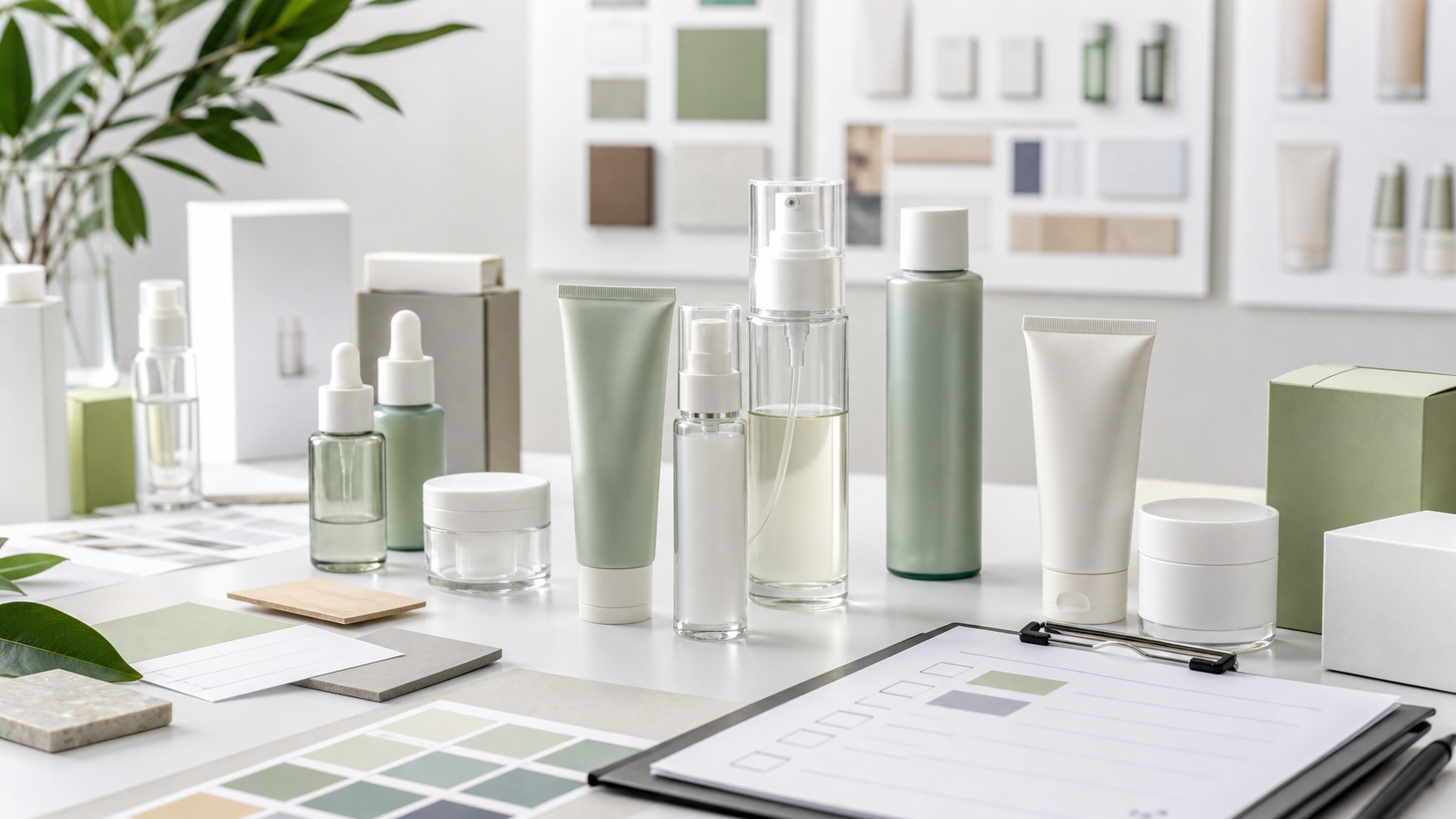
Packaging positioning means choosing components and decoration that match the brand promise, sales channel and customer expectation. A simple tube may support a practical daily cleanser. A frosted glass jar may support a premium cream. A lightweight airless pump may suit a modern DTC serum. A travel-size set may work for salons, spas, subscription boxes or distributor sampling.
The key is consistency. If the formula is positioned as accessible and everyday, heavy custom glass may push the cost structure too high. If the brand wants premium retail shelves, a thin label on a basic bottle may weaken the product story. Packaging should support the product strategy without making the manufacturing plan unstable.
Start With Channel and Price Positioning
Before choosing a component, define where the product will sell and what price band it must support. Amazon sellers may care about leakage prevention, carton strength, clear product identification and photo-friendly front labels. DTC brands may care about unboxing, refill strategy and repeat-purchase bundles. Distributors may need cartons, barcodes and case packing that work for multiple retailers.
The same private label skincare formula can feel entry-level, clean clinical, natural-inspired or premium depending on the packaging route. The container material, color, closure, decoration and outer carton should all point in the same commercial direction.
| Brand Position | Packaging Direction | Buyer Watchouts |
|---|---|---|
| Practical starter brand | Stock bottles, tubes or jars with clean label and efficient carton. | Avoid over-customization that raises MOQ before demand is proven. |
| Clinical or derm-style skincare | Airless pumps, white or translucent packs, controlled label layout and simple carton. | Avoid medical claims or unsupported compliance language; requirements vary by target market. |
| Premium DTC or boutique retail | Frosted glass, custom color, textured carton or higher-end decoration. | Check weight, breakage risk, lead time, component MOQ and shipping cost. |
| Salon, spa or distributor line | Consistent family look, clear SKU coding, cartons that support resale and reorder. | Confirm case packing, barcode needs, multilingual labels and export documents early. |
Match Packaging to Formula and Product Experience
Brand image should never be separated from formula function. A thin toner needs a suitable bottle, cap or mist pump. A thick cream may need a jar, tube or airless pump with the right dispensing force. A serum may require a dropper, pump or airless bottle depending on viscosity and ingredient sensitivity. A facial cleanser in a beautiful bottle can still fail if the pump clogs or the carton cannot handle e-commerce shipping.
For custom formulation projects, Mooyam Cosmetic recommends discussing packaging during formula development, not after the final texture is approved. Formula viscosity, pH range, fragrance, oils, powders, pigments and filling temperature can affect component choice. The factory should test the actual formula with the intended pack before bulk production.
Decoration Choices Shape Brand Perception
Decoration is often where buyers try to create uniqueness. Options may include labels, silk screen printing, hot stamping, matte coating, color matching, embossing, debossing, carton paper, inserts and set boxes. These choices affect cost and lead time, but they also tell the customer whether the brand is minimal, natural, clinical, luxury, playful or professional.
For many new brands, stock packaging with strong artwork is a better first move than a fully custom mold. It protects cash flow, supports low MOQ planning and allows the buyer to test market response before investing in custom tooling. Mature brands with repeat demand may justify custom molds, exclusive colors or more complex packaging systems.
Packaging, MOQ and Cost Must Stay Connected
Packaging MOQ is often different from formula MOQ. A cosmetic ODM manufacturer may offer a lower MOQ formula batch, but a special bottle color, printed cap, carton material or custom mold may require a larger component purchase. Buyers should request MOQ and lead time for every packaging element, including bottle, cap, pump, carton, label and decoration process.
Cost is not only unit price. Glass may raise freight and breakage risk. Oversized cartons may increase shipping volume. Heavy caps may feel premium but reduce margin. Minimal packaging may be economical but can weaken retail presentation. Good packaging positioning balances commercial impression with production reliability.
How Packaging Supports Private Label Differentiation
Private label skincare does not have to look generic. A brand can differentiate through product family structure, color system, carton language, label hierarchy, kit design and packaging consistency. The formula route may start from a stock or modified base, while packaging creates a clearer brand world for the buyer.
For brands that need more differentiation, custom formulation and packaging sourcing can be planned together. The brand may define a unique texture, scent direction, dispensing experience, refill model or travel-friendly set. Each customization should have a business reason, not just decoration for its own sake.
Buyer Checklist Before Approving Packaging Positioning
- Define target market, sales channel, price band and brand personality before choosing components.
- Compare stock, semi-custom and custom mold routes against budget, MOQ and launch timeline.
- Confirm whether the chosen packaging fits the formula viscosity, filling method and stability plan.
- Ask for physical component samples, decorated samples and formula-filled samples before mass production.
- Check leakage, pump function, cap torque, label adhesion, carton strength and shipping protection.
- Review claim wording, ingredient list, net content, responsible company information and destination-market label needs before printing.
- Keep approved standards for color, decoration, carton, fill weight and finished appearance.
- Discuss export support, reorder lead time and packaging inventory before the first production run.
How Mooyam Cosmetic Supports Packaging Strategy
Mooyam Cosmetic helps overseas buyers connect cosmetic OEM/ODM service decisions with packaging, formula and production planning. Brands that want faster launch options can review private label skincare, while projects that need a unique texture or dispensing experience can discuss custom formulation.
Our team can help with customized packaging sourcing, component comparison, decoration options, sample development and bulk production planning. Before approval, buyers can review quality control and compliance support so packaging function, label content and inspection standards are handled early.
FAQ
Does packaging really affect skincare brand positioning?
Yes. Packaging influences how buyers understand price, quality, use occasion, channel fit and product personality. It should support the formula and sales model.
What packaging route is best for a new skincare brand?
Many new brands start with stock or semi-custom packaging because it can reduce MOQ, lead time and tooling risk while still allowing custom artwork.
Can private label skincare look premium?
Yes. A private label formula can be positioned more strongly through suitable component choice, decoration, carton design, product family structure and clear label hierarchy.
Should I choose packaging before or after formula samples?
Packaging direction can start early, but final approval should use formula-filled samples because viscosity, fragrance, oils and filling behavior can affect compatibility.
How does packaging affect MOQ?
Special colors, custom molds, printed caps, labels and cartons may each have their own MOQ. Buyers should ask for component-level MOQ before confirming a launch plan.
Can Mooyam help with both formula and packaging?
Yes. Mooyam can coordinate formula route, packaging sourcing, sample development, production planning, quality control and export support for B2B OEM/ODM projects.
Do packaging claims need local review?
Yes. Label and claim requirements vary by target market. Brands should avoid medical claims, guaranteed results or unsupported certifications.
Does Mooyam accept retail orders?
No. Mooyam Cosmetic supports B2B beauty brands, private label buyers, distributors and wholesale OEM/ODM projects only.
Plan Skincare Packaging With Mooyam
Looking for a reliable cosmetic OEM/ODM manufacturer for packaging positioning, sample development and production? Contact Mooyam Cosmetic to discuss your formula, packaging options, MOQ, quality control and export support.