
A post-sun skincare product is designed to support the skin care routine after outdoor exposure, usually with a cooling texture, hydration story, and comfort-focused cosmetic positioning. To develop one successfully, a beauty brand should define the formula route, packaging, sample development plan, quality control checks, and target-market claim limits before mass production.
For overseas B2B buyers, post-sun skincare is not the same as sunscreen and should not be promoted as treating sunburn, repairing UV damage, or replacing SPF. It is a cosmetic product category that needs practical formulation, clear usage language, reliable packaging sourcing, and export support.
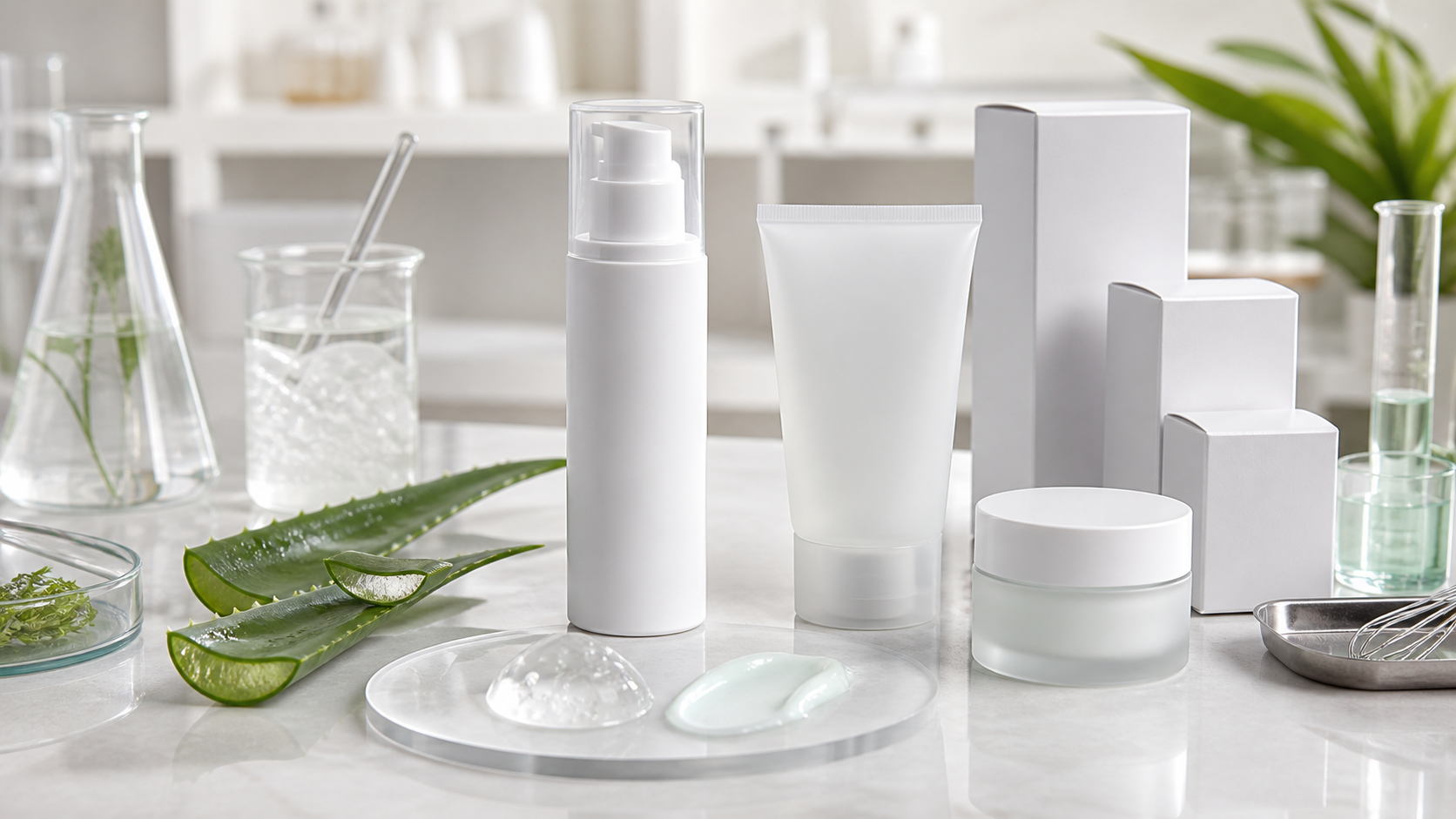
Quick Summary
- A post-sun skincare product usually focuses on hydration, cooling feel, lightweight texture, and routine comfort after sun exposure.
- A cosmetic OEM manufacturer or cosmetic ODM manufacturer can help compare private label skincare bases, custom formulation needs, packaging options, samples, production, QC, and export planning.
- The safest product brief avoids medical or SPF-style claims and keeps wording within cosmetic scope.
- Compliance, labeling, ingredient restrictions, and claim requirements vary by target market, so final review should happen before artwork approval.
What a Post-Sun Skincare Product Means
A post-sun skincare product is a leave-on or rinse-off cosmetic used after time outdoors. Common formats include cooling gel, lightweight lotion, soothing body cream, facial mist, sheet mask, body mist, or travel-size routine set. The commercial idea is simple: customers often want a product that feels refreshing, hydrating, and easy to apply after beach, holiday, sport, pool, or summer travel activity.
For manufacturing, the category requires more discipline than a seasonal label. A buyer needs to decide whether the product will use an existing private label skincare formula, a modified stock base, or a deeper custom formulation route. This decision affects ingredient selection, sample rounds, stability observation, packaging compatibility, MOQ, and production timing.
Mooyam Cosmetic supports post-sun product projects through OEM/ODM cosmetic manufacturing service for overseas beauty brands, Amazon sellers, Shopify/DTC brands, distributors, salon and spa buyers, and private label purchasing teams.
Choose the Right Product Format
The best format depends on sales channel, target customer, unit price, climate, and packaging expectations. A DTC brand may want a cooling facial gel with a strong texture story. A distributor may prefer a body lotion or gel cream that fits broad retail demand. A hotel, travel, or resort buyer may prefer mini-size tubes or sachets for seasonal programs.
| Format | Best Buyer Use Case | Manufacturing Watchpoint |
|---|---|---|
| Cooling gel | Summer skincare, travel retail, beach and outdoor lifestyle brands. | Viscosity, clarity, tackiness, fragrance level, tube or jar compatibility. |
| Lightweight lotion | Body care line extensions, distributors, salon/spa retail programs. | Emulsion stability, spreadability, pump performance, fill weight control. |
| Facial mist | DTC refresh products, gym or travel kits, mini promotional SKUs. | Spray pattern, leakage, preservative system, bottle seal, label space. |
| Sheet mask or gel mask | After-sun routine bundles, sampling, gift sets, social-commerce packs. | Serum load, pouch seal, mask material, pack-out inspection, export carton strength. |
| Mini-size set | Amazon bundles, hotel amenities, holiday or travel promotions. | Component MOQ, artwork deadlines, set assembly accuracy, shipping durability. |
Build the Formula Brief Around Cosmetic Comfort
Texture and Sensory Direction
Post-sun skincare should feel easy to use when customers want comfort, not a heavy or sticky layer. Buyers can request a gel, gel-cream, lotion, mist, or mask texture and define whether the finish should be quick-absorbing, dewy, light, fragrance-free, or gently scented. The formula brief should also state whether the product is for face, body, or both, because viscosity, sensory feel, packaging, and claim language may differ.
Ingredient Story
Common cosmetic directions may include humectants, light emollients, aloe-inspired botanicals, panthenol, glycerin, beta-glucan, sodium hyaluronate, allantoin, botanical waters, or barrier-supporting ingredients depending on formula type and target market. The ingredient story should support the sensory experience without implying treatment of burns, inflammation, or medical conditions.
Claim Boundaries
Safe cosmetic positioning may discuss hydration, refreshing feel, cooling sensation, comfort after outdoor exposure, lightweight body care, or soft-feeling skin. Avoid wording that promises to heal sunburn, repair UV damage, reverse photoaging, reduce inflammation, replace sunscreen, or guarantee regulatory approval. Requirements vary by target market, so brands should review claims and labels before printing cartons.
Packaging Sourcing for Post-Sun Products
Packaging should match the formula and the use occasion. A cooling gel may work well in a tube or jar, but a jar can increase contamination risk if customers use it at the beach. A lotion may need a pump bottle for larger body sizes. A mist needs a sprayer that produces a consistent spray pattern without leaking during shipping. Mini-size sets need components that can be filled, labeled, boxed, and inspected efficiently.
Early packaging sourcing and customization review helps buyers compare tubes, pumps, jars, mist bottles, sachets, cartons, labels, sleeves, and travel sets before artwork lock. Standard packaging can support a faster launch, while custom color, special decoration, or gift packaging may add lead time and MOQ pressure.
Post-Sun Product Buyer Checklist
- Define the product format: cooling gel, lotion, mist, mask, body cream, or mini-size set.
- State whether the product is for face, body, after-beach routines, travel, spa retail, or DTC bundles.
- Choose private label skincare, modified formula, or custom formulation based on timing and differentiation needs.
- Prepare benchmark textures and explain what should feel lighter, cooler, richer, less sticky, or more premium.
- Share target markets, claim language, ingredient restrictions, label needs, and any marketplace or retailer rules.
- Review packaging compatibility, dispensing, leakage, carton durability, decoration method, MOQ, and unit cost.
- Plan sample development time for texture feedback, fragrance review, stability observation, packaging fit, and final approval.
- Confirm mass production lead time, quality control standards, retained samples, packing method, and export support.
Sample Development and Production Workflow
A practical workflow starts with a product brief. The buyer shares target customer, sales channel, formula format, texture references, ingredient preferences, packaging direction, target unit cost, order quantity, destination market, and launch date. The factory then recommends whether an ODM stock base, modified base, or custom development path is realistic.
During sample development, review more than first impression. Check skin feel after several minutes, fragrance strength, viscosity, color, clarity, tackiness, pump or sprayer behavior, tube squeeze, label area, and carton fit. If the formula will ship to hot climates, discuss suitable stability observations and packaging compatibility checks before committing to mass production.
Once the sample and packaging are approved, the cosmetic OEM manufacturer can prepare production specifications, artwork confirmation, filling plan, batch controls, inspection standards, packing details, and export communication. The buyer should keep a retained approved sample and avoid changing formula, fragrance, packaging, or claims after production approval unless a new review is completed.
Quality Control and Compliance Considerations
Quality control for post-sun skincare should cover appearance, odor, color, viscosity, pH when relevant, fill weight, microbial control, packaging function, leakage, label position, carton condition, and finished-goods consistency. For masks and mini sets, inspection should also check pack count, pouch seal, set assembly, barcode placement, and outer carton strength.
Mooyam’s quality control and compliance support helps buyers discuss practical factory checks, documentation expectations, and claim-risk boundaries. However, final compliance depends on product type, ingredients, claims, label language, sales channel, importer responsibility, and destination market rules. A responsible manufacturer can support the project, but should not promise universal approval.
Common Mistakes to Avoid
One common mistake is treating a post-sun product like a medical aftercare item. That can create claim risk and confuse the formula brief. Keep the product within cosmetic comfort, hydration, cooling feel, and routine language unless qualified local review supports a different claim path.
Another mistake is choosing packaging too late. Post-sun textures often depend on dispensing behavior: gels can be too thick for some pumps, lotions may leak through weak caps, mists may spray unevenly, and masks need reliable pouch sealing. Packaging decisions should happen alongside formula sampling, not after the formula is already approved.
Brands should also avoid launching too many seasonal SKUs. A focused hero product, a body-care companion, or a two-to-three-piece travel set is usually easier to sample, photograph, inspect, ship, and reorder than a broad summer collection with unclear differences between products.
Develop a Post-Sun Skincare Product with Mooyam Cosmetic
Looking for a reliable cosmetic OEM/ODM manufacturer in China? Contact us to discuss your product idea, formula requirements, packaging options, MOQ, sample development, and production plan.
Send your post-sun skincare brief through the Mooyam Cosmetic contact page. Our team can help review your private label skincare route, custom formulation needs, packaging sourcing plan, sample development process, mass production timeline, quality control expectations, and export support.
FAQ
Is a post-sun skincare product the same as sunscreen?
No. Sunscreen is designed around UV protection and may face specific regulatory requirements depending on the target market. A post-sun skincare product is usually positioned for cosmetic hydration, refreshing feel, and routine comfort after outdoor exposure.
What is the best format for a post-sun skincare launch?
There is no single best format. Cooling gels, lightweight lotions, facial mists, sheet masks, body creams, and mini-size sets can all work if they match the brand’s channel, target customer, packaging, MOQ, and claim strategy.
Can a private label formula be used for post-sun skincare?
Yes. A private label skincare route can be practical for faster launches, especially when the brand needs a proven base and standard packaging. Buyers still need sample approval, packaging checks, label review, and destination-market compliance review.
When should a brand choose custom formulation?
Custom formulation is better when the brand needs a distinctive texture, ingredient story, fragrance-free direction, special sensory profile, or format that cannot be met by an existing base. It normally requires a clearer brief and more sample development time.
What claims should post-sun skincare avoid?
Brands should avoid medical claims such as healing sunburn, repairing UV damage, treating inflammation, or replacing sunscreen. Cosmetic wording should focus on hydration, cooling feel, refreshing use, and skin comfort, subject to target-market review.
What packaging is suitable for post-sun products?
Tubes, pump bottles, mist bottles, jars, pouches, and mini-size components can all be suitable. The decision should consider formula viscosity, dispensing, leakage, contamination control, decoration, unit cost, MOQ, and shipping durability.
Does Mooyam Cosmetic support export for post-sun skincare projects?
Yes. Mooyam can support overseas B2B buyers with production communication, packing details, carton information, documentation discussion, and export coordination, while the buyer or importer confirms local import and selling requirements.