
Your Premium Sunscreen Cream/Spray Partner
Private label sunscreen cream and spray manufacturing for SPF, PA, waterproof, lightweight and body sun care concepts, from formula planning to packaging and OEM/ODM production.
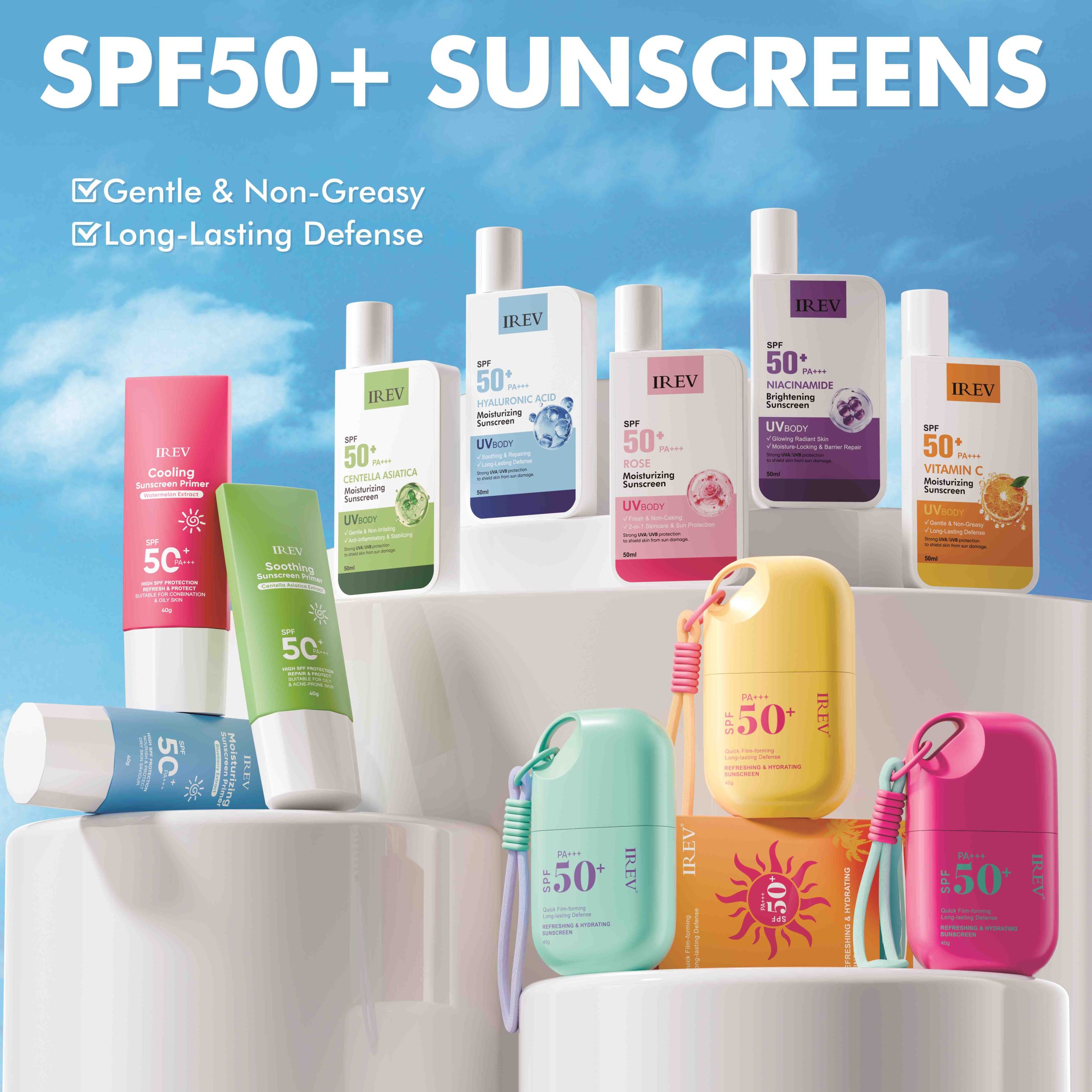
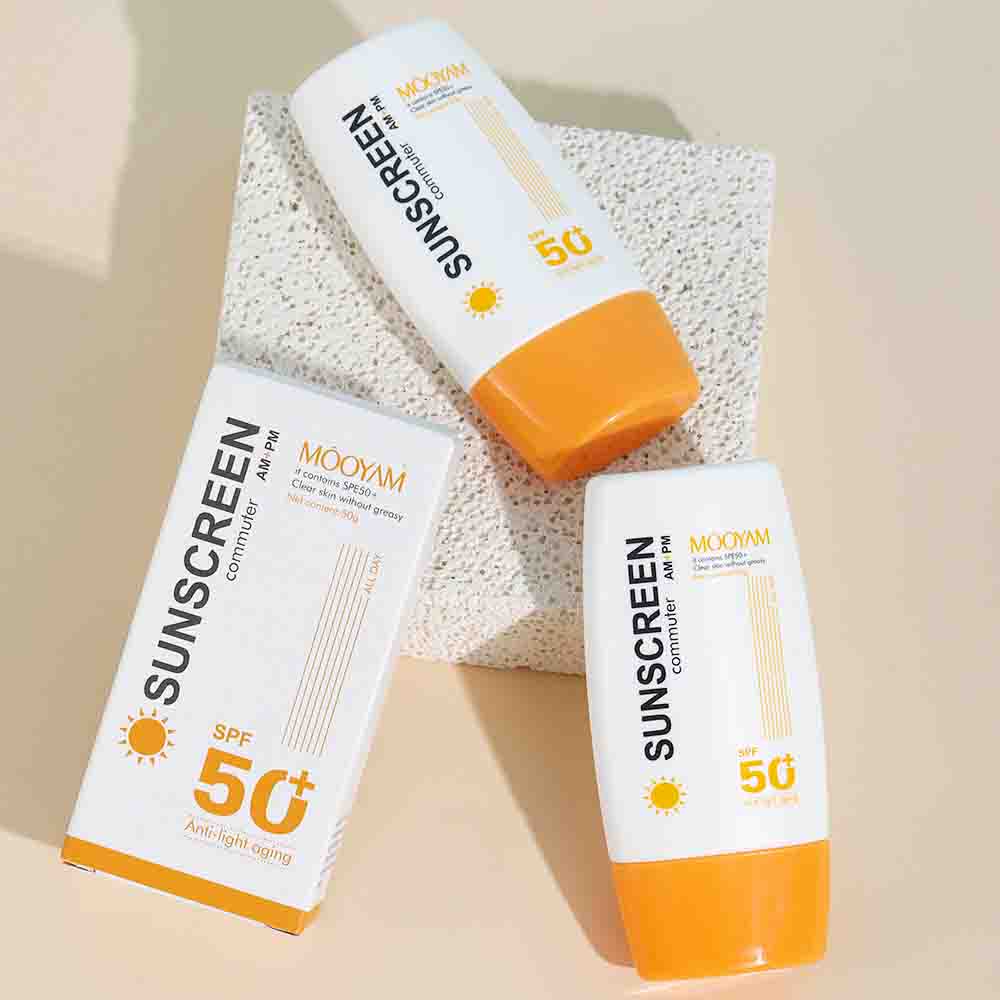
MOOYAM supports private label sunscreen cream and spray projects for brands that need custom SPF concept, texture, skin feel, fragrance, packaging and bulk production support. Sunscreen formats can include cream, emulsion, gel, spray, lotion and powder-style sun care concepts.
Our team helps B2B buyers review formula direction, sample feedback, packaging compatibility, MOQ planning and production requirements before moving into bulk OEM/ODM manufacturing. Sun care claims and test requirements should be reviewed according to your destination market regulations.
Sunscreen Cream/Spray Manufacturing Details for B2B Buyers
MOQ by Sunscreen Format and Packaging
MOQ can vary by sunscreen cream, lotion, gel, spray or powder concept, as well as formula complexity, SPF positioning, packaging style, printing method and order quantity. MOOYAM reviews your product concept before confirming the suitable production route.
Sample Review and Lead Time
The usual process includes formula direction confirmation, lab sample preparation, texture and skin feel review, packaging compatibility check, feedback adjustment and sample approval. Bulk production lead time is confirmed after formula, packaging, artwork and quantity are finalized.
Formula, SPF Concept and Packaging Options
You can use your own formula, choose from mature base formulas or request custom development. Packaging options may include tubes, bottles, pumps, spray bottles, sachets, labels, boxes and custom outer packaging.
QC and Export Support
Quality control can include raw material review, pH, viscosity, appearance and odor checks, microbial testing where required, filling inspection, packaging appearance review and finished goods checking. Export support can include COA, MSDS, ingredient list, packing list and commercial invoice when required.
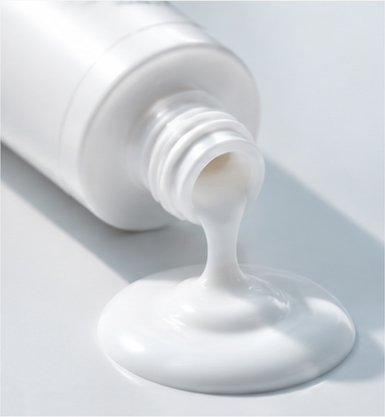
Emulsion
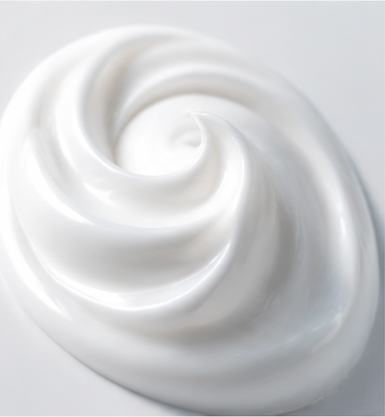
Frosty
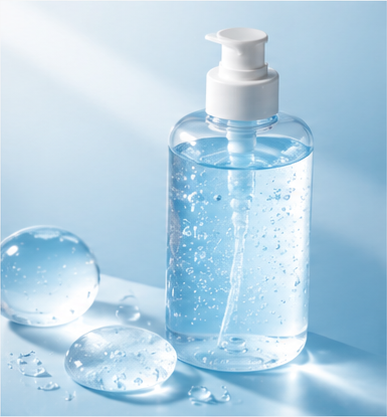
Gel
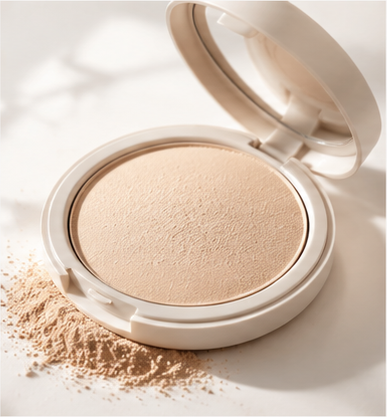
Powder
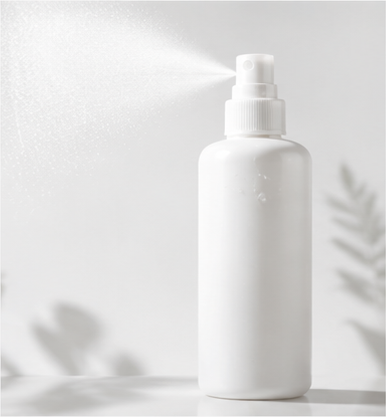
Spray
Once the Formula Is Selected, Our One-Stop Service Takes Over
Once your sunscreen formula direction is confirmed, MOOYAM can support lab sample preparation, texture and skin feel adjustment, spray or bottle matching, label or box planning, production scheduling, filling inspection and export document preparation. Lead time is confirmed after formula, packaging, artwork and quantity are finalized.
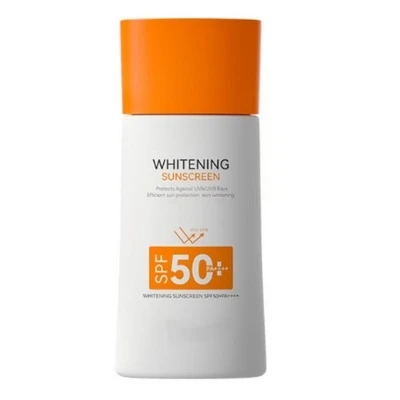
Whitening Sunscreen
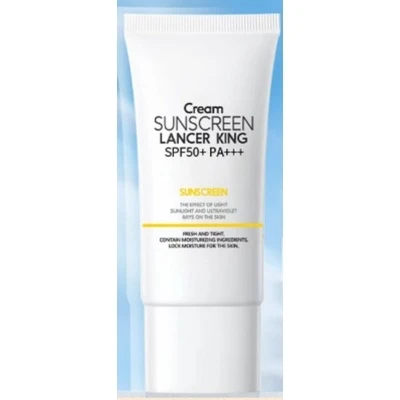
SPF50 Sunscreen Lotion
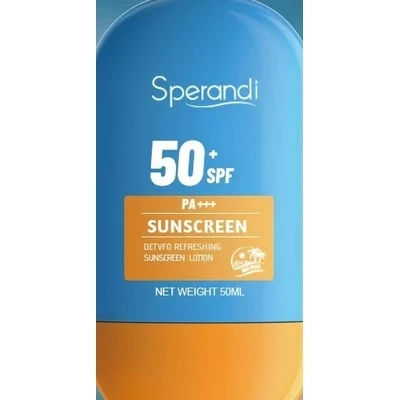
Sweatproof 50 SPF Sunscreen
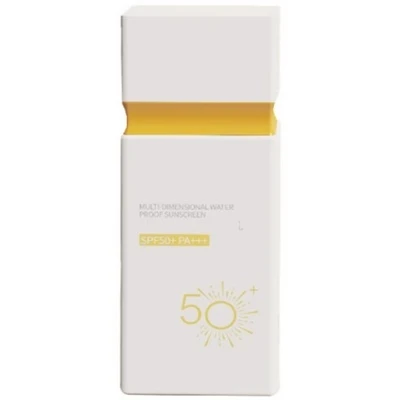
Waterproof Sunscreen
About MOOYAM
Founded in 2022, MOOYAM specializes in one-stop OEM/ODM skincare solutions, providing safe, effective, and high-performance skincare products for global brands.
Backed by over 20 years of R&D expertise, 30+ patented technologies, and a 92% efficacy verification pass rate, MOOYAM operates a 30,000㎡ smart factory certified by U.S. GMPC and EU ISO standards. With support from an experienced technical team, we serve partners in more than 180 countries and regions worldwide.
As a certified Guangdong High-Tech Enterprise, MOOYAM is committed to delivering safe, effective, and reliable skincare solutions tailored to your brand’s needs.
The Difference Between Sunscreen Cream And Sunscreen Spray
Sunscreen cream and sunscreen spray are common sun-care formats. Sunscreen cream is usually richer and easier to spread evenly on the face and body. Sunscreen spray is convenient for outdoor use, reapplication, and large-area body protection. Both formats can be developed for different SPF, PA, skin feel, waterproof, sweatproof, whitening, moisturizing, and sensitive-skin positioning.
The Difference in SPF Values
SPF15-20 can block approximately 93% of UVB and is suitable for daily commuting or weak sunlight. SPF20-30 can block approximately 97% of UVB and is suitable for general outdoor activities. SPF50+ can block approximately 98% of UVB and is suitable for long-term outdoor activities such as beaches, mountain climbing, high-altitude areas, or strong ultraviolet environments.
The Difference in PA Values
PA value mainly targets UVA. UVA can penetrate through glass and reach deep into the dermis, causing skin aging, wrinkles, long-term damage, and other concerns. PA+ is suitable for short-term use, PA++ is suitable for short-term outdoor activities, PA+++ is suitable for daily commuting, and PA++++ is suitable for outings, seaside, high altitude, and other high-exposure scenarios.
The Ingredients Chosen for Sunscreen
1. Chemical component sunscreen
The main chemical components of suncream include Octinoxate, Avobenzone, Silica, etc. These components can absorb ultraviolet rays and convert them into harmless heat release. Some chemical components may cause skin sensitivity in some people, especially those with sensitive skin.
2. Physical sunscreen
It mainly contains inorganic sunscreens, such as Titanium Dioxide and Zinc Oxide. These ingredients can reflect ultraviolet rays and cause less irritation to the skin.
3. Sunscreen with natural ingredients
Natural ingredient sunscreen combines natural plant extracts with effective sun protection technology. Ingredients such as Centella Asiatica, Green Tea Extract and Chamomile Extract can provide sun protection while soothing the skin and helping reduce inflammation caused by ultraviolet rays.
4. Mineral ingredient sunscreen
Mineral ingredient sunscreens mainly contain natural mineral components such as Talc and Mica. These ingredients can reflect ultraviolet rays and offer a concealing effect. They are suitable for sensitive skin and children.
5. Bio-component sunscreen
Bio-component sunscreens mainly contain bioactive ingredients, such as Hyaluronic Acid, Collagen, Algae Extract, etc. These ingredients provide sun protection while also moisturizing and repairing the skin.
The Correct Way to Use Sunscreen
The most important thing is to use enough: about 0.7 to 0.9 grams for the whole face. A 30-gram pack is only enough for about one and a half months. In addition, a hat, sunglasses and an umbrella are also important for physical defense. For daily use, choose SPF30 for lightness and no burden. When exposed to intense sunlight, SPF50 provides stronger protection. Sun protection is not only for whitening, but also for blocking ultraviolet rays and anti-skin aging.
YUNMEI also offers customization services, which can customize sunscreens suitable for different skin types and usage scenarios according to your needs. Whether it is daily commuting or outdoor activities, we can provide suitable sun protection solutions.
What Should Be Noted When Customizing Sunscreen?
Yunmei Cosmetics is a one-stop OEM/ODM service provider for cosmetics. When developing personalized customized sunscreens for customers, we particularly need to pay attention to the compliance, safety and targeting of the formula.
Sunscreen FDA Regulations (Such as US Market)
Sunscreen products are classified as over-the-counter (OTC) drugs in the United States and are strictly regulated by the FDA. Enterprises that produce sunscreen must register with the FDA and list their products through the NDC system. Active ingredients must be compliant, and production must comply with cGMP requirements.
Scientifically Classify the Sun Protection Factor Grades
SPF15-20 is suitable for daily commutes and indoor activities. SPF20-30 is suitable for general outdoor activities. SPF50+ is suitable for long-term outdoor activities and strong ultraviolet environments.
Provide Broad-Spectrum Protective Sunscreen
Comprehensive sun protection should guard against both UVB and UVA. The product must provide protection across both bands, and formula development should consider suitable combinations such as zinc oxide and avobenzone.
The Selection And Proportion Of Active Ingredients In Sunscreen
This is the core technical link of private customized sunscreen, directly related to safety, effectiveness and user experience. Chemical sunscreens are light and natural; physical sunscreens are gentle and stable.
Sunscreen Production Process And Stability Test
The dispersion process is especially important for formulas containing physical sunscreens. Stability tests, including accelerated and long-term tests, help ensure SPF, PA, broad-spectrum performance, pH, microbial indicators, color and odor meet requirements.
Transparent And Clear Labels On Sunscreen And Consumer Education
Labels should clearly state all ingredients, active ingredient content, correct usage, dosage, reapplication frequency, and water-resistance claims. Accurate labeling helps consumers use the product correctly and safely.
Considering a private label Skin care brand?
Get started with these 10 must-ask OEM/ODM questions every entrepreneur needs to know.
Are there factories and laboratories that can be visited?
Of course, we support factory inspections.
Do you support exclusive formulation research and development with confidentiality agreements?
Yes, we have a professional R&D team and abide by business secrets.
How to evaluate the R&D strength of OEMs?
Check whether the laboratory configuration has an independent laboratory and professional testing equipment.
How long does it take to develop and produce a custom skincare product?
ODM usually takes 4-8 weeks using existing formulas. OEM generally takes 3-6 months, including R&D, testing and production. Ingredient sourcing, stability testing and packaging lead time can affect the timeline.
Can customize the packaging with my brand logo?
Yes. Label printing, custom bottle shapes, eco-friendly packaging options, glass, PCR plastic, tubes, cartons and gift boxes can be matched to your brand.
Can request samples before bulk production?
Yes, samples are recommended before confirming bulk production.
What is the minimum order quantity (MOQ) for private label skincare?
Typically 1,000-5,000 units per product, depending on formula, packaging and customization requirements.
What is the specific OEM cooperation model?
Under the OEM model, the brand provides product formula, production process and packaging design requirements, and the OEM factory produces according to these requirements.