
Private Label Face Care Manufacturer
Your Premium Face Serum Partner
Private label face serum manufacturing for hydrating, brightening, soothing, anti-aging and acne care concepts, from custom formula to packaging and OEM/ODM production.
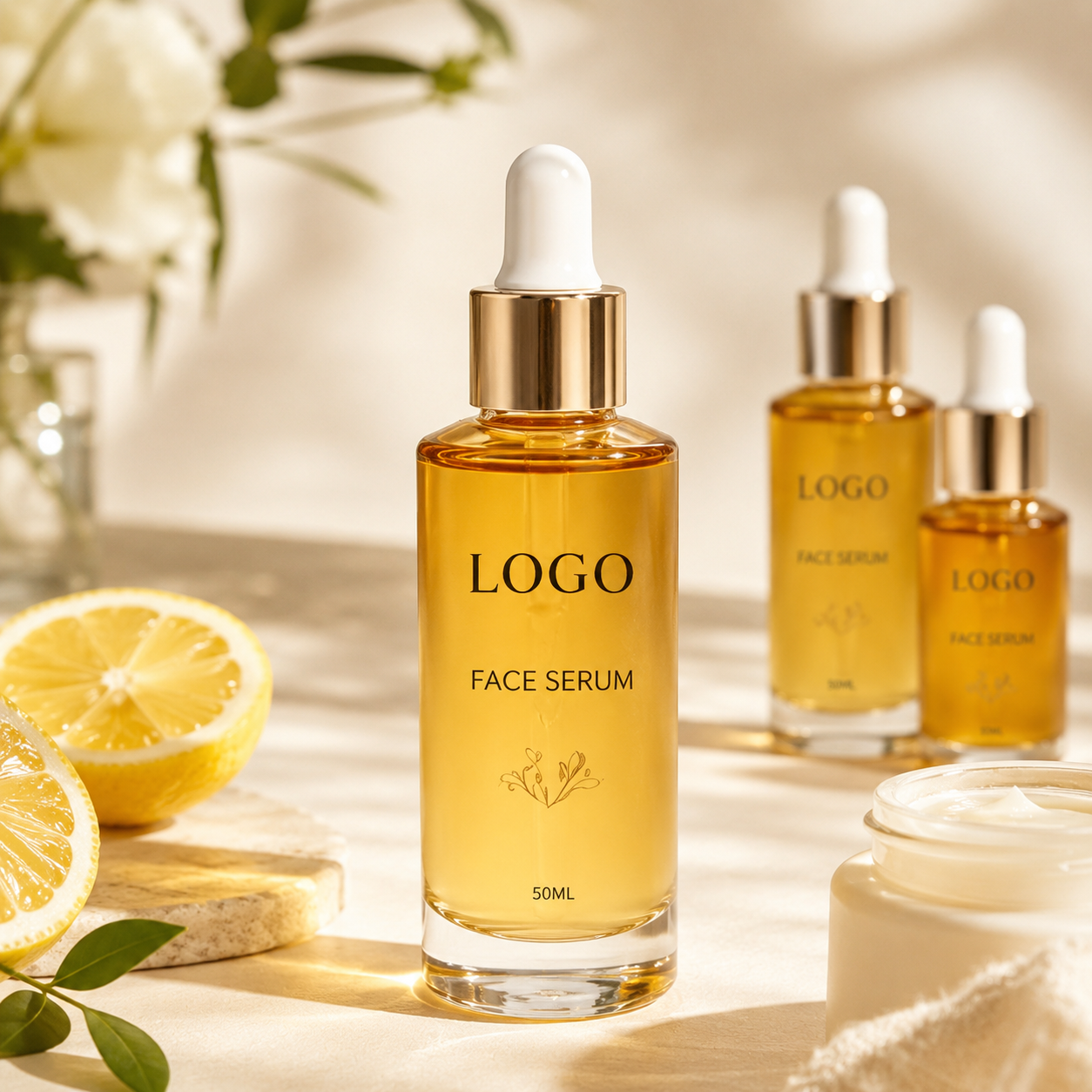
OEM/ODM Facial Serum: Where Professionalism Meets Unique Formulations
MOOYAM supports private label face serum projects for brands that need custom texture, active ingredient direction, skin feel, packaging and bulk production support. Serum formats can include gel serum, emulsion serum, oil-based serum, essence lotion and lightweight concentrated treatments.
Our team helps B2B buyers review formula direction, sample feedback, packaging compatibility, MOQ planning and production requirements before moving into bulk OEM/ODM manufacturing.
Face Serum Manufacturing Details for B2B Buyers
MOQ by Serum Formula and Packaging
MOQ can vary by serum texture, active ingredient system, fragrance requirement, bottle or dropper style, printing method and order quantity. MOOYAM reviews your product concept and launch plan before confirming the suitable production route.
Sample Review and Lead Time
The usual process includes formula direction confirmation, lab sample preparation, texture and skin feel review, packaging compatibility check, feedback adjustment and sample approval. Bulk production lead time is confirmed after formula, packaging, artwork and quantity are finalized.
Formula, Texture and Packaging Options
You can use your own formula, choose from mature base formulas or request custom development. Packaging options may include dropper bottles, pump bottles, ampoules, tubes, labels, boxes and custom outer packaging.
QC and Export Support
Quality control can include raw material review, appearance and viscosity checks, microbial testing where required, filling inspection, packaging appearance review and finished goods checking. Export support can include COA, MSDS, ingredient list, packing list and commercial invoice when required.
Face Serum Textures
Choose the texture, active ingredients, skin feel and claim direction that best match your target market.
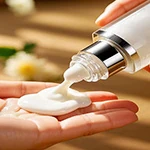
Cream Serum
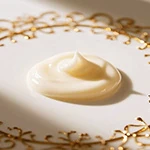
Emulsion Serum
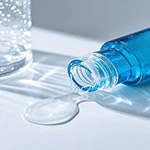
Gel serum
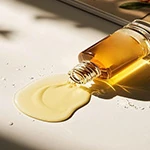
Oil-Based Serum
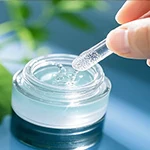
Serum
Once the Formula's Chosen, We've Got the Rest Covered!
Once your formula direction is confirmed, MOOYAM can support lab sample preparation, texture and fragrance adjustment, packaging matching, label or box planning, production scheduling, filling inspection and export document preparation. Lead time is confirmed after formula, packaging, artwork and quantity are finalized.
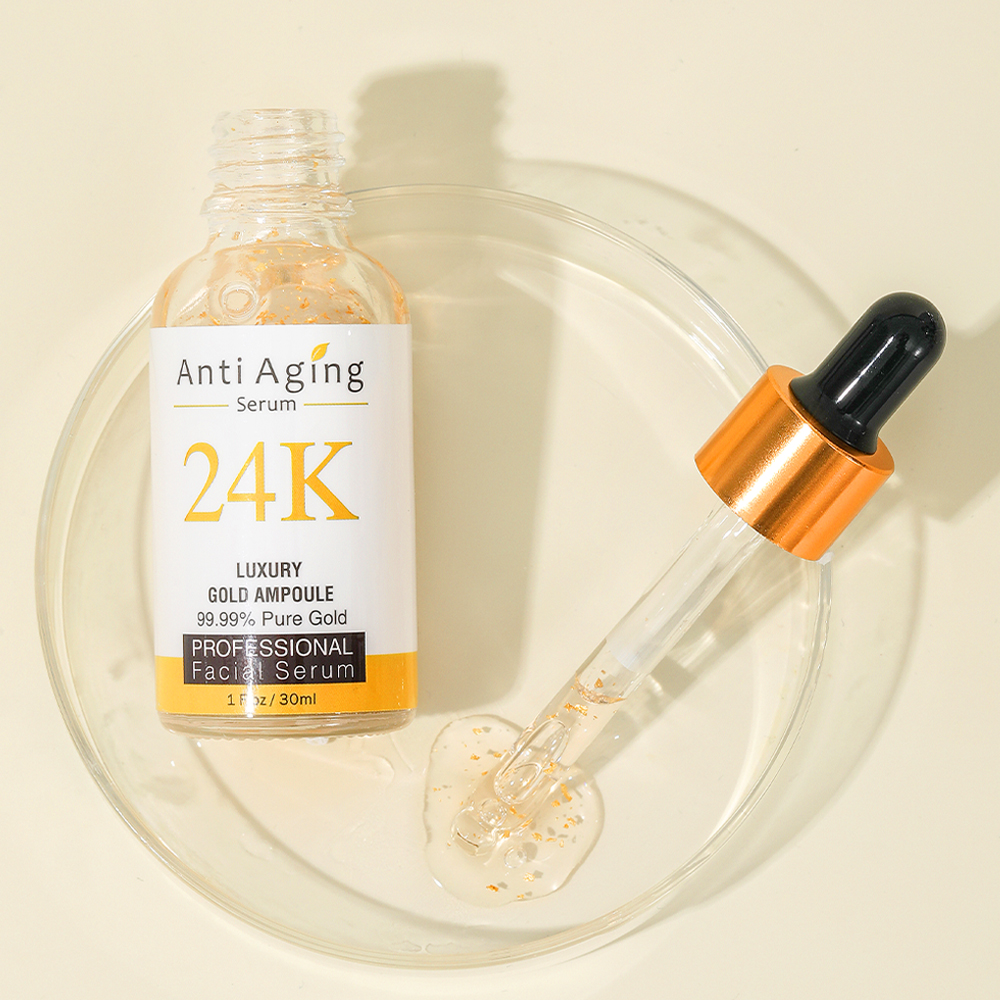
24k Facial Essential Oil
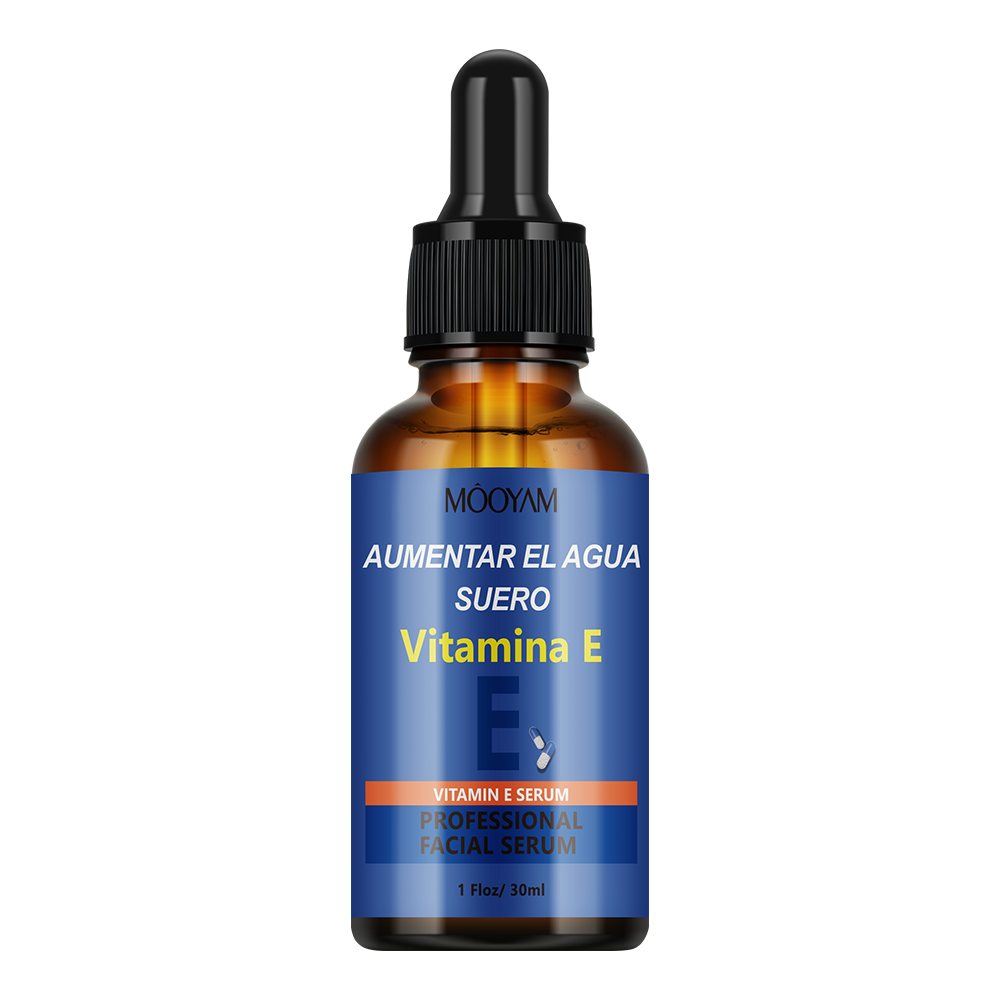
Anti Aging Anti Spot Cream
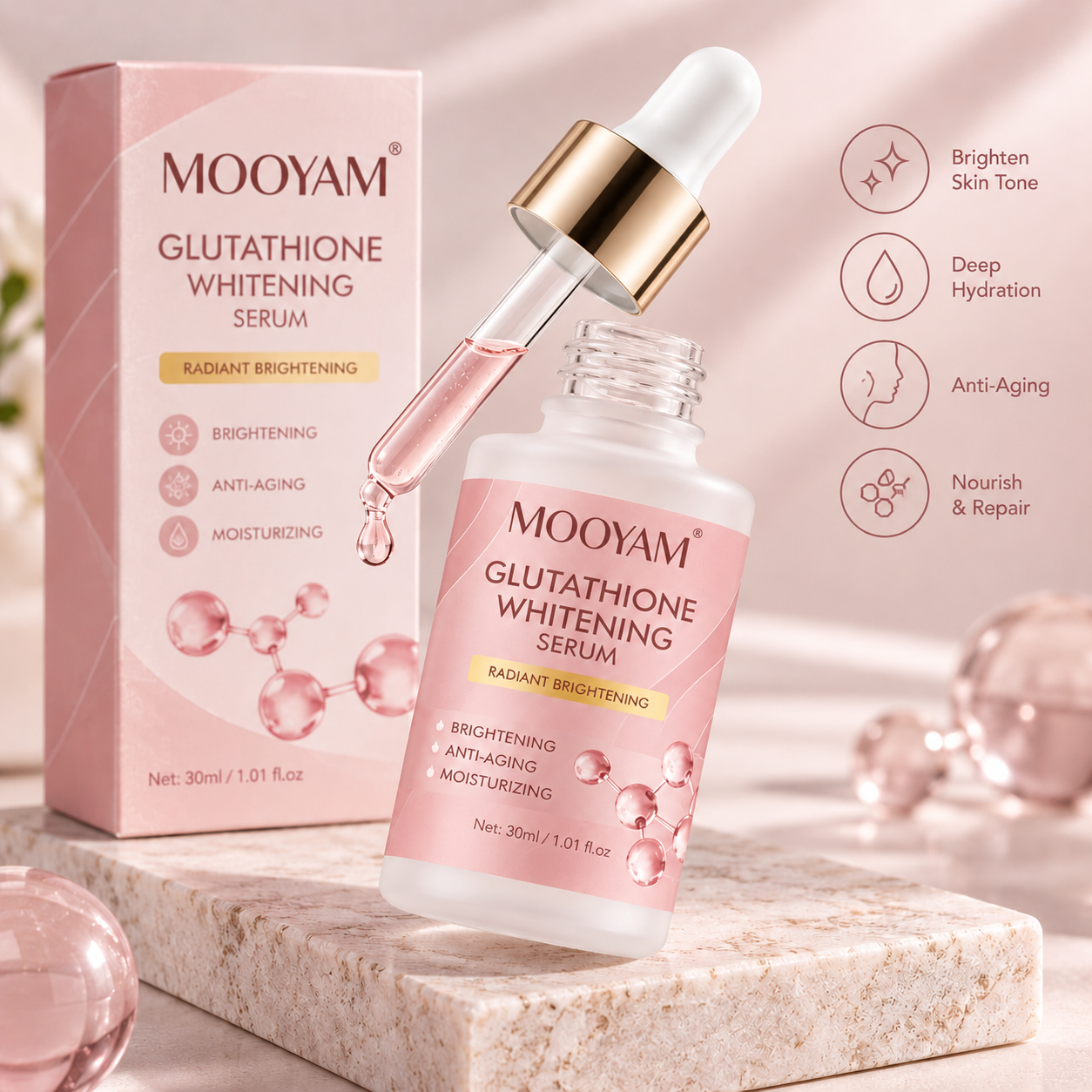
Glutathione Whitening Serum
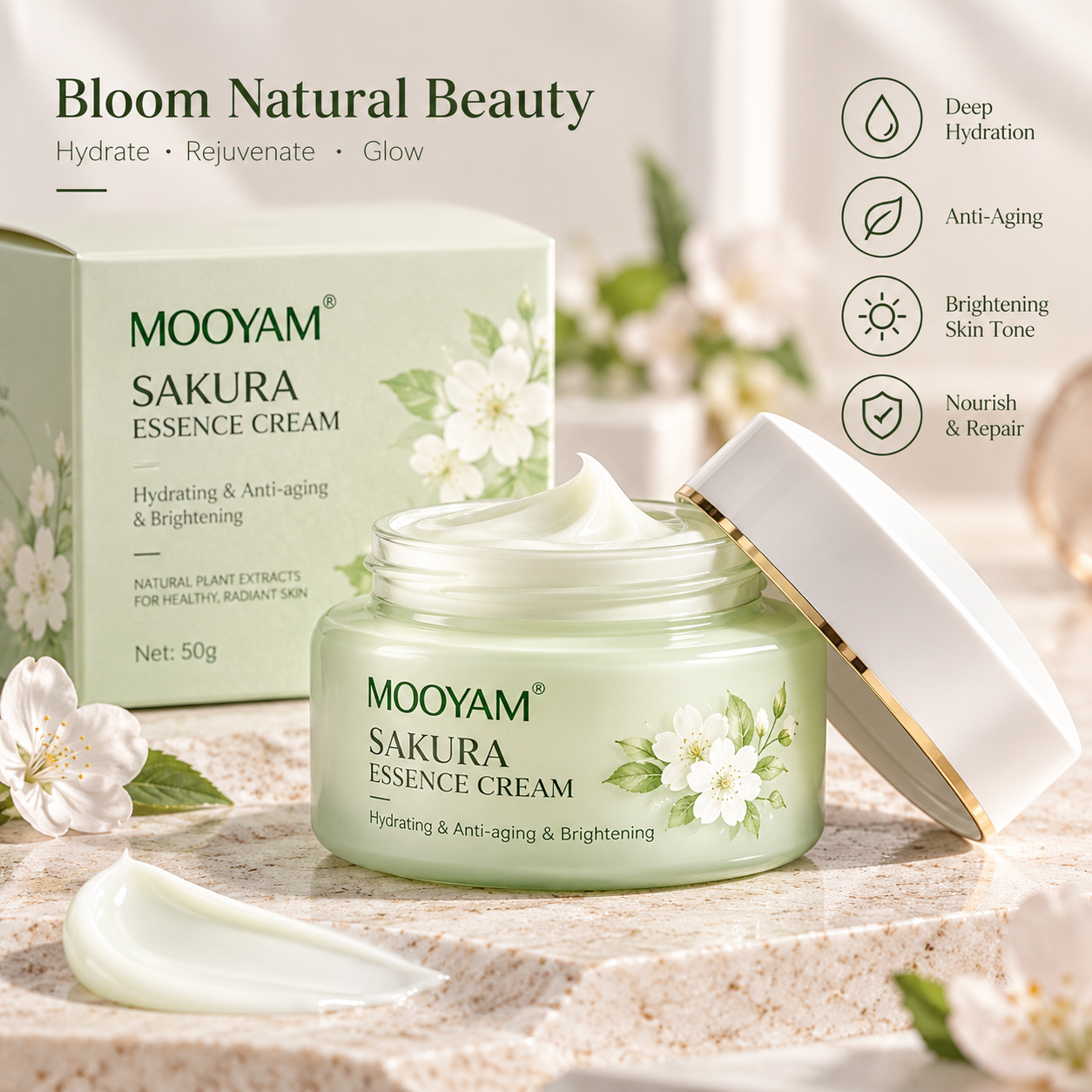
Moisturizing Mousse Cream
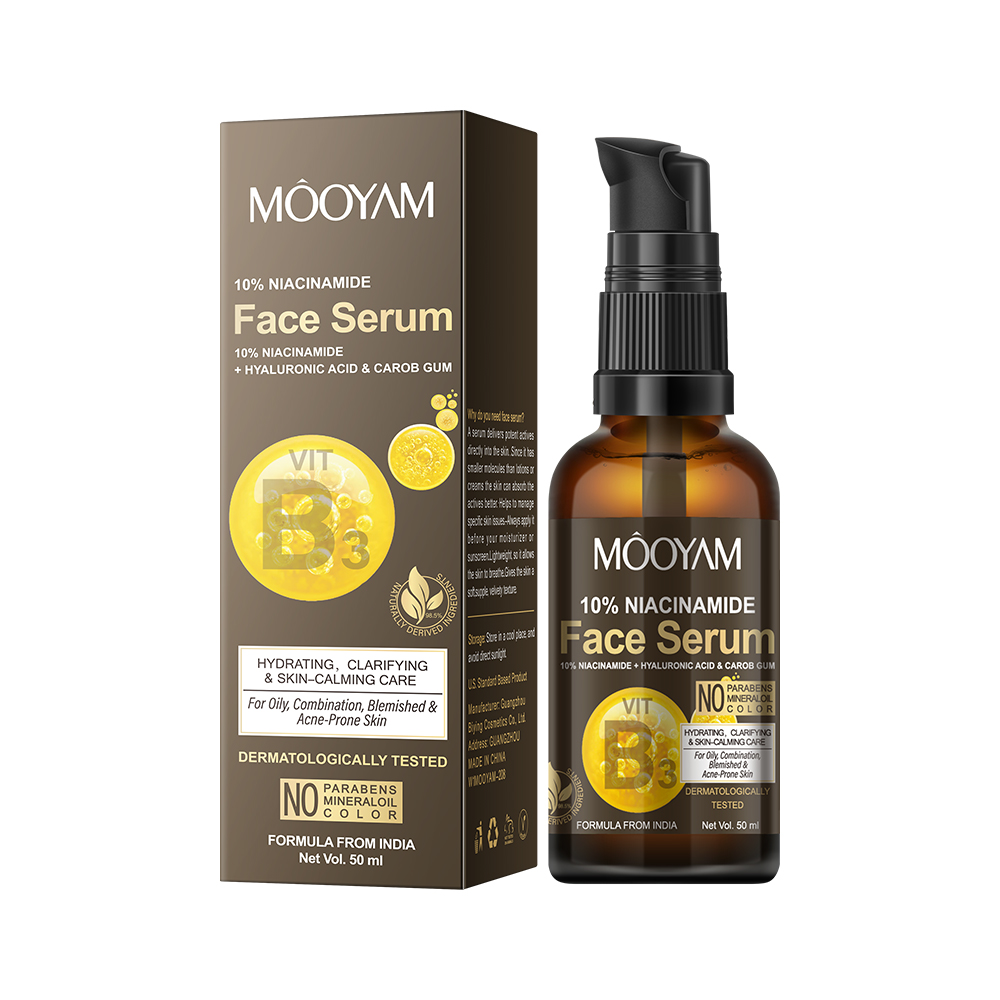
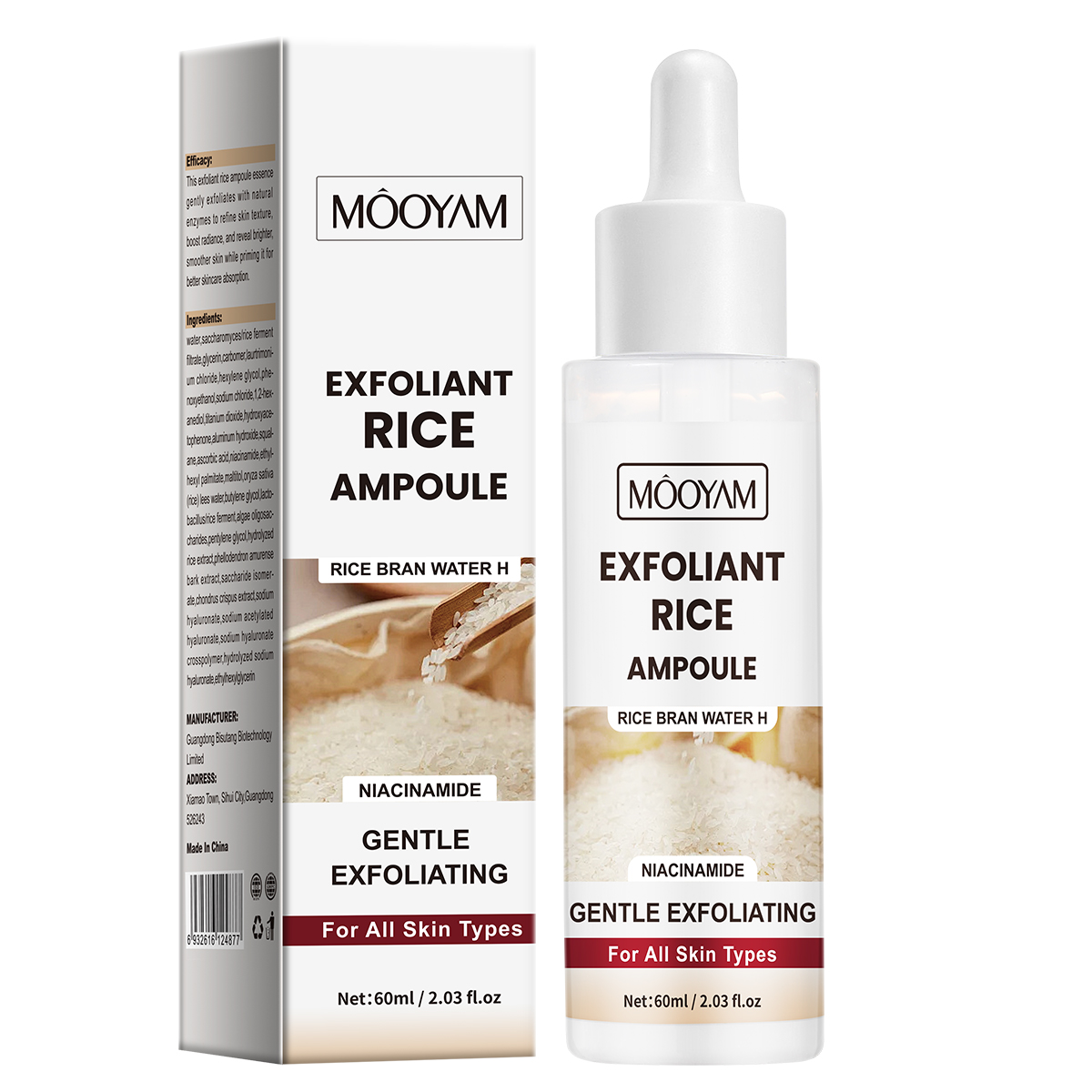
Niacinamide Whitening Essence
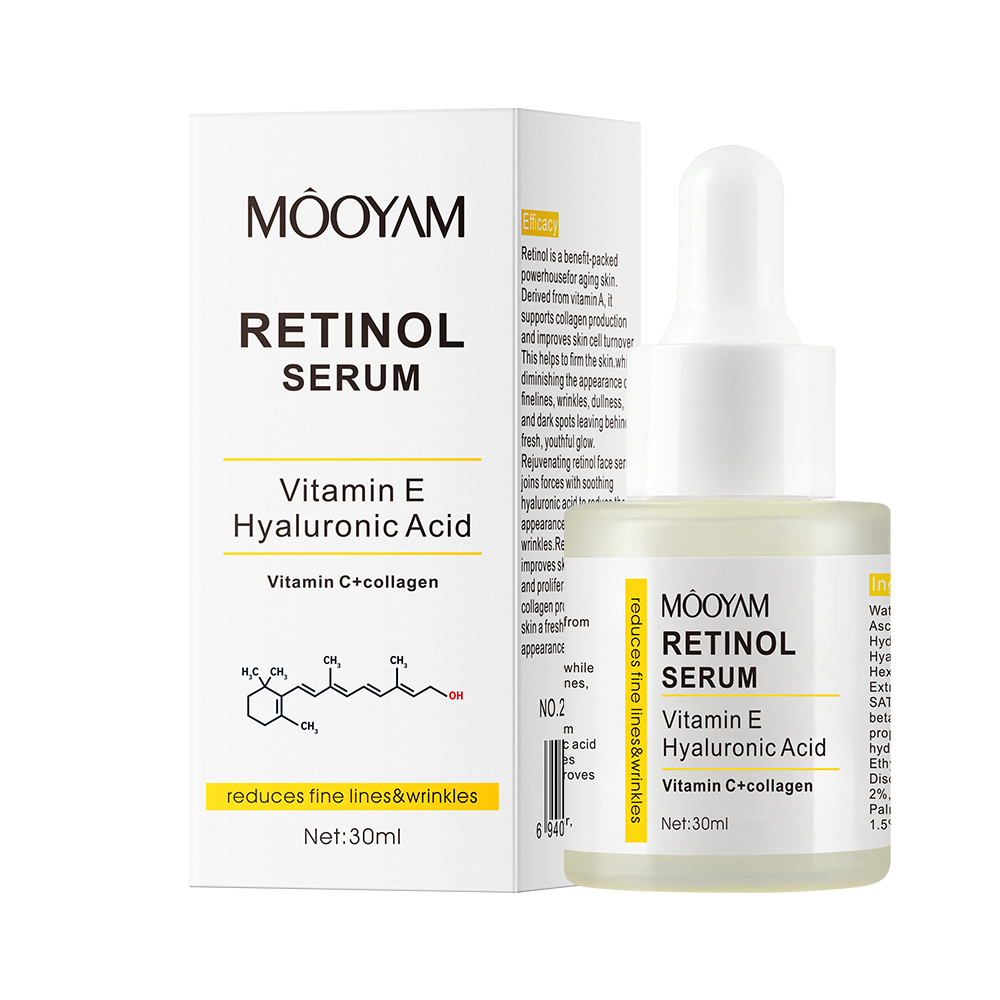
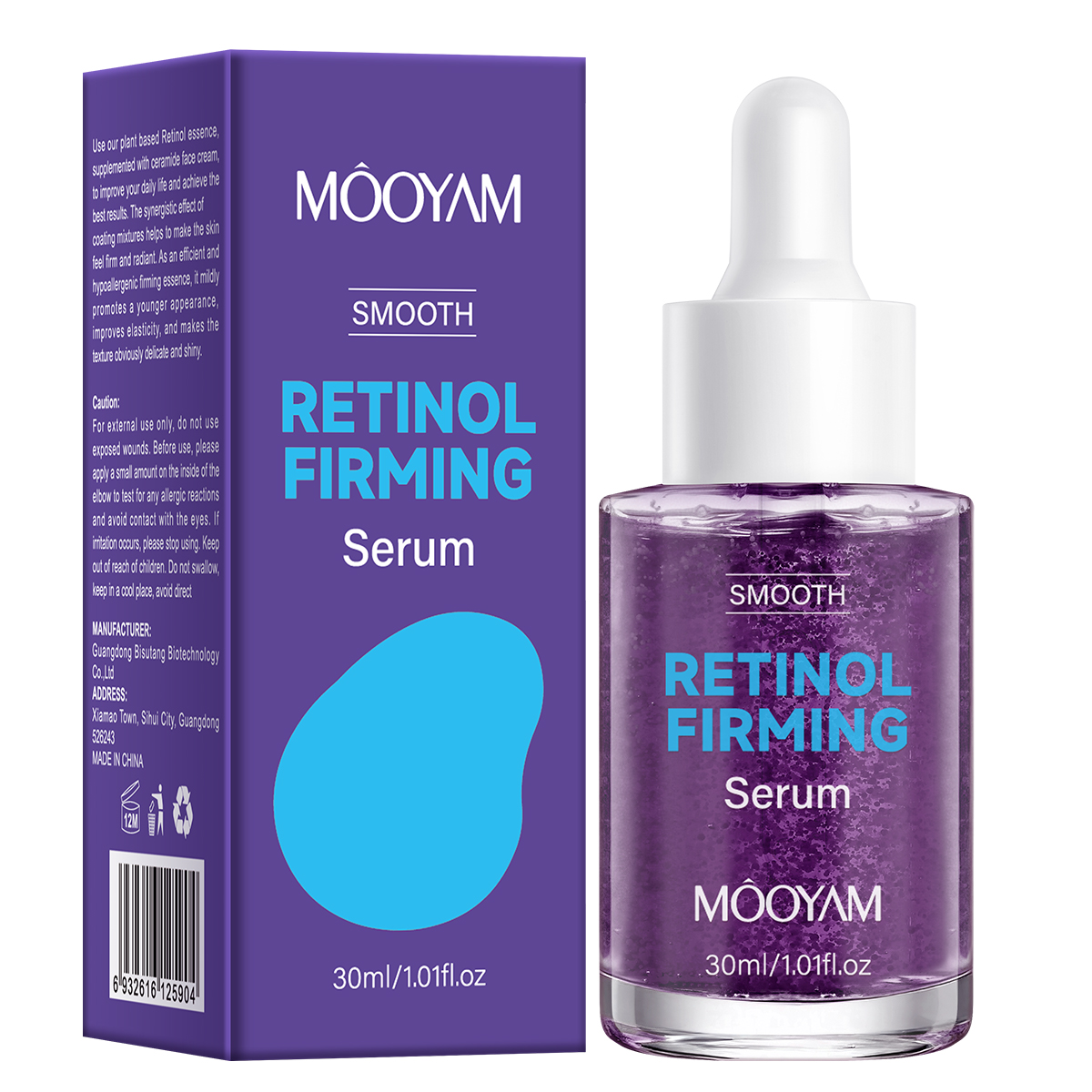
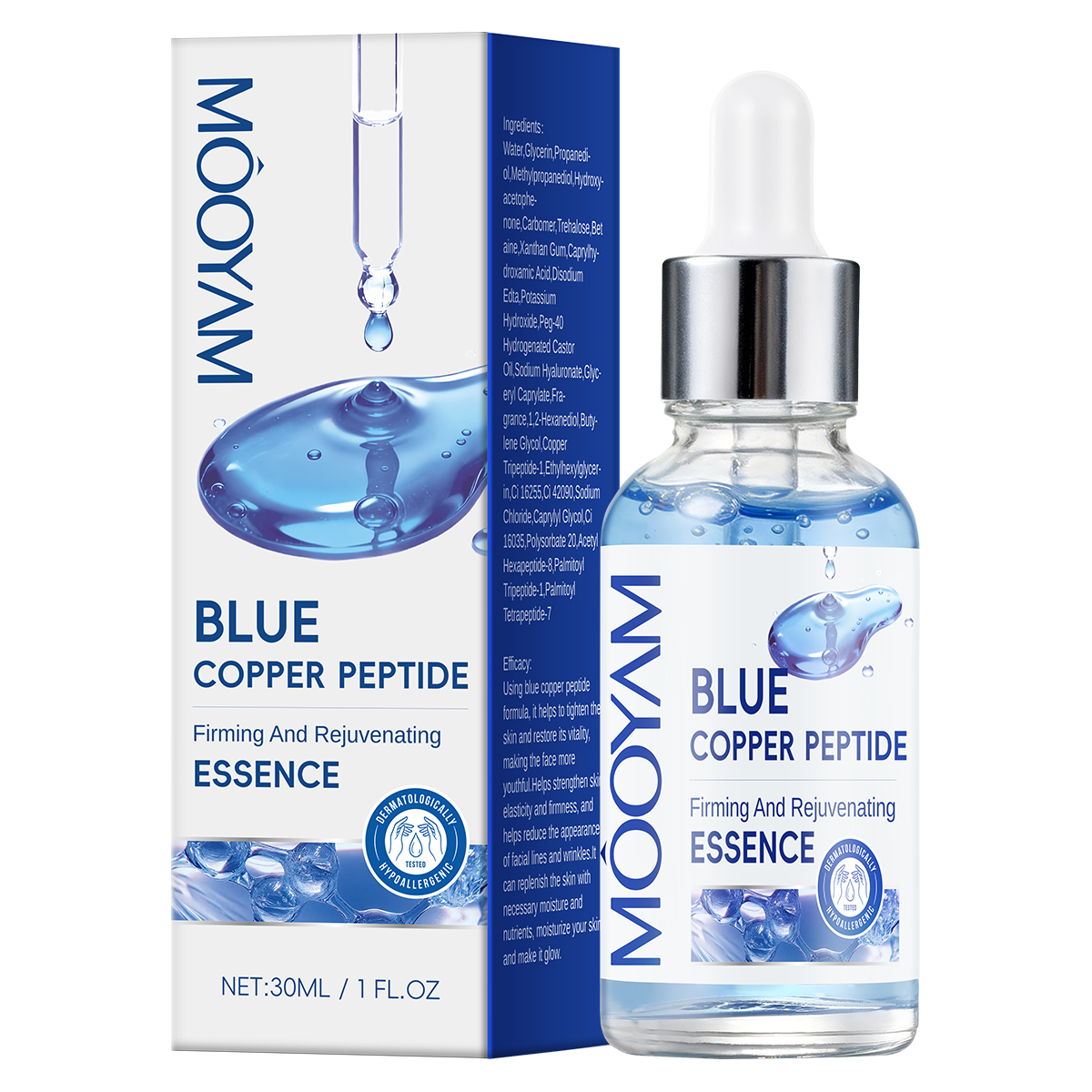
Retinol Anti Wrinkle Serum
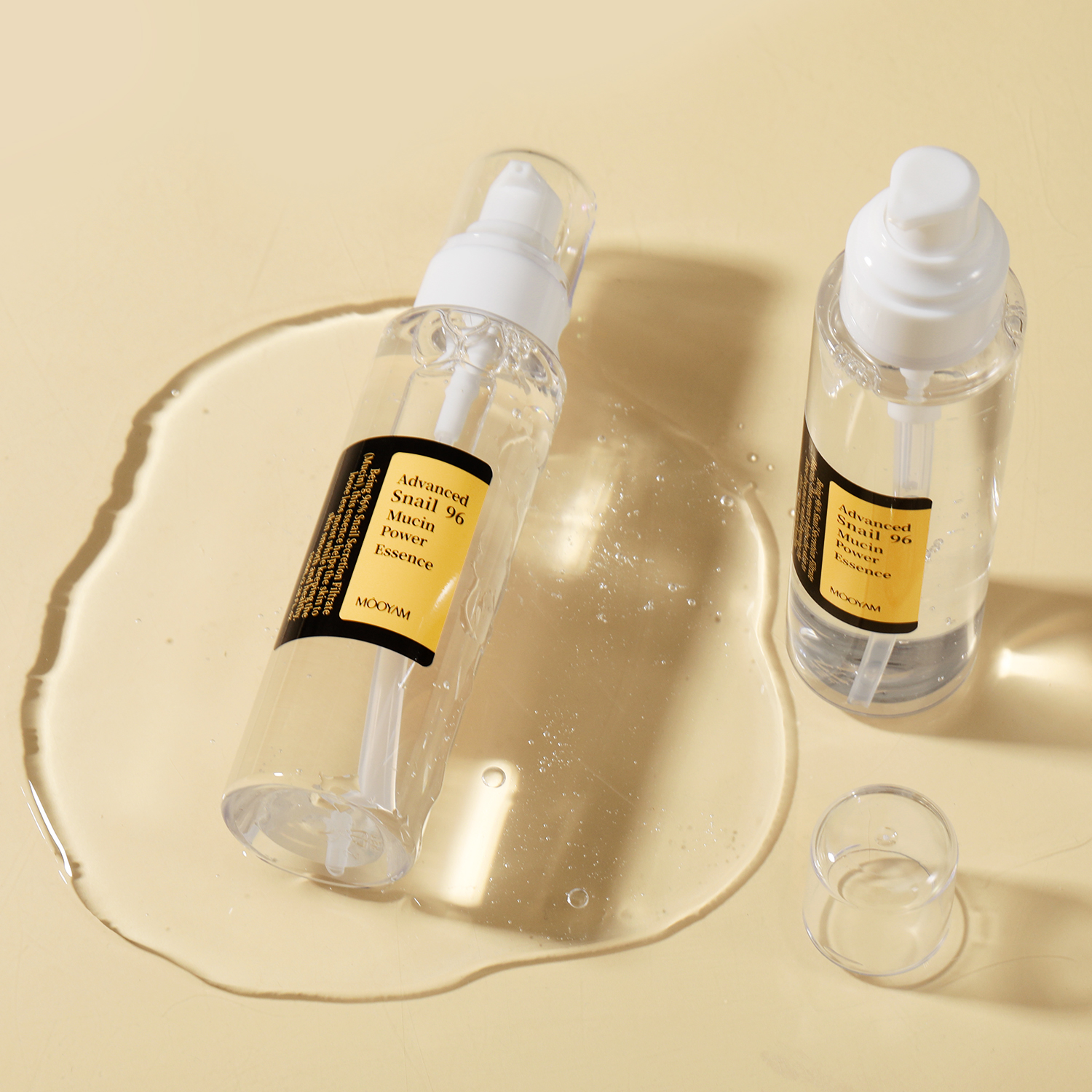
Snail Skin Serum
Moisturizing Essence Gel
Whitening Essence Lotion
Anti-Acne Essence

About MOOYAM
MOOYAM was founded in 2005, focusing on OEM/ODM one-stop service, to provide global users with safe and efficient efficacy skin care products. 20+ years of research and development, 30+ patented technologies, 92% efficacy verification pass rate, 30000㎡ smart factory through the United States GMPC and the EU ISO double certification. Shiseido expert team technical support, serving 180+ countries worldwide. Guangdong High-tech Enterprise certification, to provide you with safe, efficient, reliable skin care products.
- Planning
- Proposal
- Trial production
- Formulation determination
- Quotation
- Order
- Manufacturing
- Delivery
Your Premium Face serum Partner
How to Choose a Facial Serum
What to Consider When Buying a Facial Serum
How to Choose a Facial Serum
According to different skin types, different ages, and different essence functions, we will teach you how to choose essence and popularize the knowledge in this area
Moisturizing Essence
Mainly moisturizing and hydrating effects, usually used as daily skin care. Suitable for healthy skin and dry skin.
Whitening Essence
Mainly whitens skin. Suitable for dull skin. Skin types with spots, acne marks, etc.
Anti-aging Essence
Mainly fades fine lines and slows down aging. Suitable for skin types with increased wrinkles, rough skin, reduced elasticity, etc.
Repair Essence
Mainly repairs damaged skin, and some active ingredients can relieve problem skin. Suitable for light-mature skin and problem skin.
Sensitive Skin
When choosing essence, look at the ingredients, choose essences with simple formulas, repair effects, and help improve skin barrier ability.
Dry Skin
Choose moisturizing products. In order to improve its long-term softness, you can choose products with a slightly thicker texture.
Mixed Skin
Choose products with a slightly lighter texture. If the T-zone is oily, you can apply less. Apply a small amount on the cheeks several times.
Oily Skin
Suitable for moisturizing products. For texture, you can choose products with a lighter texture.
Around 20 Years Old
Choose oil-control and moisturizing products.
The skin condition of this age group is relatively good, but most people will still be troubled by acne. Excessive oil production on the face clogs the pores, and the accumulation of aging stratum corneum forms acne, so when choosing essences, you can use oil-control essences.
Around 30 Years Old
Choose repair and anti-aging essences
The skin of this age group is prone to instability, roughness and dullness. You can use anti-aging essences and repair essences with antioxidant capabilities. Basic moisturizing work should also be done well.
Around 38 Years Old
Mainly anti-wrinkle and lifting, whitening
After 30 years old, the skin begins to oxidize, collagen gradually loses, and fine lines, spots and other skin aging problems will appear more or less. You can use essences with anti-wrinkle and lifting effects to provide nutrients for the skin and make it more elastic. Using whitening essences can also fade spots and even out skin tone.
After 45 Years Old
Mainly anti-aging and anti-yellowing
Choose anti-aging and anti-yellowing essences to deeply moisturize the skin, add a lot of nutrients to achieve anti-aging effects, and try to slow down the speed of aging.
What to Consider When Buying a Facial Serum
Facial serums are a highly effective core of the skincare routine, with a much higher concentration of active ingredients than ordinary skincare products. They have stronger penetration and can precisely address targeted issues such as moisturizing, anti-aging, and whitening. However, the natural barrier function of the skin and the complexity of its ingredients mean that choosing the wrong serum not only wastes skincare resources but may also cause irritation and sensitivity. Whether it’s ordinary consumers choosing products for personal use or beauty brands engaging in OEM/ODM collaborations, a “demand-oriented + scientifically matched” purchasing logic is essential.
Skin Type
The primary principle for choosing a serum is to address specific skin concerns, rather than blindly pursuing an all-around solution. Oily and combination skin types are prone to oiliness, dullness, and enlarged pores. Prioritize oil-controlling and antioxidant serums containing ingredients like niacinamide (2%-5% golden concentration), salicylic acid, and zinc. Watery or egg-white textures are ideal, avoiding occlusive ingredients like mineral oil. Dry and combination-dry skin types prioritize hydration and moisture retention. Moisturizing serums containing hyaluronic acid, ceramides, and squalane are the best choice, with lotion-like textures providing longer-lasting hydration. Sensitive skin types should avoid serums with overly complex efficacy claims. Considering skin barrier repair as the core, choose soothing ingredients such as panthenol, centella asiatica extract, and ectoine, while avoiding irritating ingredients such as retinol and high-concentration acids.
Efficacy Needs
From an age and situational perspective, those in their 20s focus on basic moisturizing and early anti-aging, and can choose serums containing vitamin B5 and bifida ferment lysate; those in their 30s need to strengthen anti-wrinkle and firming, and retinol (0.1%-0.3% beginner concentration) and peptides are more targeted; those who stay up late or have dull skin are suitable for brightening serums containing vitamin C derivatives and glycyrrhizin, note that vitamin C products should be stored and used away from light. MOOYAM, as a professional OEM/ODM manufacturer, can customize products from basic moisturizing to high-end anti-aging according to different skin types and efficacy needs. The entire series features a serum formula.
Core Ingredients
The efficacy and safety of a serum depend entirely on the “quality” and “quantity” of its ingredients. High-quality serums will have their core ingredients listed in the first five ingredients of the formula, such as acetyl hexapeptide-8 in anti-aging serums and ascorbic acid glucoside in whitening serums, rather than being “conceptual additions” hidden behind preservatives. At the same time, be wary of three types of risky ingredients: First, high-concentration alcohol and synthetic fragrances. The former can damage the skin’s lipid barrier, leading to increased dryness with continued use, while the latter is an internationally recognized culprit for allergies, accounting for up to 35% of allergy cases; second, formaldehyde-donating preservatives (such as DMDM hydantoin) and methylisothiazolinone (Kasone). These ingredients not only irritate the skin but may also pose long-term health risks; third, minerals… Oils, liquid paraffin, and other acne-causing ingredients can clog pores and worsen skin condition.
Safety System
MOOYAM strictly adheres to EU cosmetic safety standards, establishing a raw material traceability + triple testing system: all raw materials pass heavy metal testing and skin irritation testing, ensuring the purity of core active ingredients meets standards; for sensitive skin, pregnant women, and other special groups, customized simplified formulas free of fragrances, alcohol, and irritating preservatives can be developed, eliminating the risk of allergies from the source and building a safe and reliable product barrier for partner brands.
Penetration Technology
The stratum corneum of the skin is a natural barrier to ingredient absorption, which is difficult to overcome by the ingredients themselves alone. Penetration technology becomes the core guarantee for the efficacy of serums. Currently, mainstream penetration-enhancing technologies include: chemically enhanced nanocapsules. Liposomes and vesicles can encapsulate and transport ingredients such as phenylethyl resorcinol and peptides, protecting them from oxidation and ensuring precise release. Bio-penetration-enhancing peptides can carry large molecules across the skin barrier with lower toxicity. Consumers can assess a product’s penetration ability through the “technical terminology” in its description to avoid purchasing “pseudo-serums” containing only basic ingredients.
Texture Experience
Texture directly determines consistent use: Oily skin types should choose water-based serums (such as hyaluronic acid serums), which absorb quickly without stickiness and are less likely to pill when layered with creams; dry skin types should choose egg-white or lotion-like serums (such as repair serums containing squalane), which offer a balance between hydration and absorption; mature skin types can try facial oils, but should be mindful of compatibility with subsequent skincare products . Cosmetics products boast a mature formula control system, allowing for precise control of the serum’s viscosity, absorption speed, and skin feel by combining it with corresponding penetration technologies based on efficacy needs. This achieves a dual balance of highly effective penetration and a comfortable experience.
Usage Scenarios
Serum packaging needs to consider both ingredient freshness and the intended use. Serums containing easily deactivated ingredients such as Vitamin C and retinol should be placed in dark, light-proof bottles with vacuum pumps to effectively isolate them from air and light, preventing oxidation and deactivation. For business trips and travel, portable small bottles (10-15ml) are suitable to avoid spoilage due to improper storage after opening large bottles. Daytime serums should focus on a lightweight, antioxidant formula to prevent pilling with subsequent makeup. Nighttime serums can be high-concentration, effective formulas that coincide with the skin’s most active metabolic period. Demands.
Packaging Design
For brands, packaging is a visual expression of technological strength. MOOYAM offers a dual customization service combining technology and aesthetics: recommending exclusive packaging materials based on ingredient characteristics (such as nano-silver bottles for improved stability), and customizing the entire process from tube design to logo printing; supporting small-batch trial production to verify market response, followed by large-scale production to reduce costs and help brands create differentiated products.
Price
The core value of serums lies in ingredient concentration and penetration efficiency, not brand premium. Affordable serums offer many high-value options, such as basic formulas containing 2% niacinamide, which meet daily oil control needs; the advantages of mid-to-high-end serums lie in patented technology and rare ingredients, such as… Vitamin C serums with nano-penetration technology and anti-aging serums containing high-purity Pro-Xylane are suitable for those with specific improvement needs. When purchasing, pay attention to the following: the further down the ingredient list the core ingredient appears, the more limited its actual efficacy; avoid paying for conceptual additives.
As a source OEM/ODM manufacturer, MOOYAM reduces costs by over 30% by centrally sourcing high-purity raw materials (such as imported small-molecule hyaluronic acid and patented peptides) and optimizing production processes, while ensuring the concentration of core ingredients and penetration technology. Whether it’s the affordable series targeting the mass market or the luxury series positioned for high-end professional salons, they achieve “no compromise on quality + competitive pricing,” helping products stand out in market competition.
Get a Personalized Brand Solution
Considering a private label Skin care brand?
Get started with these 10 must-ask OEM/ODM questions every entrepreneur needs to know.
Are there factories and laboratories that can be visited?
Of course, we support factory inspections.
Do you support exclusive formulation research and development with confidentiality agreements?
Yes, we have a professional R&D team and abide by business secrets.
How to evaluate the R&D strength of OEMs?
Check whether the laboratory configuration has an independent laboratory (not outsourced) and equipment list.
How can OEM help brands with marketing?
Provide finished product shooting material packages and jointly develop clinical test reports.
How long does it take to develop and produce a custom skincare product?
ODM: 4-8 weeks (using existing formulas). OEM: 3-6 months (includes R&D, testing, and production). Factors affecting timeline: Ingredient sourcing, stability testing, and packaging lead time.
How do ensure product safety and quality?
Stability & compatibility test reports (3-6 months). Patch test results (for sensitive skin claims). GMP, ISO 22716, or FDA-certified facilities.
Can customize the packaging with my brand logo?
Yes! Most manufacturers offer: label printing, custom bottle shapes, and eco-friendly options such as PCR plastic, glass, and biodegradable tubes.
Can request samples before bulk production?
Yes, always request samples!
What is the minimum order quantity (MOQ) for private label skincare?
Typically 1,000-5,000 units per product, but some manufacturers offer lower MOQs for startups.
What is the specific OEM cooperation model?
Under the OEM model, the brand provides product formula, production process and packaging design requirements, and the OEM factory produces according to these requirements.
Start Your Face Serum Private Label Project
Share your face serum concept, target market, formula direction, packaging style and expected quantity. MOOYAM will help review samples, MOQ, production schedule and next-step requirements.