
Private Label Hair Care Manufacturer
Your Premium Hair Shampoo Partner
Private label hair shampoo manufacturing for cleansing, moisturizing, oil-control and scalp care concepts, from surfactant system to packaging and OEM/ODM production.
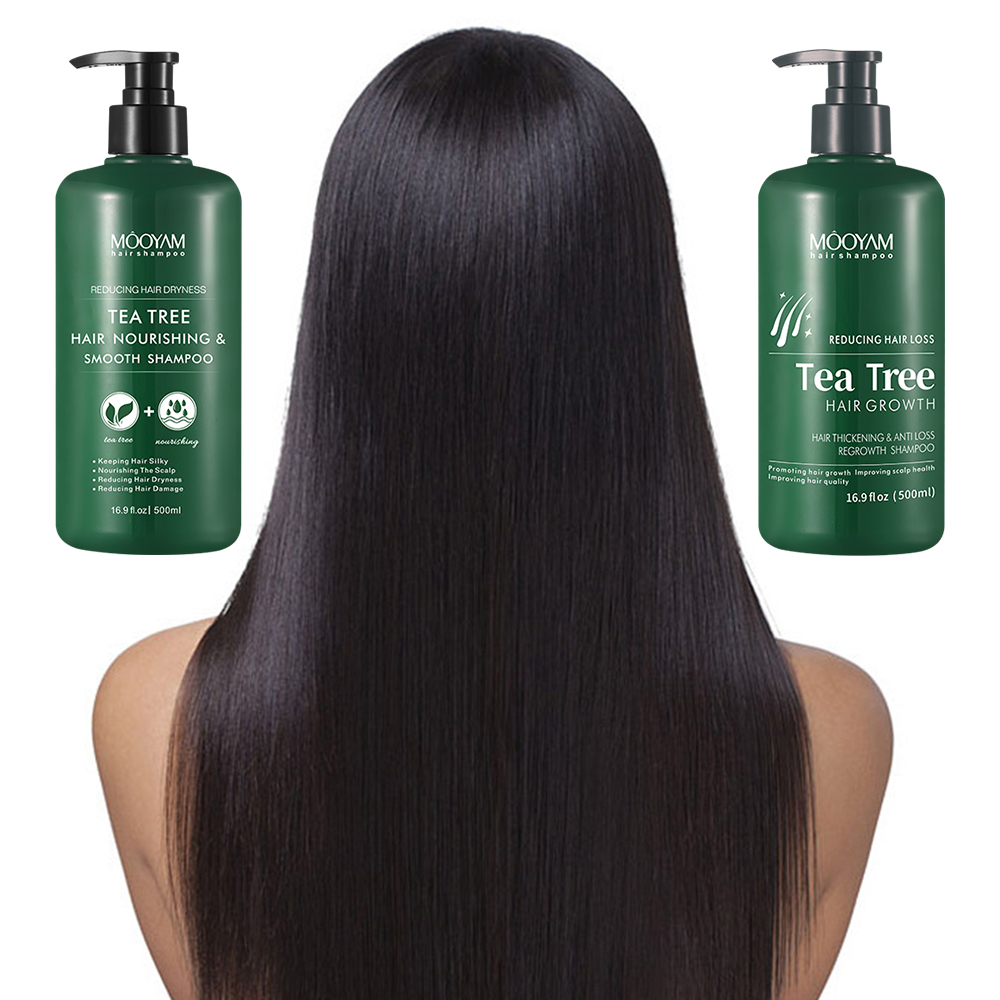
OEM/ODM Hair Shampoo: Where Professionalism Meets Unique Formulations
MOOYAM supports private label hair shampoo projects for brands that need custom cleansing performance, surfactant system, fragrance, texture, scalp feel, packaging and bulk production support. Shampoo concepts can include gentle daily cleansing, oil-control, moisturizing, anti-frizz, salon care and scalp-focused formulas.
Our team helps B2B buyers review formula direction, sample feedback, packaging compatibility, MOQ planning and production requirements before moving into bulk OEM/ODM manufacturing.
Hair Shampoo Manufacturing Details for B2B Buyers
MOQ by Shampoo Type
MOQ can vary by shampoo formula, surfactant system, fragrance, bottle or pump style, printing method and order quantity. MOOYAM reviews your product concept and launch plan before confirming the suitable production route.
Sample Review and Lead Time
The usual process includes formula direction confirmation, lab sample preparation, foam and scalp feel review, packaging compatibility check, feedback adjustment and sample approval. Bulk production lead time is confirmed after formula, packaging, artwork and quantity are finalized.
Formula and Packaging Options
You can use your own formula, choose from mature base formulas or request custom development. Packaging options may include bottles, pumps, tubes, sachets, labels, boxes and custom outer packaging.
QC and Export Support
Quality control can include raw material review, pH, viscosity, appearance and odor checks, microbial testing where required, filling inspection and finished goods checking. Export support can include COA, MSDS, ingredient list, packing list and commercial invoice when required.
Hair Shampoo Textures
Choose the texture, active ingredients, skin feel and claim direction that best match your target market.
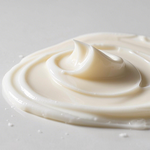
Creamy texture
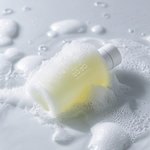
Foamy texture
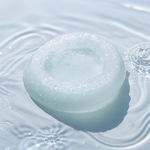
Gel-like texture

Liquid texture
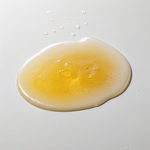
Oily texture
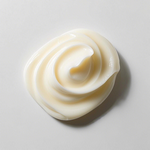
Paste-like texture
Once the Formula's Chosen, We've Got the Rest Covered!
Once your shampoo formula direction is confirmed, MOOYAM can support lab sample preparation, foam and fragrance adjustment, packaging matching, label or box planning, production scheduling, filling inspection and export document preparation. Lead time is confirmed after formula, packaging, artwork and quantity are finalized.
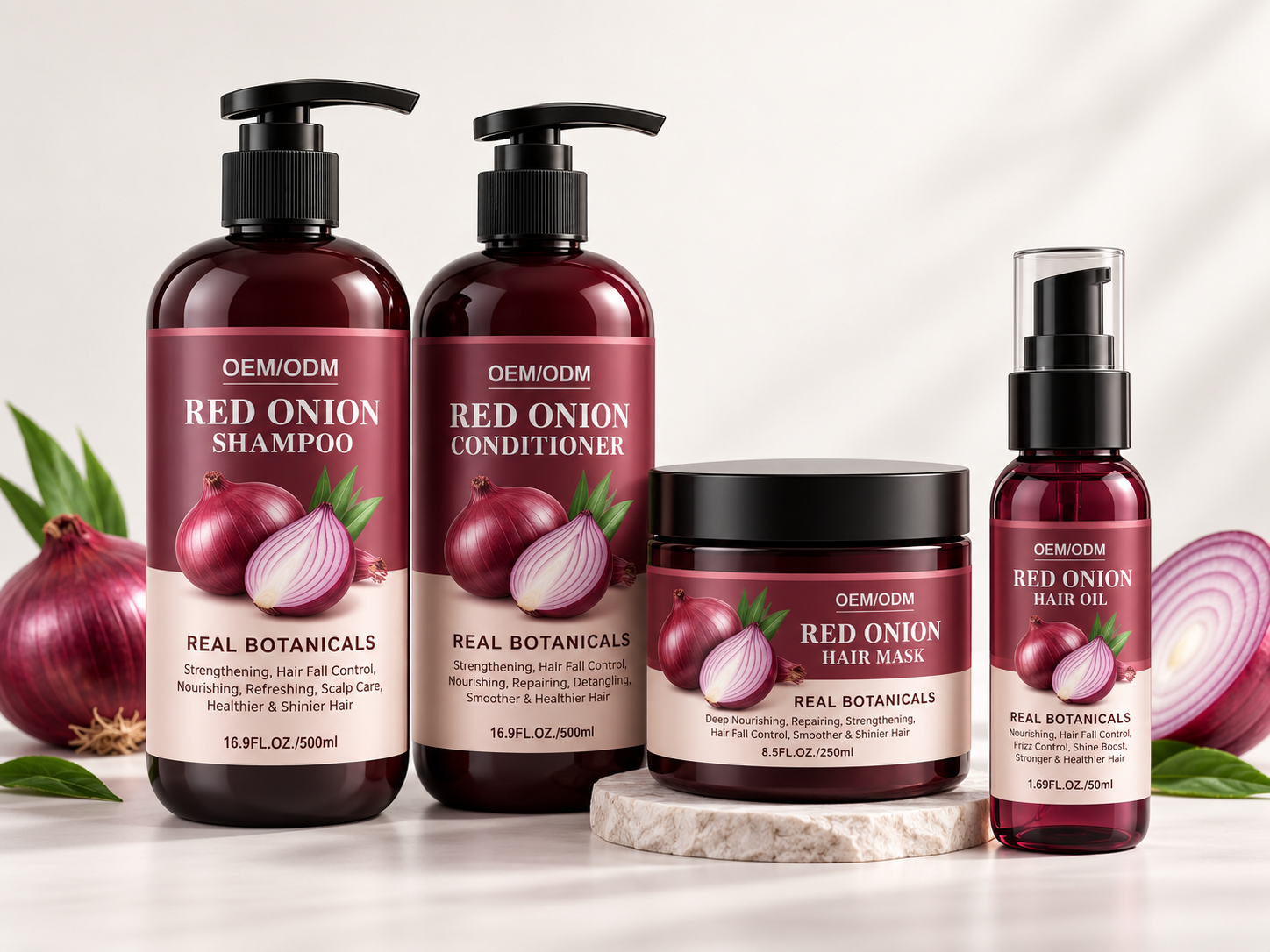
Red Onion Hair Care Set
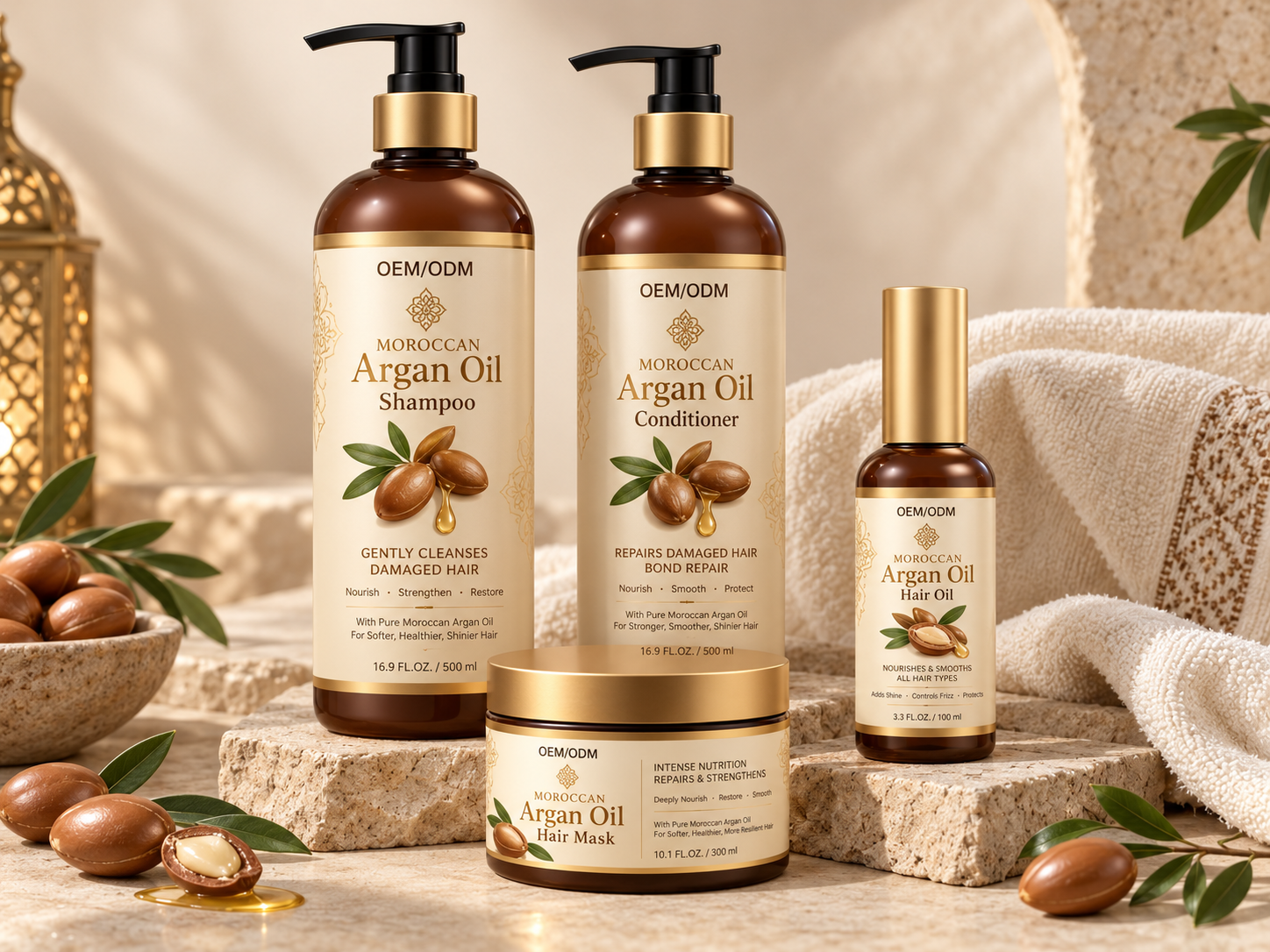
Moroccan Argan Oil Hair Care Set
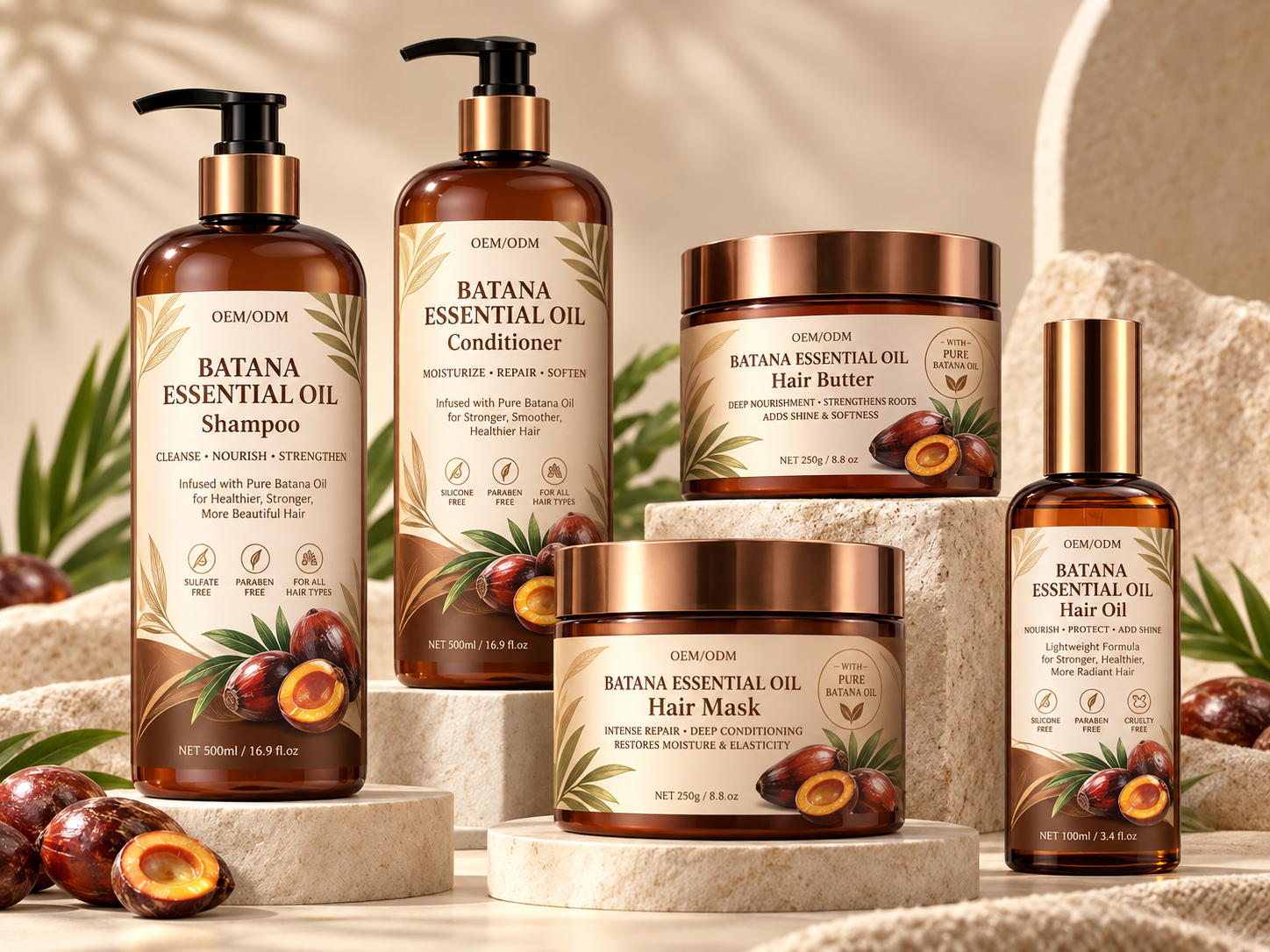
Batana Essential Oil Hair Care Set
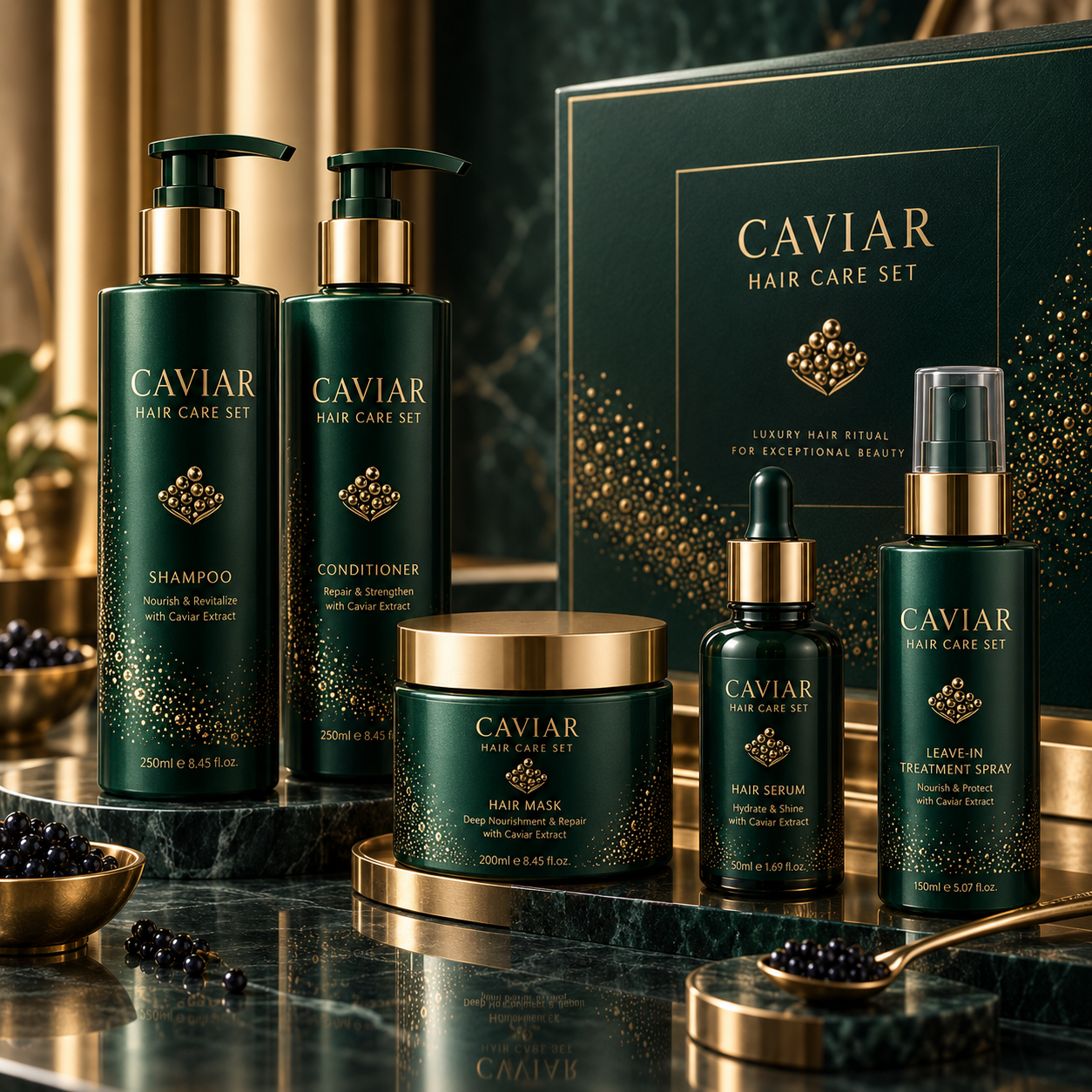
Caviar Hair Care Set
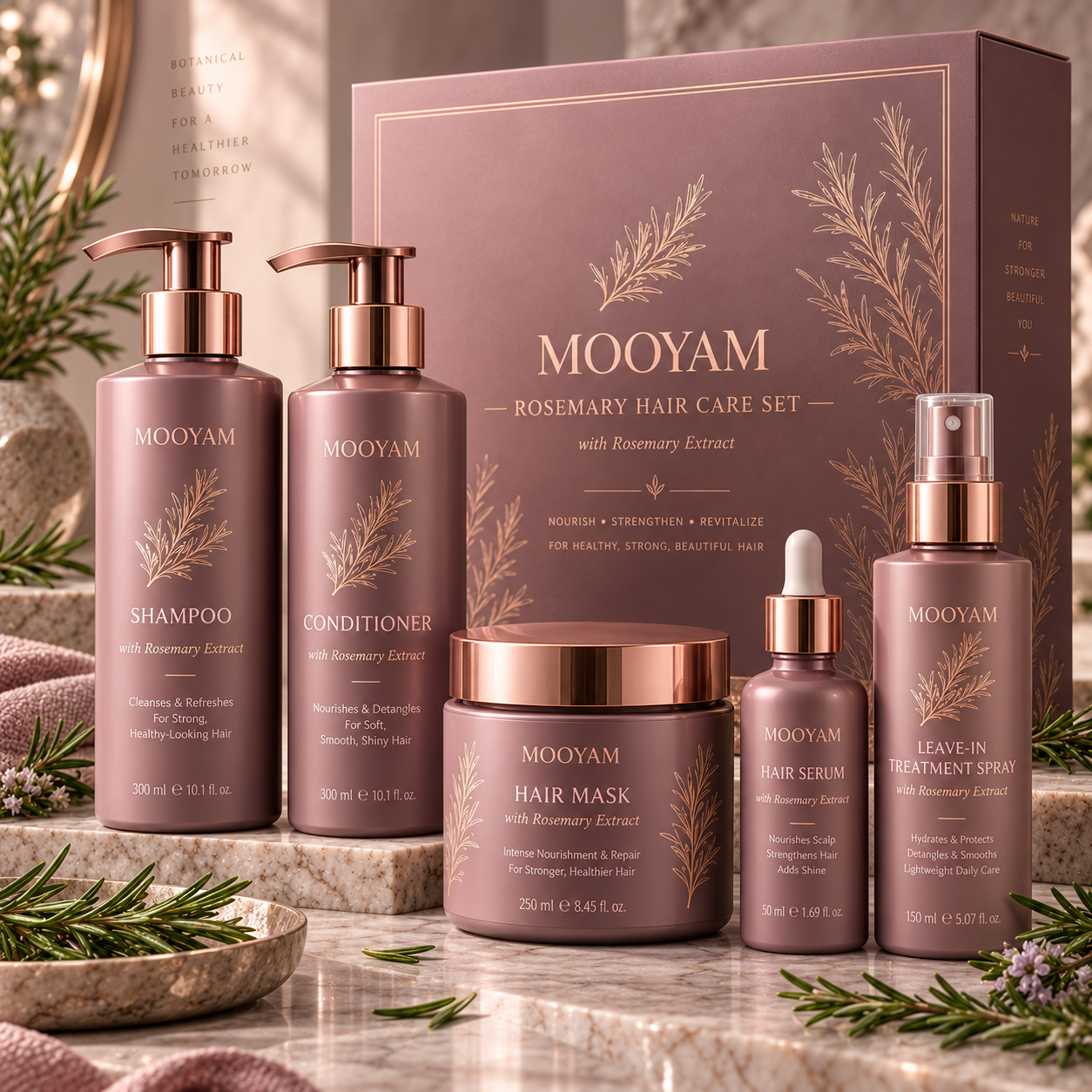
Rosemary Hair Care Set

About MOOYAM
MOOYAM focuses on OEM/ODM one-stop service to provide global buyers with safe and efficient skincare products. With experienced formulation development, certified manufacturing, quality control and global service support, we help brands move from product idea to market-ready production.
- Planning
- Proposal
- Trial production
- Formulation determination
- Quotation
- Order
- Manufacturing
- Delivery
Custom Private Label Shampoo
Anionic Surfactants
Features: Strongest cleaning power, but may irritate the scalp. The disadvantage of too strong cleaning power is that it will cause over-cleaning, making our hair rough and easy to tangle. Common types: Sodium laureth sulfate: strong cleaning power, rich foaming, low irritation, often used in daily shampoo. Sodium lauryl sulfate: strong cleaning, but high irritation, gradually replaced by mild surfactants. Sodium cocoyl methyl taurate: mild and low irritation, suitable for sensitive skin.
Cationic Surfactants
Features: Mainly used as a conditioning agent to reduce hair friction and static electricity, but the cleaning effect is weak. It can repair damaged hair, improve hair elasticity and luster, and protect hair from external environmental damage, such as ultraviolet rays, hot air and pollutants. Common types: quaternary ammonium salts, such as stearyl trimethyl ammonium chloride, such as stearyl trimethyl ammonium chloride, used for hair softening and antistatic.
Amphoteric Surfactants
Features: It has both cationic and anionic properties and is extremely mild. Commonly used for infants and those with delicate and easily damaged hair because they do not cause stinging in children’s eyes, have low foam irritation, and have good cleaning power. Common types: Cocamidopropyl betaine: strong foaming power, synergistic with anionic surfactants. Sulfosuccinates: low irritation, widely used in infant shampoo.
Nonionic Surfactants
Features: mild, non-irritating, often paired with anionic to improve efficacy. The mildest of all cleansers, but also weaker in cleaning ability, suitable for sensitive scalps, and helps enhance the antistatic properties of shampoo. Common types: Polysorbates: used to stabilize formulas. Cocamidopropyl betaine: has both cleaning and conditioning effects, which can reduce the irritation of anionic surfactants. Fatty alcohol ethoxylates: suitable for dry hair formulas.
Natural Surfactants
Natural surfactants come from plants, such as sarsaparilla, soap grass, soap bark, ivy, and agave, and have poor cleaning effects on hair.
How to Choose a Shampoo that Suits You?
Choose a neutral scalp according to the scalp type:
Neutral scalp: normal cleansing
`n`nGeneral anionic detergents are sufficient for normal cleansing, supplemented with zwitterionic or nonionic detergents to enhance conditioning effects.
Oily Scalp: Strong Cleansing, Oil Control
It is recommended to use anionic surfactants with strong cleansing power, such as sodium laureth sulfate and sodium lauryl sulfate. Combined with oil-removing active ingredients: tea tree oil, mint, etc. Avoid: heavy silicone oil ingredients (such as polydimethylsiloxane), which can easily cause pores to clog.
Dry Scalp: Moisturizing, Gentle Cleansing
It is recommended to use mild surfactants, such as cocoyl betaine, sodium cocoyl methyl taurate, and sulfosuccinate. Combined with moisturizing ingredients: glycerin, hyaluronic acid, panthenol, etc. Combined with nourishing ingredients: coconut oil, jojoba oil, shea butter. Avoid: strong irritating surfactants (sodium laureth sulfate, sodium lauryl sulfate).
Sensitive Scalp: Low Irritation, Soothing
Recommended mild surfactants: sulfosuccinate, amino acid surfactants. Combined soothing ingredients: chamomile extract, calendula, ceramide. Combined anti-inflammatory ingredients: Centella asiatica, aloe vera. Avoid: fragrances, preservatives (such as methylisothiazolinone).
Considering a private label Skin care brand?
Get started with these 10 must-ask OEM/ODM questions every entrepreneur needs to know.
Are there factories and laboratories that can be visited?
Of course, we support factory inspections.
Do you support exclusive formulation research and development with confidentiality agreements?
Yes, we have a professional R&D team and abide by business secrets.
How to evaluate the R&D strength of OEMs?
Check whether the laboratory configuration has an independent laboratory (not outsourced) and equipment list.
How can OEM help brands with marketing?
Provide finished product shooting material packages and jointly develop clinical test reports.
How long does it take to develop and produce a custom skincare product?
ODM: 4-8 weeks (using existing formulas). OEM: 3-6 months (includes R&D, testing, and production). Factors affecting timeline: Ingredient sourcing, stability testing, and packaging lead time.
How do ensure product safety and quality?
Stability & compatibility test reports (3-6 months). Patch test results (for sensitive skin claims). GMP, ISO 22716, or FDA-certified facilities.
Can customize the packaging with my brand logo?
Yes! Most manufacturers offer: label printing, custom bottle shapes, and eco-friendly options such as PCR plastic, glass, and biodegradable tubes.
Can request samples before bulk production?
Yes, always request samples!
What is the minimum order quantity (MOQ) for private label skincare?
Typically 1,000-5,000 units per product, but some manufacturers offer lower MOQs for startups.
What is the specific OEM cooperation model?
Under the OEM model, the brand provides product formula, production process and packaging design requirements, and the OEM factory produces according to these requirements.
Start Your Hair Shampoo Private Label Project
Share your hair shampoo concept, target market, formula direction, fragrance, packaging style and expected quantity. MOOYAM will help review samples, MOQ, production schedule and next-step requirements.