
Private Label Hair Care Manufacturer
OEM/ODM Hair Conditioner
Private label hair conditioner manufacturing for smoothing, moisturizing, repair and detangling concepts, from custom texture to packaging and OEM/ODM production.
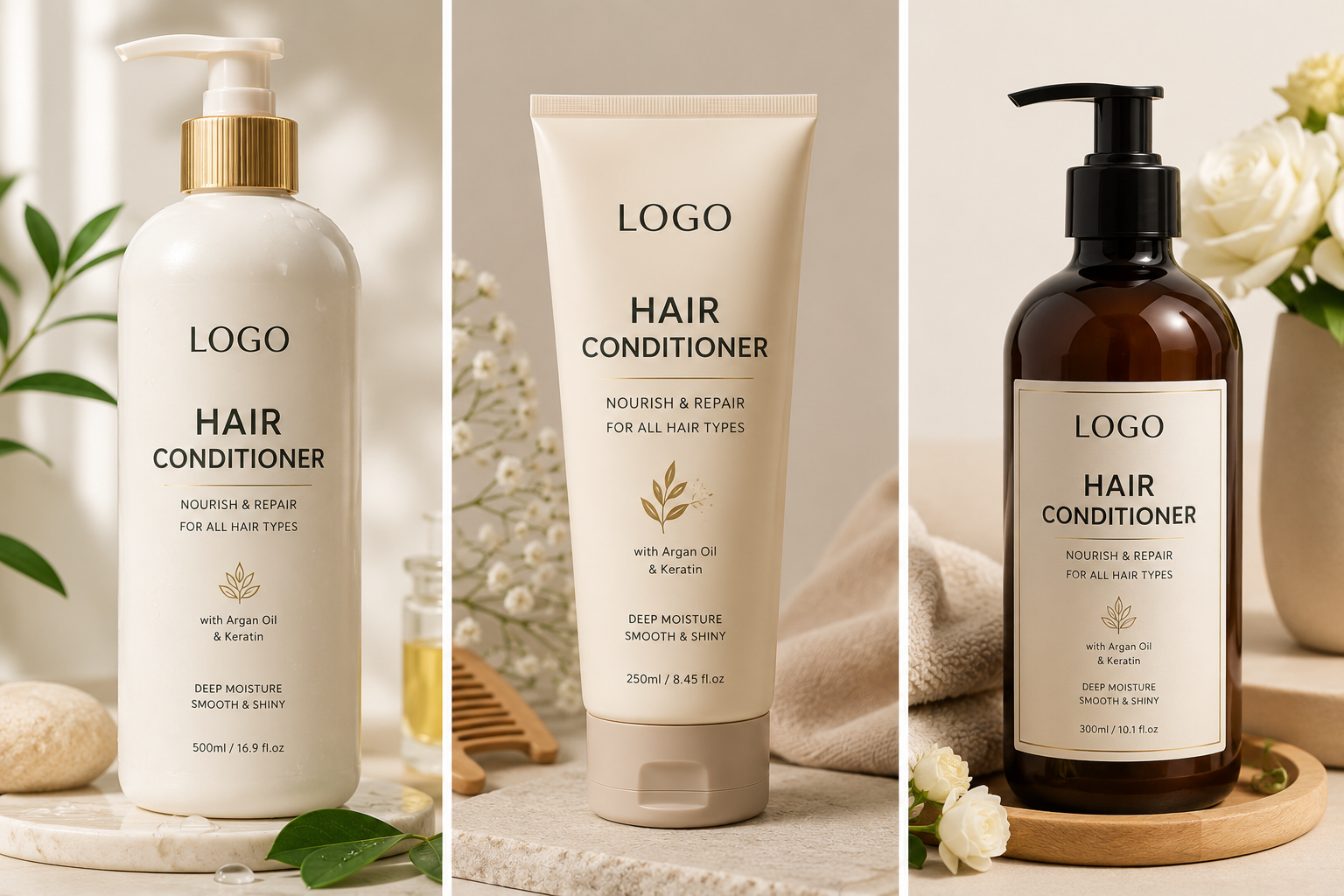
OEM/ODM Hair Conditioner: Where Professionalism Meets Unique Formulations
MOOYAM supports private label hair conditioner projects for brands that need custom texture, conditioning performance, fragrance, hair feel, packaging and bulk production support. Conditioner concepts can include daily smoothing, deep moisturizing, anti-frizz, repair support, salon care and color-care positioning.
Our team helps B2B buyers review formula direction, sample feedback, packaging compatibility, MOQ planning and production requirements before moving into bulk OEM/ODM manufacturing.
Hair Conditioner Manufacturing Details for B2B Buyers
MOQ by Conditioner Texture and Packaging
MOQ can vary by conditioner texture, conditioning system, fragrance requirement, bottle or tube style, printing method and order quantity. MOOYAM reviews your product concept and launch plan before confirming the suitable production route.
Sample Review and Lead Time
The usual process includes formula direction confirmation, lab sample preparation, texture and hair feel review, packaging compatibility check, feedback adjustment and sample approval. Bulk production lead time is confirmed after formula, packaging, artwork and quantity are finalized.
Formula, Fragrance and Packaging Options
You can use your own formula, choose from mature base formulas or request custom development. Packaging options may include bottles, tubes, pumps, sachets, labels, boxes and custom outer packaging.
QC and Export Support
Quality control can include raw material review, pH, viscosity, appearance and odor checks, microbial testing where required, filling inspection, packaging appearance review and finished goods checking. Export support can include COA, MSDS, ingredient list, packing list and commercial invoice when required.
Hair Conditioner Textures
Choose the texture, active ingredients, skin feel and claim direction that best match your target market.
Creamy texture
Foamy texture
Gel-like texture
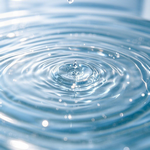
Liquid texture
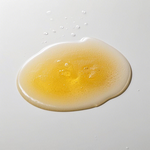
Oily texture
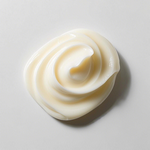
Paste-like texture
Once the Formula's Chosen, We've Got the Rest Covered!
Once your conditioner formula direction is confirmed, MOOYAM can support lab sample preparation, texture and fragrance adjustment, packaging matching, label or box planning, production scheduling, filling inspection and export document preparation. Lead time is confirmed after formula, packaging, artwork and quantity are finalized.
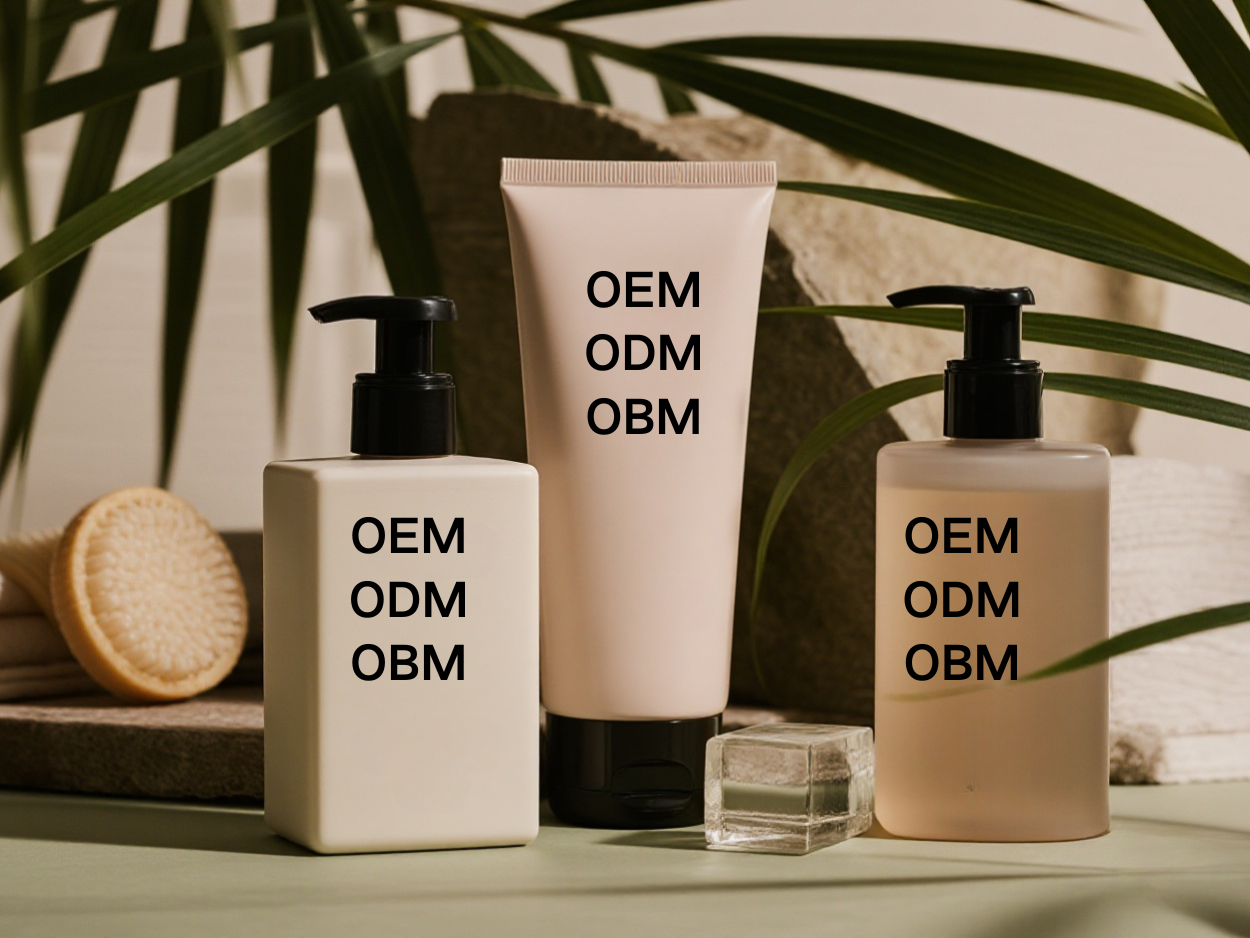
Private Brand Hair Conditioner
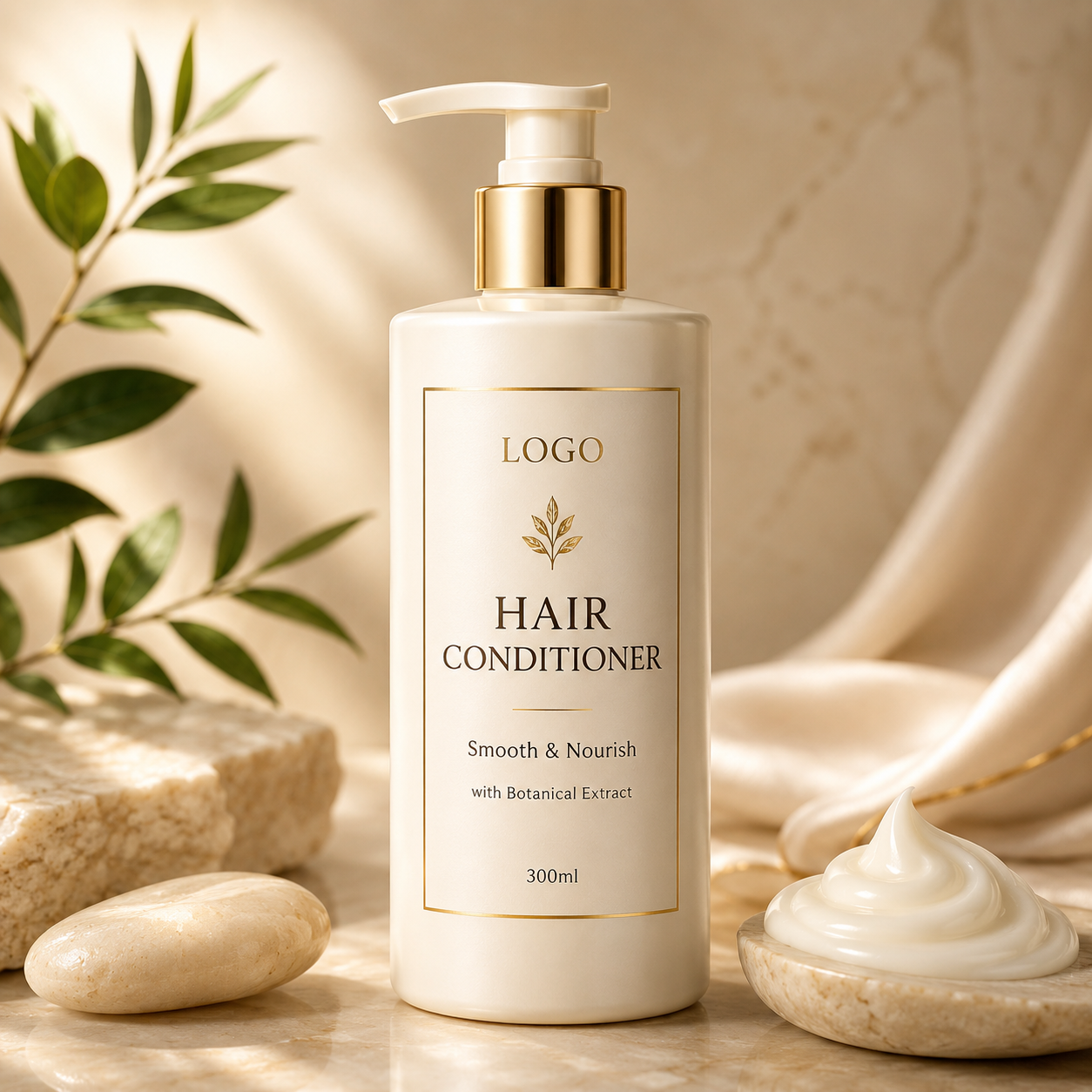
Private Label Hair Conditioner
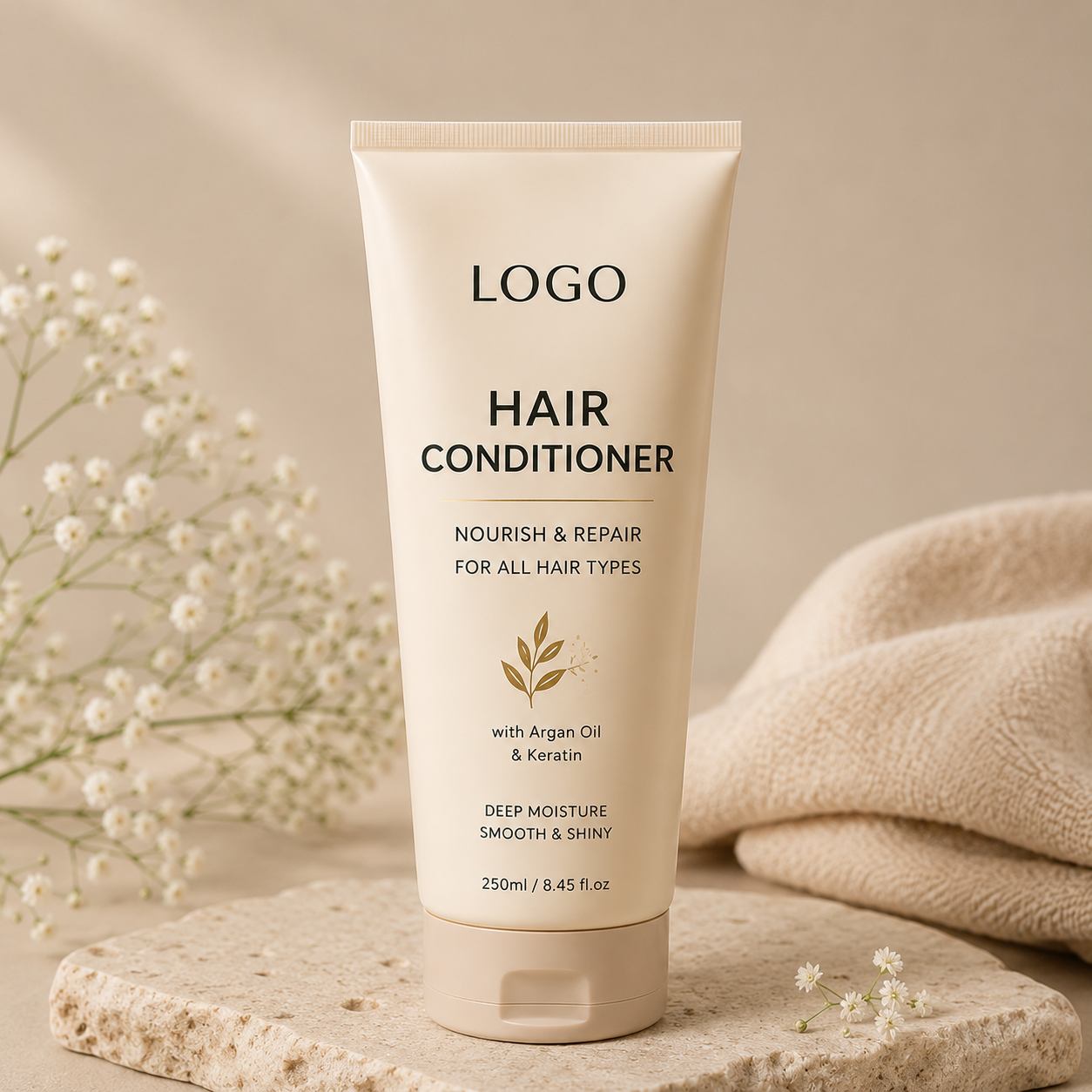
OEM ODM Hair Conditioner
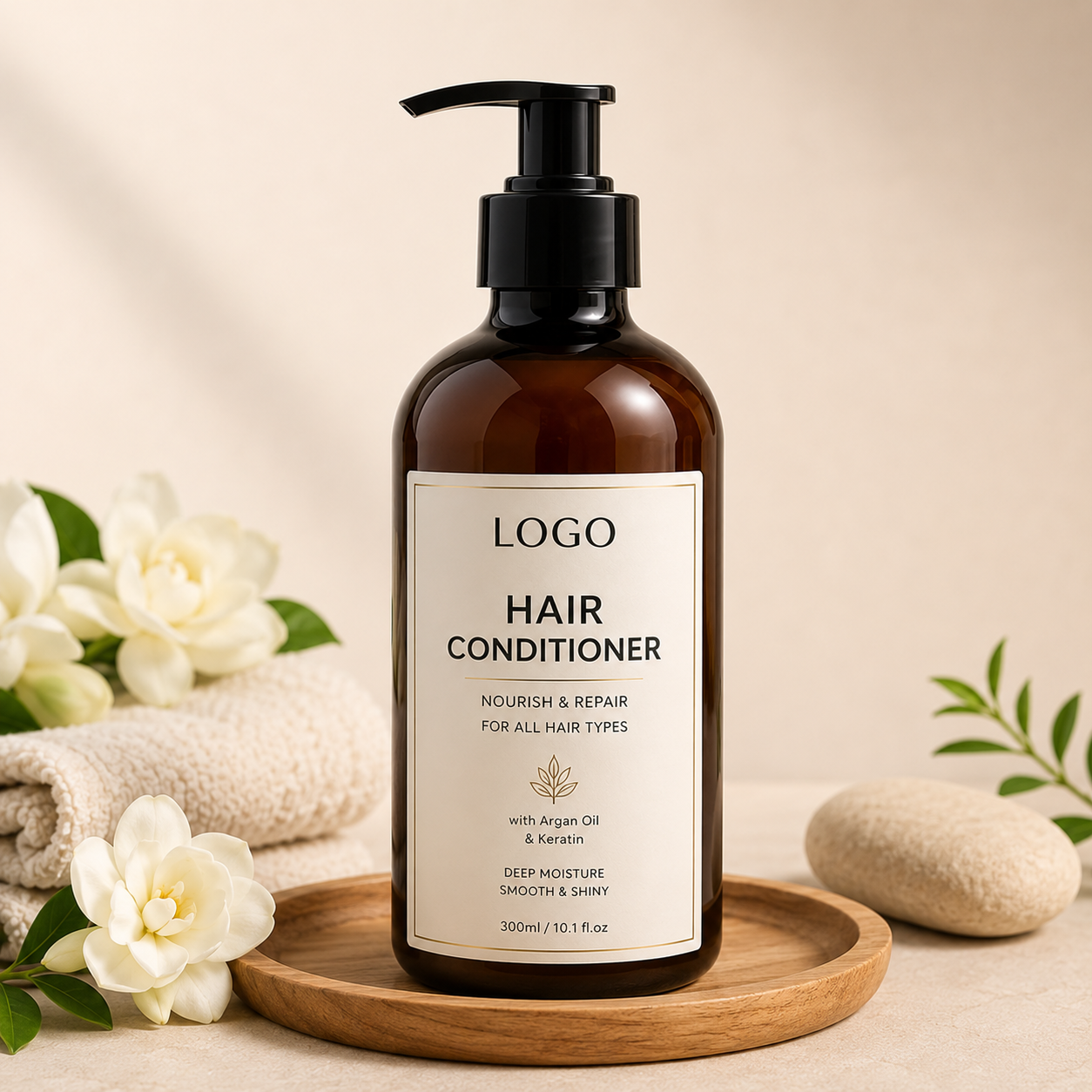
Customized Hair Conditioner

About MOOYAM
MOOYAM focuses on OEM/ODM one-stop service to provide global buyers with safe and efficient skincare products. With experienced formulation development, certified manufacturing, quality control and global service support, we help brands move from product idea to market-ready production.
- Planning
- Proposal
- Trial production
- Formulation determination
- Quotation
- Order
- Manufacturing
- Delivery
The Essential Difference Between Conditioner And Softener
The core function of conditioner is repair and protection. It forms a light protective film on the surface of the hair, neutralizing the negative charges on the hair, reducing static electricity, making the hair easier to comb, and at the same time replenishing the nutrients and moisture needed by the hair.
The core function of a softener is chemical alteration. Most softeners contain strong alkaline components (such as sodium hydroxide and mercaptoacetic acid), which break the disulfide bonds in the hair to forcibly change its natural structure, thereby achieving the effect of softening and straightening.
1. The Risks Of Fake Hair Conditioners
Fake hair conditioners containing softening ingredients, when used over a long period of time, will gradually damage the keratin structure of the hair, leading to the loss of hair elasticity, making it prone to breakage and difficult to maintain its style. Increased porosity, accelerated pigment loss, and rapid hair dyeing and fading. Permanent damage, the cuticles cannot close, and the hair is as dry as straw.
2. Safety Hazards
Genuine hair conditioners do not require special precautions, but products containing softening ingredients.Wear gloves when using: Avoid skin contact. Strictly control the dwell time: prevent excessive damage.Do not touch the scalp: May cause chemical burns.
The Ingredient Characteristics And Identification Methods Of Genuine Hair Conditioners
Core Component Composition
A high-quality conditioner should contain the following safe and effective ingredients:
- Cationic surfactants: behenyltrimethylammonium methyl sulfate, polyquaternary ammonium salts.
- Silicone oils: polydimethylsiloxane, cyclopentadimethylsiloxane.
- Natural oils: Jojoba seed oil, shea butter, macadamia nut seed oil.
- Protein types: hydrolyzed wheat protein, hydrolyzed silk protein.
- Moisturizers: glycerin, panthenol, sodium hyaluronate.
The Method To Identify Genuine Hair Conditioner
- 1. Check the pH value: A genuine conditioner should be weakly acidic (pH 4.5-5.5) to help close the cuticles.
- 2. Check the ingredient list: Avoid components such as sodium hydroxide and mercaptoacetic acid.
- 3. Feeling judgment: After using a genuine conditioner, the hair becomes soft and elastic, rather than abnormally straight and weak.
- 4. Professional Certification: Seek products that have undergone dermatological testing and safety certification.
Considering a private label Skin care brand?
Get started with these 10 must-ask OEM/ODM questions every entrepreneur needs to know.
Are there factories and laboratories that can be visited?
Of course, we support factory inspections.
Do you support exclusive formulation research and development with confidentiality agreements?
Yes, we have a professional R&D team and abide by business secrets.
How to evaluate the R&D strength of OEMs?
Check whether the laboratory configuration has an independent laboratory (not outsourced) and equipment list.
How can OEM help brands with marketing?
Provide finished product shooting material packages and jointly develop clinical test reports.
How long does it take to develop and produce a custom skincare product?
ODM: 4-8 weeks (using existing formulas). OEM: 3-6 months (includes R&D, testing, and production). Factors affecting timeline: Ingredient sourcing, stability testing, and packaging lead time.
How do ensure product safety and quality?
Stability & compatibility test reports (3-6 months). Patch test results (for sensitive skin claims). GMP, ISO 22716, or FDA-certified facilities.
Can customize the packaging with my brand logo?
Yes! Most manufacturers offer: label printing, custom bottle shapes, and eco-friendly options such as PCR plastic, glass, and biodegradable tubes.
Can request samples before bulk production?
Yes, always request samples!
What is the minimum order quantity (MOQ) for private label skincare?
Typically 1,000-5,000 units per product, but some manufacturers offer lower MOQs for startups.
What is the specific OEM cooperation model?
Under the OEM model, the brand provides product formula, production process and packaging design requirements, and the OEM factory produces according to these requirements.
Start Your Hair Conditioner Private Label Project
Share your hair conditioner concept, target market, formula direction, fragrance, packaging style and expected quantity. MOOYAM will help review samples, MOQ, production schedule and next-step requirements.