
10-122026
How to Sell Cosmetics in Australia
An Australian cosmetic launch guide covering classification, ingredient introductions, labels and technical handover.
Read MoreSkincare OEM/ODM manufacturing insights, private label product ideas, packaging guidance, and factory service updates.
An Australian cosmetic launch guide covering classification, ingredient introductions, labels and technical handover.
Read More
Quick Answer: Private label cosmetics for Canada need a product-specific compliance handover, not just a factory certificate. Confirm classification, obtain formula-linked technical […]
Read More
Quick Answer:The Canada Cosmetic Ingredient Hotlist is Health Canada’s administrative tool for communicating prohibited and restricted cosmetic substances. A prohibited entry and […]
Read More
Quick Answer:Canadian cosmetic labeling requirements combine cosmetic-specific rules with consumer packaging rules. For a brand preparing artwork, the key checks are product […]
Read More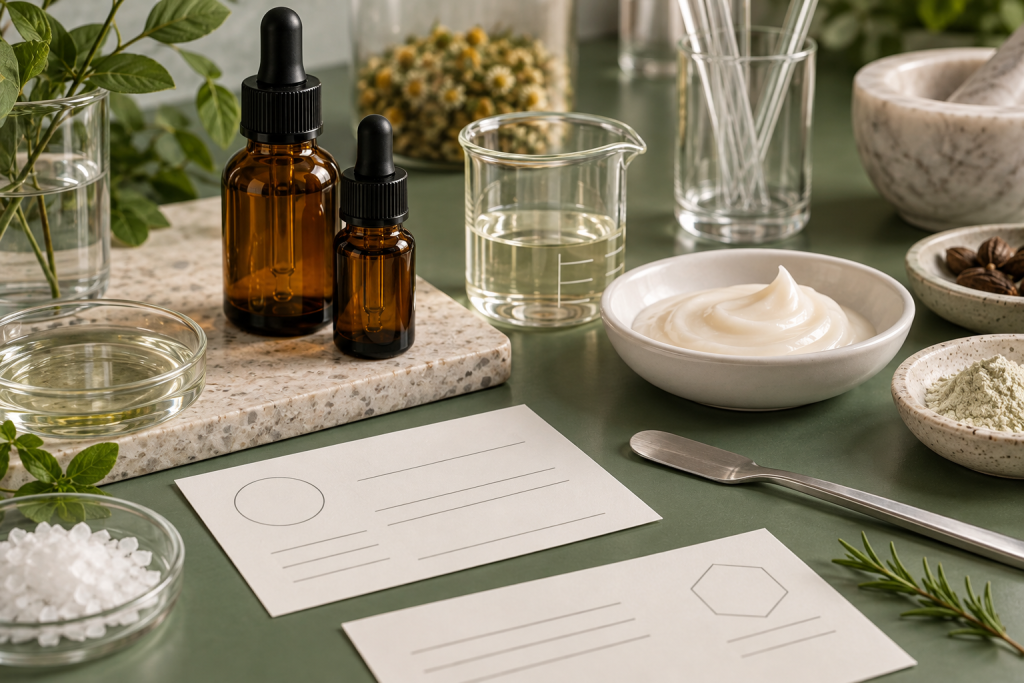
Quick Answer: Health Canada cosmetic requirements concern the finished product’s safety, ingredients, manufacturing conditions, labelling and notification—not one universal approval certificate. The […]
Read More
Quick Answer: A Cosmetic Notification Form (CNF) is the information submitted to Health Canada about a cosmetic sold in Canada. It identifies […]
Read More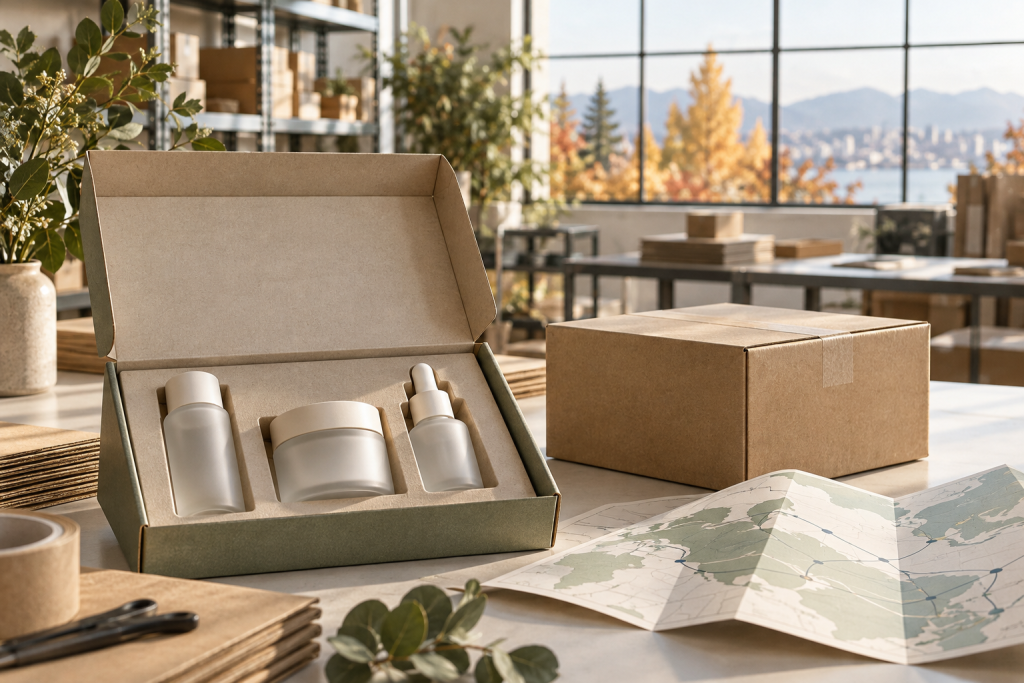
Quick Answer: To sell cosmetics in Canada, first confirm that the product is classified as a cosmetic, then review ingredient safety, manufacturing […]
Read More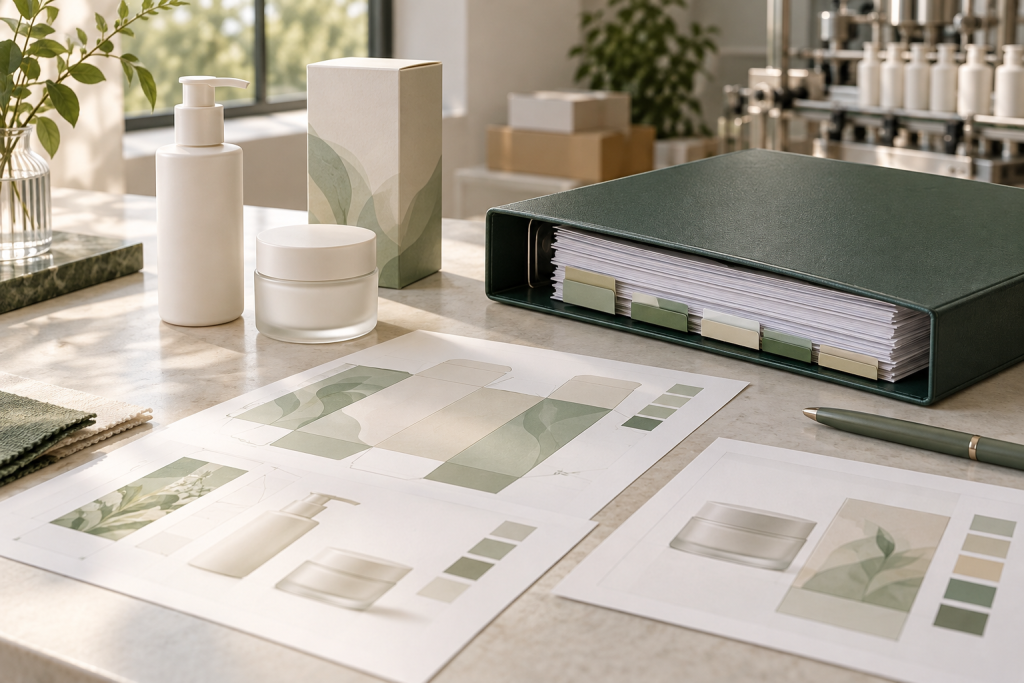
Quick Answer: Private label cosmetics for the UK require more than a supplier’s product catalogue. For Great Britain, arrange a UK-established Responsible […]
Read More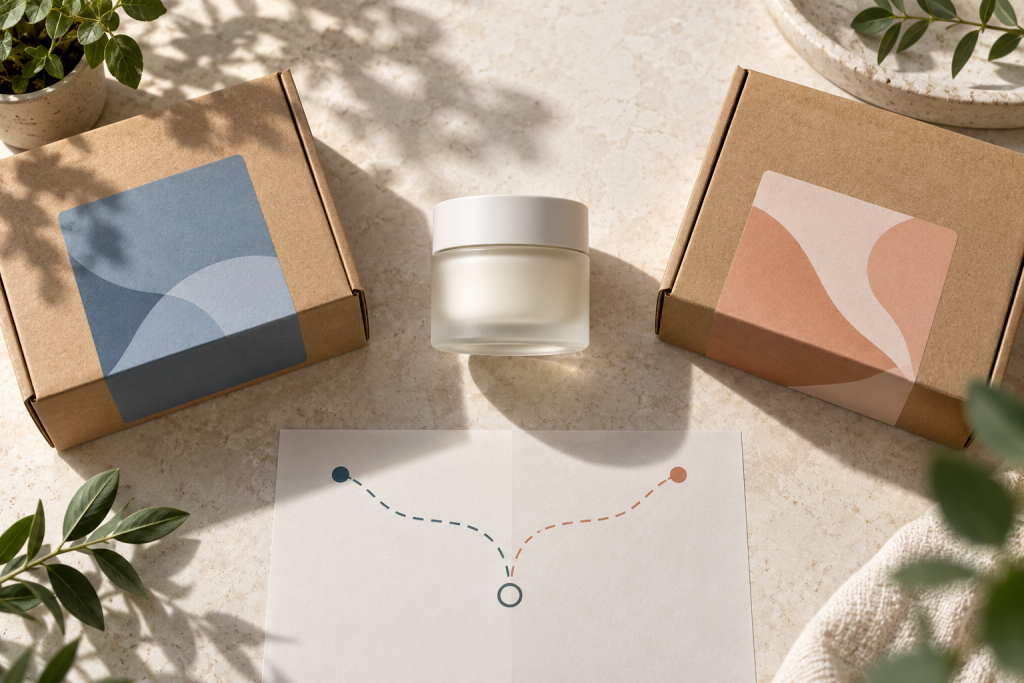
Quick Answer: Yes, the same cosmetic product may be sold in the EU and UK if it meets the requirements of each […]
Read MorePlease contact us and we will reply you as soon as possible.