
Hair care is no longer a side category for many beauty brands. Shampoo, conditioner, hair masks, scalp care, leave-in products, and hair essence can help a brand build a broader routine, increase repeat purchases, and reach salons, Amazon buyers, distributors, and DTC customers with a more complete product line. For B2B buyers, however, hair care OEM manufacturing is different from simply choosing a ready product from a catalog.
This guide explains how overseas brands can work with a cosmetic OEM manufacturer or cosmetic ODM manufacturer to develop private label hair care products, control cost, plan low MOQ launch quantities, source packaging, review samples, and move toward bulk production with practical quality control.
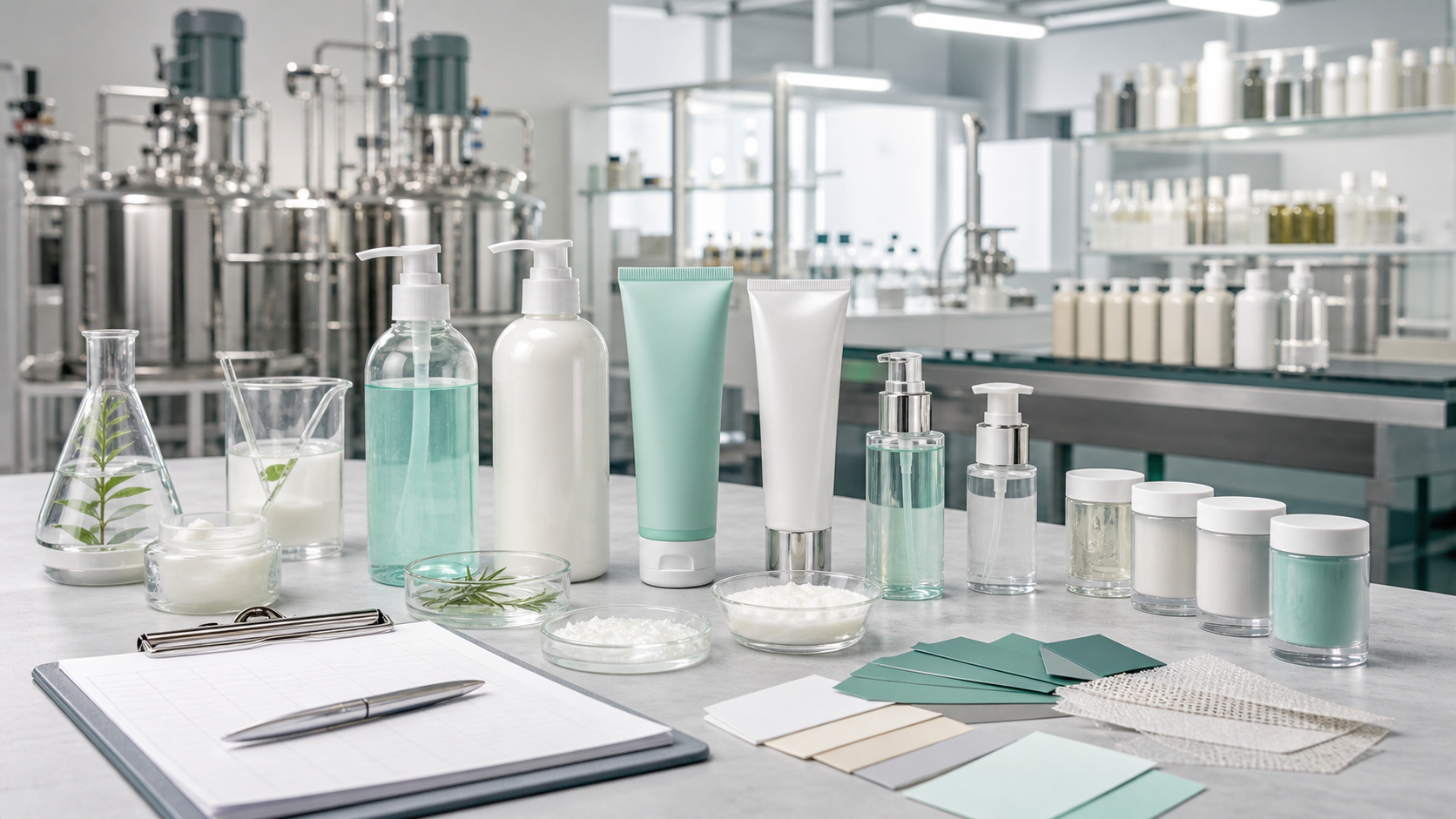
- Hair care OEM manufacturing covers formula development, packaging sourcing, sample development, filling, quality control, and export support for business buyers.
- Brands should define product type, target market, hair feel, fragrance direction, claims, MOQ, packaging format, and launch channel before requesting a quotation.
- Private label hair care can use mature base formulas, adjusted formulas, or custom formulation depending on budget, timing, and differentiation goals.
- Mooyam Cosmetic supports B2B OEM/ODM projects only; we help brands develop and manufacture private label products and do not accept retail orders.
What Hair Care OEM Manufacturing Means
Hair care OEM manufacturing usually means the brand owns the product concept and brand identity while the factory manages technical development and production. Depending on the project, the factory may help with formula direction, lab samples, packaging compatibility, filling, batch records, inspection, and export documents. An ODM route can be faster when a brand wants to start from existing formula concepts and adjust texture, fragrance, packaging, or positioning.
For a new buyer, the most important point is to treat hair care as a manufacturing project, not as a simple product purchase. A shampoo formula has different viscosity, foaming profile, fragrance behavior, and packaging needs than a conditioner, hair mask, or leave-in serum. Even when the category looks familiar, the formula must match the target market, price tier, sales channel, packaging, and allowed claims.
Which Hair Care Products Can Brands Develop?
A practical hair care line can begin with one hero SKU or a small routine. Common projects include shampoo, conditioner, hair mask, hair essence, leave-in cream, scalp care products, and travel-size sets. Some buyers start with a single product to test demand, while distributors and salon brands may request a wider line for retail shelves or professional use.
Mooyam Cosmetic can support hair care projects through OEM/ODM service planning, formula discussion, sample review, packaging coordination, and production support. For brands comparing private label skincare and hair care together, our private label skincare service is also useful for understanding how brand-owned product lines are structured.
| Product Type | Buyer Should Define | Factory Control Point |
|---|---|---|
| Shampoo | Cleansing level, foam feel, fragrance, sulfate-free or mild-positioning direction where relevant. | Viscosity, pH, appearance, fragrance stability, filling performance, bottle compatibility. |
| Conditioner | Slip, rinse feel, conditioning level, hair type positioning, target cost. | Emulsion stability, texture consistency, pump or tube compatibility, microbial control. |
| Hair mask | Richness, application time, jar or tube format, salon or retail positioning. | Texture stability, filling tolerance, packaging sealing, batch-to-batch appearance. |
| Hair essence | Oil, gel, spray, leave-in lotion, fragrance profile, lightweight or nourishing feel. | Formula compatibility, spray/pump function, leakage checks, finished goods inspection. |
OEM, ODM, and Private Label Choices
OEM for Brand-Owned Product Ideas
OEM is suitable when your team already has a clear product concept, benchmark, ingredient direction, or formula requirement. The factory helps turn that brief into a manufacturable product. If you have your own formula, the review should include ingredient availability, production feasibility, compatibility with local equipment, target market restrictions, and whether any changes are needed before scale-up.
ODM for Faster Development
ODM is usually better when timing is important and the brand wants to start from proven formula directions. A cosmetic ODM manufacturer can suggest textures, packaging formats, and claim directions that are easier to commercialize. This does not mean every product looks the same. A buyer can still adjust fragrance, texture, active positioning, packaging, and design within practical boundaries.
Private Label for Market Testing
Private label hair care is useful for startups, Amazon sellers, salons, and distributors that need a faster first launch. Low MOQ options may be possible when the formula and packaging use existing materials, while more customized projects generally need higher planning quantities. The right route depends on differentiation, timeline, packaging, and available launch budget.
Key Factors Before Requesting a Quotation
A supplier can give a better quotation when the brief is specific. At minimum, buyers should prepare the product type, target market, desired formula direction, packaging format, estimated order quantity, artwork status, sales channel, and any benchmark product. For custom formulation, it is useful to share desired texture, fragrance level, hair feel, ingredient preferences, and claims that must be avoided in the destination market.
Mooyam Cosmetic supports custom formulation when a brand needs a more differentiated product, and we can help evaluate customized packaging options such as bottles, tubes, jars, pumps, sprayers, labels, boxes, and cartons. Packaging decisions affect MOQ, lead time, unit cost, leakage risk, and shelf presentation, so they should be discussed early rather than after formula approval.
| Decision Area | Why It Matters | What to Prepare |
|---|---|---|
| Target market | Ingredient, label, and claim expectations vary by country and channel. | Country list, sales platform, language needs, restricted wording concerns. |
| Formula direction | Texture and performance goals shape raw materials, sample timing, and cost. | Benchmark, desired hair feel, fragrance preference, ingredient avoid list. |
| MOQ and budget | Low MOQ may fit a test launch, but custom packaging or exclusive formula work can increase setup needs. | Forecast, launch quantity, reorder plan, target unit cost. |
| Packaging | Pumps, tubes, jars, and bottles each affect filling, shipping, and customer experience. | Preferred capacity, material, decoration method, carton plan. |
| Quality control | Hair care products need consistent appearance, texture, odor, filling, and packaging performance. | Testing expectations, inspection standard, retained sample needs. |
Sample Development and Bulk Production Workflow
The usual workflow begins with a project brief and feasibility review. The factory then prepares samples based on a base formula, adjusted formula, or custom formulation route. Buyers should test the sample for texture, fragrance, rinsing feel, residue, packaging fit, and alignment with their brand positioning. Several adjustment rounds may be needed before approval.
After the sample is approved, the project moves to packaging confirmation, artwork proofing, pre-production checks, raw material preparation, filling, inspection, and packing. During bulk production, quality control can include raw material review, pH and viscosity checks, appearance and odor review, filling weight checks, packaging inspection, batch records, retained samples, and finished carton review. Export support may include commercial invoice, packing list, COA, MSDS, and other documents depending on destination market and buyer requirements.
Buyer Checklist for Hair Care OEM Projects
- Define whether the first launch should be shampoo, conditioner, hair mask, hair essence, or a small routine.
- Confirm target market requirements before approving claims, labels, warnings, or ingredient positioning.
- Prepare benchmark products and explain what you like or dislike about texture, fragrance, hair feel, and packaging.
- Decide whether the project needs low MOQ testing, standard packaging, or a more customized formula and package.
- Ask about sample development lead time, artwork deadlines, packaging sourcing options, testing scope, and bulk production schedule.
- Review quality control expectations before placing the order, especially for viscosity, leakage, packaging appearance, and shipment packing.
Common Mistakes to Avoid
One common mistake is choosing packaging before confirming formula behavior. A thick conditioner may not work well with a narrow pump, while a low-viscosity hair essence may need careful spray or pump selection. Another mistake is making aggressive performance or scalp-related claims without checking the rules of the target market. Cosmetic requirements vary by country, and claims should be reviewed before artwork is printed.
Buyers should also avoid focusing only on the lowest price. A reliable hair care program depends on sample accuracy, raw material control, packaging sourcing, communication, inspection, and realistic lead time. A very cheap quotation can become expensive if samples keep changing, packaging leaks, or the product cannot pass the buyer’s channel requirements.
Work With Mooyam Cosmetic
Looking for a reliable cosmetic OEM/ODM manufacturer for your hair care or private label skincare project? Mooyam Cosmetic can help with product planning, custom formulation, low MOQ review, packaging sourcing, sample development, bulk production, quality control, and export support. Review our quality control and compliance guidance, then contact us to discuss your formula requirements, packaging options, MOQ, and production solution. We serve brand and wholesale OEM/ODM buyers only and do not accept retail orders.
FAQ
What is hair care OEM manufacturing?
It is a B2B cooperation model where a factory helps a brand manufacture products such as shampoo, conditioner, hair mask, or hair essence under the brand’s own identity.
Can a startup launch hair care with low MOQ?
Low MOQ may be possible when using practical formula and packaging choices. Highly customized formulas, exclusive packaging, or multi-SKU launches usually need a higher planning quantity.
Is ODM faster than custom formulation?
Often yes. ODM can start from existing formula directions, while custom formulation needs more sample rounds, compatibility checks, and approval time.
What information should I send before asking for a quote?
Send product type, target market, desired texture, packaging format, order estimate, claims direction, benchmark products, and launch timeline.
Can Mooyam help with packaging sourcing?
Yes. Packaging sourcing can include bottles, tubes, jars, pumps, sprayers, labels, boxes, and export cartons depending on the project.
What quality checks are important for hair care products?
Common checks include appearance, odor, pH, viscosity, microbial control where required, filling weight, packaging function, leakage, and finished goods inspection.
Does Mooyam sell retail hair care products?
No. Mooyam Cosmetic supports OEM/ODM manufacturing for brands, distributors, salons, and wholesale business buyers only.