Hyaluronic acid serum is one of the easiest skincare ideas to understand, but it is not always easy to manufacture well. Overseas buyers often ask for a hydrating serum that feels light, layers smoothly, looks premium, and can be produced at a practical MOQ. The challenge is turning that simple product idea into a stable, pleasant, export-ready item with the right formula, packaging, sample approval process, and quality control plan.
Mooyam Cosmetic supports brand owners through cosmetic OEM/ODM manufacturing services, including private label skincare, custom formulation, packaging sourcing, sample development, bulk production, quality control, and export support. We work with business buyers, distributors, Amazon sellers, DTC brands, and skincare startups; we do not accept retail orders.
- Hyaluronic acid serum can fit hydration, barrier-support, sensitive-skin, clean-feel, and starter private label skincare lines.
- The key decisions are molecular weight direction, humectant blend, texture, preservative system, packaging compatibility, MOQ, and testing scope.
- Buyers should approve real samples, not only formula descriptions, because viscosity, tack, absorption, and pump or dropper behavior affect customer experience.
- Mooyam Cosmetic can help B2B buyers move from product brief to sample development, packaging selection, bulk production, and export support.
Why Hyaluronic Acid Serum Works for Many Beauty Brands
A hyaluronic acid serum is a practical first product because the positioning is clear for many markets: hydration, a plumper-looking skin feel, lightweight layering, and daily routine compatibility. It can be sold as a single hero serum, part of a starter skincare line, a sensitive-skin range, or a low MOQ launch for a new brand testing demand before scaling inventory.
For procurement teams, the appeal is also operational. The product can usually be developed in a clean water-gel or light serum format, paired with dropper or pump packaging, and adapted for different price tiers. However, a simple ingredient story does not remove the need for careful development. If the serum is sticky, strings from the dropper, pills under cream, leaks in transit, or has weak preservation, the brand may face complaints even if the ingredient list looks attractive.
Define the Product Route Before Requesting Samples
Before asking a cosmetic OEM manufacturer for samples, the buyer should define the commercial route. A low-cost starter serum, a premium multi-weight HA serum, a soothing sensitive-skin serum, and a hydrating ampoule for salon or spa channels are different projects. They may require different viscosities, active blends, packaging formats, and artwork claims.
For brands that want speed, private label skincare options can help shorten the development path because the factory can start from proven base concepts and adjust texture, fragrance, packaging, and brand presentation. For brands that want a more distinctive product, custom formulation support can build a formula around target texture, ingredient restrictions, market preferences, and price position.
Formula Decisions That Affect the Finished Product
Molecular Weight and Humectant System
Buyers often ask for high, low, or multi-weight hyaluronic acid. These terms should be translated into a practical formula brief rather than used as decoration. The factory should explain the planned humectant system, supporting ingredients, expected skin feel, viscosity, and claim boundary. Glycerin, betaine, panthenol, sodium PCA, polysaccharides, or botanical water phases may be considered depending on target cost and texture, but more ingredients do not automatically make a better product.
Texture, Tack, and Layering
Texture is the biggest difference between an average HA serum and a product that customers will repurchase. During sample development, the buyer should test spread, absorption, tack after one minute, performance under moisturizer, and whether the formula rolls or pills under sunscreen or makeup. A serum for humid Southeast Asian markets may need a very light finish, while a winter hydration product for Europe or North America may accept more cushion.
Preservation and pH Control
Water-based serum requires suitable preservation and manufacturing hygiene. The formula should be checked for pH, viscosity, appearance, odor, color, microbial control, and compatibility with the chosen packaging. If the buyer requests a restricted ingredient list, fragrance-free positioning, or market-specific exclusions, the factory needs that information early because it may affect stability, preservation, and cost.
| Decision Area | Buyer Should Define | Factory Should Control |
|---|---|---|
| Positioning | Starter hydration serum, premium multi-weight HA serum, sensitive-skin serum, or skincare set item. | Formula route, target texture, suitable claims, and sample comparison plan. |
| Texture | Watery, gel-serum, ampoule, cushion serum, fragrance-free, or lightly fragranced. | Viscosity, spread, tack, absorption, pilling risk, filling behavior, and batch consistency. |
| Packaging | Dropper bottle, airless pump, pump bottle, mini vial, carton, label, or travel-size pack. | Compatibility, leakage, dose control, label adhesion, carton fit, and export packing strength. |
| MOQ and cost | Launch quantity, reorder plan, price tier, packaging budget, and channel margin. | Raw material sourcing, packaging sourcing, production scheduling, and costed quotation. |
| Quality checks | Target market, claims, artwork language, and testing expectation. | Microbial testing, stability monitoring, filling weight, appearance inspection, and retained samples. |
Packaging Choices for Hyaluronic Acid Serum
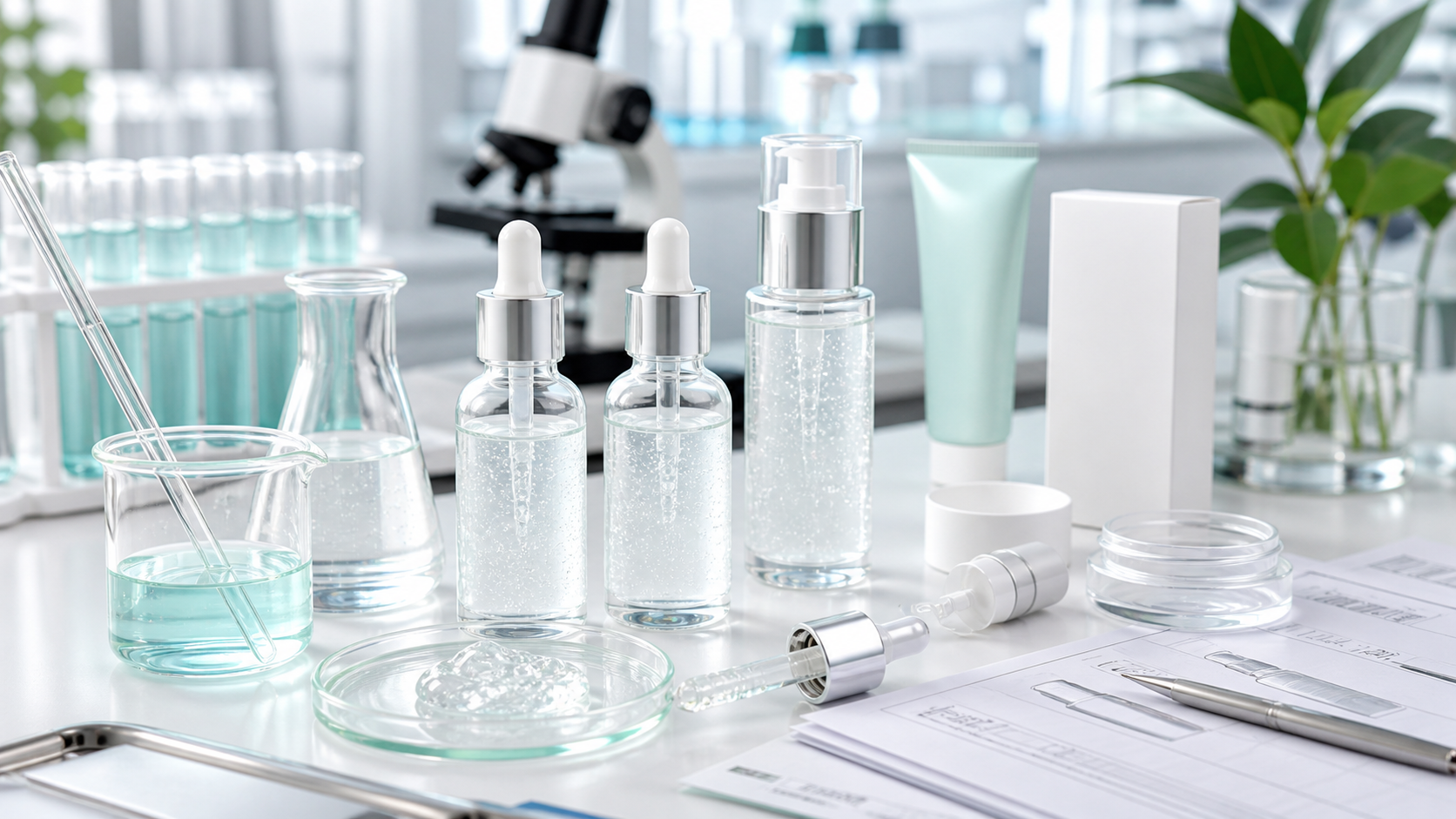
Packaging affects both brand image and production practicality. Clear glass dropper bottles can show the serum texture, but they may increase shipping weight and breakage risk. Airless pumps can feel more premium and reduce direct user contact with the formula, but pump compatibility and MOQ may increase cost. Plastic pump bottles or mini vials can support starter sets, sampling, and lower freight pressure.
Mooyam Cosmetic helps buyers review custom cosmetic packaging options such as bottle type, cap, pump, dropper, label area, carton structure, surface finish, and export carton requirements. Packaging should be confirmed before final stability checks because a formula that looks stable in a lab beaker still needs to perform in the actual bottle or pump selected for production.
Suggested OEM/ODM Workflow
A strong project starts with a short but complete brief. The buyer should share target market, sales channel, ingredient preferences, benchmark texture, packaging references, price target, MOQ expectation, launch timing, and any claim or artwork limitations. The factory can then recommend whether to use a stock base, adjusted private label route, or custom formulation path.
After first samples, feedback should be specific. Instead of saying ?make it better,? the buyer should comment on viscosity, absorption speed, tack, fragrance level, finish, color, pump dose, label appearance, and routine compatibility. Once the sample is approved, the team should lock formula, packaging, artwork, testing plan, production quantity, and shipping requirements before bulk production begins.
Buyer Checklist Before Placing an Order
- Define the target customer, country or region, sales channel, and price tier.
- Choose whether the project is private label, adjusted base formula, or full custom formulation.
- Prepare benchmark samples for texture direction without asking the manufacturer to copy another brand.
- Confirm target pack size, bottle type, pump or dropper style, carton structure, and decoration method.
- Ask for MOQ, sample lead time, packaging lead time, production lead time, and reorder planning.
- Review formula claims, artwork wording, ingredient restrictions, and target-market requirements before printing.
- Confirm quality control documents, retained samples, filling weight standards, and export packing expectations.
Quality and Export Points to Confirm
For a serum project, quality control and compliance checks may include raw material review, production batch records, appearance checks, pH, viscosity, microbial testing, stability observation, packaging compatibility, filling weight, label placement, and finished goods inspection. The exact testing and document scope can vary by target market, product type, claims, and importer requirements.
Export support should also be discussed early. Carton marks, shipment documents, product information, packing method, and destination-market expectations can affect the final schedule. A professional cosmetic ODM manufacturer should help the buyer understand what information is needed before production, while avoiding unsupported regulatory promises.
Work With Mooyam Cosmetic
Looking for a reliable cosmetic OEM/ODM manufacturer for a hyaluronic acid serum or a complete hydration line? Mooyam Cosmetic can support formula selection, sample development, low MOQ planning, packaging sourcing, bulk production, quality control, and export coordination for business buyers. Contact us with your target market, formula requirements, packaging preference, MOQ, and launch timeline so we can recommend a practical OEM/ODM solution.
FAQ
Can hyaluronic acid serum be made as a low MOQ private label product?
Yes. Many HA serum projects can start with a low MOQ private label route, depending on formula selection, packaging availability, decoration method, and production schedule.
Is a multi-weight hyaluronic acid serum always better?
Not always. Multi-weight positioning can be useful, but the finished product still needs good texture, stability, preservation, packaging compatibility, and responsible claims.
Which packaging is best for HA serum?
Droppers, airless pumps, pump bottles, and mini vials can all work. The best choice depends on viscosity, price tier, brand style, leakage risk, MOQ, and shipping plan.
How long does sample development usually take?
Timing depends on formula complexity, packaging selection, revision rounds, and testing needs. Buyers should confirm sample and packaging lead times before setting a launch date.
Can Mooyam Cosmetic help with packaging sourcing?
Yes. Mooyam Cosmetic can help compare bottles, pumps, droppers, cartons, labels, decoration methods, and export packing options for B2B projects.
What information should I send before requesting a quote?
Send target market, product concept, texture benchmark, ingredient preferences, packaging idea, pack size, expected MOQ, artwork timing, and any claim or compliance restrictions.
Does Mooyam Cosmetic sell finished serum to individual consumers?
No. Mooyam Cosmetic is an OEM/ODM manufacturing partner for brand owners, distributors, and wholesale business clients. We do not accept retail orders.