
Sunscreen is one of the most attractive but most demanding product categories for beauty brands. Buyers see strong consumer demand, routine-building potential, and opportunities for tubes, sticks, sprays, creams, and hybrid skincare formats. At the same time, sunscreen products require careful formula planning, claim control, testing expectations, labeling review, and market-specific compliance. A brand should not approach sunscreen like a simple moisturizer.
This guide explains what beauty brands should know before launching sunscreen products with a cosmetic OEM/ODM manufacturer. It is written for overseas B2B buyers, private label skincare brands, Amazon and DTC sellers, distributors, and sourcing managers. Mooyam Cosmetic supports B2B OEM/ODM projects only and does not accept retail orders.
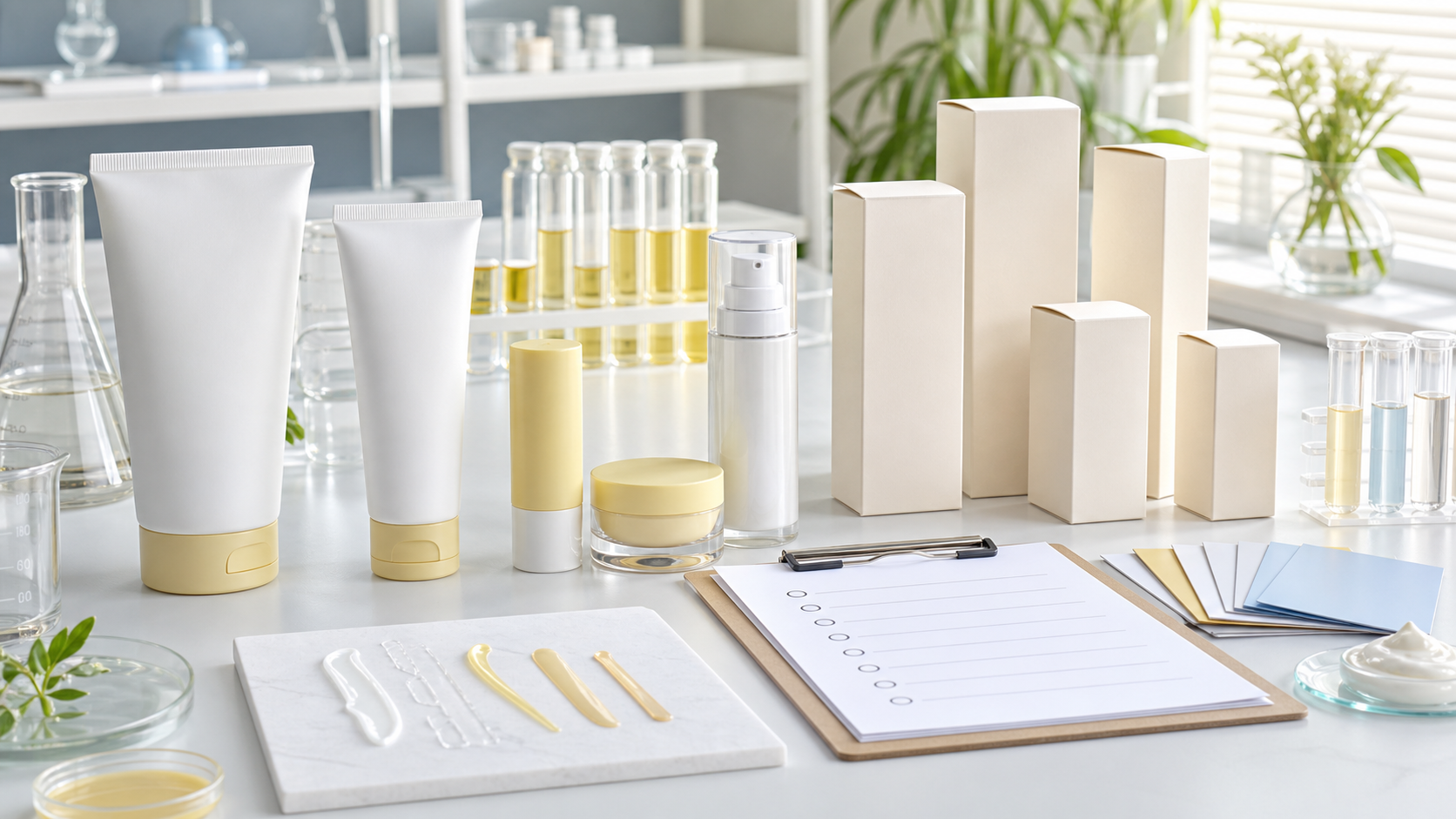
- Sunscreen launches require early decisions about target market, product format, claims, packaging, testing, and documentation.
- Requirements vary widely by destination market, so buyers should confirm regulatory classification before artwork or marketing approval.
- Formula texture, UV filter system, packaging compatibility, stability, and user experience all affect launch feasibility.
- A reliable cosmetic OEM manufacturer should explain development steps, quality control, MOQ, sample approval, and export support without promising automatic regulatory approval.
Why Sunscreen Needs More Planning Than Standard Skincare
A cleanser, toner, or moisturizer can often be developed as a cosmetic product with relatively straightforward claim boundaries. Sunscreen is different because UV protection claims may be regulated in special ways depending on the target market. In some regions, sunscreen is treated as a cosmetic. In others, certain sunscreen claims or formats may fall under drug, OTC, therapeutic, or other regulated categories. The exact requirements depend on the country, active filters, claims, labeling, testing, and importer responsibilities.
This does not mean brands should avoid sunscreen. It means the launch plan should be disciplined. Before requesting samples, define where the product will be sold, what protection claims are expected, which format is desired, what documentation may be needed, and who will handle market-specific regulatory review.
Choose the Sunscreen Format Carefully
Sunscreen can be developed in several formats, including cream, lotion, gel-cream, stick, spray, balm, tone-up product, primer-like product, or skincare hybrid. Each format has different formula challenges, packaging requirements, and consumer expectations. A lightweight face lotion may need elegant skin feel and low white cast. A body tube may focus on spreadability and value. A stick may need payoff control, heat stability, and packaging function.
| Format | Buyer Goal | Development Focus |
|---|---|---|
| Face lotion or cream | Daily skincare routine and DTC hero SKU | Texture, appearance, compatibility with makeup, packaging and claim review. |
| Sunscreen stick | Portable touch-up format | Stick hardness, glide, heat stability, package mechanism and fill control. |
| Body sunscreen | Family, travel, sports or distributor channel | Spreadability, fill size, tube strength, cost and carton packing. |
| Hybrid skincare sunscreen | Beauty-led positioning | Ingredient story, cosmetic claim limits, market-specific classification review. |
Regulatory and Claim Boundaries Come First
Before discussing fragrance, texture, or packaging decoration, the buyer should decide the target markets. Sunscreen requirements can differ between the United States, European Union, United Kingdom, Australia, Southeast Asia, the Middle East, and other regions. Ingredient filters, SPF testing, broad-spectrum language, water resistance, label claims, warnings, and responsible party details may all require review.
A cosmetic ODM manufacturer can help with development and manufacturing support, but it should not promise universal approval. Buyers should confirm local requirements with their regulatory consultant, importer, or authorized representative. Mooyam Cosmetic can support quality control and compliance planning by preparing product information and production records where appropriate, but final market approval depends on the buyer’s destination market and claim strategy.
Private Label, OEM, or Custom Formulation?
Some buyers ask whether sunscreen can be developed as a quick private label product. The answer depends on the market and the product requirements. A private label route may be practical when the formula, claims, and destination market are aligned. A custom route may be needed when the brand wants a special texture, tint, stick format, ingredient story, or packaging system.
For private label skincare, clarify what claims and documentation are attached to the existing formula. For custom formulation, expect more feasibility work, sample development, stability review, and testing discussion. Sunscreen projects should not be rushed into artwork or influencer copy before formula and claim assumptions are confirmed.
Packaging Decisions Affect Stability and User Experience
Sunscreen packaging must protect the formula, dispense the right amount, support the texture, and survive shipping. Tubes are common for lotions and creams because they are practical and portable. Airless pumps may suit premium face formulas but need compatibility checks. Sticks require a mechanism that works with the formula’s melting point and hardness. Sprays can involve additional filling and market restrictions, so they need careful planning.
Packaging also affects MOQ and cost. A custom cap color, special tube decoration, airless component, or carton set can increase minimums and lead time. Buyers should review customized packaging options with the manufacturer before locking the launch date.
Sample Development and Testing Expectations
Sunscreen samples should be evaluated for texture, spreadability, residue, fragrance, pilling, whitening appearance, packaging flow, and stability. Depending on the target market and claims, SPF or protection-related testing may be required through qualified testing channels. Buyers should discuss timing and responsibility for these tests early because testing can affect launch schedules.
For OEM/ODM manufacturing projects, sample approval should be connected to the final packaging and final claim plan. A formula that feels good in a lab jar may behave differently in a tube, pump, or stick. The approved production standard should include the final package, fill weight, appearance, and quality control expectations.
| Project Step | Key Buyer Decision | Risk if Ignored |
|---|---|---|
| Target market selection | Where the sunscreen will be sold | Wrong claims, ingredients, warnings, or documentation path. |
| Formula route | Private label, modified base, or custom formula | Unrealistic timeline, cost, or performance expectations. |
| Packaging match | Tube, pump, stick, jar or other format | Leakage, poor dispensing, instability, or user dissatisfaction. |
| Testing plan | What tests are required and who arranges them | Launch delay, rejected claims, or incomplete importer preparation. |
| Bulk production | Approved standard, MOQ and shipment plan | Inconsistent fill, packaging defects, or unclear QC records. |
Cost, MOQ, and Timeline Considerations
Sunscreen can require more development time than standard skincare because formula feasibility, packaging compatibility, stability, and testing planning all need attention. MOQ depends on the formula batch, packaging components, decoration, and product format. A stick, tube, and airless pump may have very different practical minimums even when the formula concept is similar.
Startups should ask for realistic options instead of forcing an unrealistic first order. A simpler package, standard component, or focused SKU can reduce risk. Larger distributors may prioritize supply stability, carton strength, repeat order planning, and export support. Mooyam Cosmetic can help buyers review low MOQ routes where practical, but the final plan must fit formula and packaging realities.
Buyer Checklist Before Launching Sunscreen
- Confirm the target market before formula sampling, claims, or artwork approval.
- Decide product format: face lotion, body tube, stick, balm, or hybrid skincare product.
- Clarify whether the route is private label, modified formula, or custom formulation.
- Ask what testing, documentation, warnings, and label review may be required for your market.
- Check packaging compatibility, leakage, fill weight, heat stability, and carton strength.
- Separate formula MOQ, packaging MOQ, decoration MOQ, and finished goods quantity.
- Keep marketing claims realistic and avoid approval promises unless verified for the market.
- Plan export documents, shipment timing, and importer responsibilities before production.
Preparing a sunscreen product for your beauty brand? Mooyam Cosmetic can support formula route review, private label skincare options, custom formulation, packaging sourcing, sample development, MOQ planning, bulk production, quality control, and export support. Contact us to discuss your sunscreen OEM/ODM project.
FAQ
Can a cosmetic manufacturer help develop sunscreen products?
Yes, a cosmetic OEM/ODM manufacturer can support formula development, packaging, sampling, production, QC, and export preparation. Market-specific regulatory review still needs to be confirmed.
Is sunscreen regulated the same way in every country?
No. Sunscreen requirements vary by target market, claim, formula, and product format. Buyers should confirm rules before approving labels or marketing copy.
Can I launch sunscreen as a private label product?
It may be possible when an existing formula, claims, and target market are aligned. Ask what documentation and testing assumptions are connected to the formula.
What packaging is common for sunscreen?
Tubes, airless pumps, sticks, and bottles are common. The best choice depends on formula viscosity, format, user experience, MOQ, and shipping needs.
Does sunscreen require special testing?
Protection-related claims may require specific testing depending on the market. Discuss testing responsibility and timeline before finalizing launch plans.
What causes sunscreen launch delays?
Common delays include unclear target market, unfinished claims review, packaging incompatibility, slow sample feedback, testing timelines, and artwork revisions.
Can Mooyam Cosmetic guarantee regulatory approval?
No manufacturer should make a universal approval promise. Mooyam Cosmetic can support manufacturing records and quality planning, while final requirements depend on the buyer’s market and regulatory pathway.