2026 – 8 января, 28 января
Пример из практики: разработка индивидуальной упаковки для бренда средств по уходу за кожей.
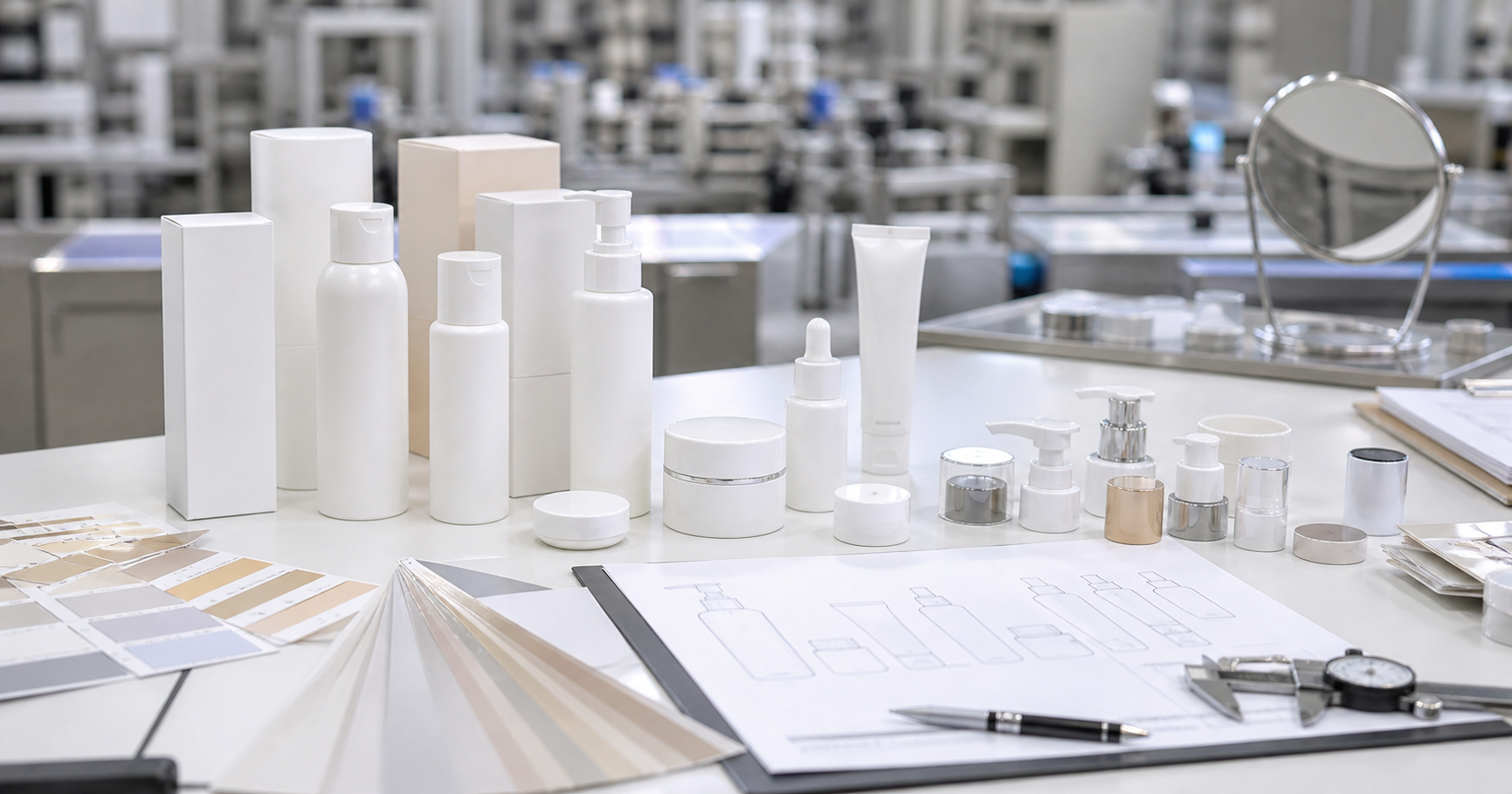
Изменение упаковки может определить, будет ли запуск косметического продукта выглядеть премиально, безопасно ли он будет транспортироваться и будет ли соответствовать ожиданиям покупателя на первом этапе производства. В этом анонимном тематическом исследовании растущий бренд косметики хотел перейти от простой концепции собственной торговой марки к более оригинальной, готовой к розничной продаже презентации, не создавая при этом проблем с минимальным объемом заказа упаковки, протечками, дизайном или стоимостью.
В этой статье показано, как производитель косметической продукции по OEM-заказам может поддержать проект по изготовлению индивидуальной упаковки, начиная с краткого обзора и заканчивая утверждением образцов и массовым производством. Подробности изложены в обобщенном виде в целях конфиденциальности, но описанный рабочий процесс отражает типичные решения в сфере B2B, с которыми сталкиваются зарубежные косметические бренды, продавцы на Amazon, команды прямых продаж потребителям и дистрибьюторы при закупке упаковки для средств по уходу за кожей у OEM/ODM-фабрики. Компания Mooyam Cosmetic поддерживает только брендовые и оптовые проекты; мы не принимаем розничные заказы.
- Бренду требовалась модернизированная упаковка для средств по уходу за кожей, при этом необходимо было обеспечить практичность запуска продукта для производства с низким минимальным объемом заказа.
- Проект включал проверку совместимости упаковки и смесей, выбор вариантов оформления, планирование картонной упаковки, проверку макетов и обеспечение защиты при транспортировке.
- Компания Mooyam Cosmetic помогла сравнить варианты поставщиков упаковки, образцы компонентов, точки контроля качества и потребности в экспортной упаковке.
- В итоге было найдено оптимальное решение, учитывающее внешний вид бренда, надежность производства, минимальный объем заказа, стоимость и сроки производства.
Описание проекта: Улучшенная комплексная разработка без излишней сложности.
У покупателя было четкое представление о направлении развития продукта: небольшая линейка средств по уходу за кожей, включающая очищающее средство, тоник, сыворотку и крем. Формулы не были главной проблемой. Команде нужна была упаковка, которая выглядела бы целостно, подходила бы для презентаций дистрибьюторам и была бы реалистичной для первого заказа. В качестве первоначальных вариантов рассматривались матовые флаконы, безвоздушные дозаторы, картонные коробки с печатью и премиальные крышки, но не все эти идеи соответствовали бюджету и срокам запуска.
This is a common point where custom cosmetic packaging projects lose momentum. A brand may collect attractive packaging references from retail shelves, but each component has a different MOQ, decoration method, tooling cost, lead time, and compatibility requirement. A good cosmetic ODM manufacturer should not simply quote every option. The better role is to separate must-have choices from nice-to-have upgrades before sampling begins.
The Main Packaging Challenge
The buyer wanted a more premium appearance than basic white packaging, but the product line still needed a manageable first order quantity. The serum needed a dispensing system that fit the viscosity and minimized leakage. The cream jar needed a liner and cap combination that felt solid but did not push the whole project into a high custom mold MOQ. The toner needed a bottle shape with enough label area for market information, batch details, and multilingual planning.
Mooyam Cosmetic reviewed the project as a complete OEM/ODM service rather than as isolated packaging pieces. That meant connecting formula behavior, packaging sourcing, artwork timing, quality control, filling method, carton structure, and export support in one plan.
| Packaging Decision | Buyer Goal | Factory Control Point |
|---|---|---|
| Serum bottle | Premium look with controlled dispensing. | Dropper or pump compatibility, leakage check, fill weight tolerance, and oxidation exposure. |
| Toner bottle | Clean shelf presence and enough label space. | Bottle material, cap torque, label adhesion, decoration MOQ, and carton fit. |
| Cream jar | Retail-ready appearance without excessive custom mold cost. | Jar wall thickness, inner liner, closure match, formula contact surface, and shipping protection. |
| Outer carton | Cohesive brand range and safer export handling. | Paper grade, insert need, barcode area, batch code position, and compression resistance. |
| Decoration method | Distinctive brand presentation. | Label, silk screen, hot stamping, color coating, lead time, MOQ, and proof approval. |
How the Solution Was Developed
Step 1: Build a Practical Packaging Shortlist
The first step was to reduce the number of options. Instead of testing every bottle and jar style, the team compared packaging by formula fit, MOQ, visual consistency, cost level, and lead time. Stock components with custom labels were used where speed mattered. More customized decoration was reserved for components that had strong shelf impact and enough order volume to justify the setup.
This approach helped the buyer avoid a common mistake: choosing packaging only by appearance before confirming MOQ and compatibility. For first launches, a focused shortlist often protects both budget and schedule.
Step 2: Match Packaging to Formula Behavior
Packaging should be tested with the actual formula route, not only with water or empty samples. Toners, serums, lotions, creams, masks, oils, and cleansers place different demands on pumps, caps, droppers, tubes, jars, labels, and liners. In this project, the serum viscosity affected dispenser choice, while the cream texture influenced jar and liner selection.
For buyers using custom formulation, formula and packaging decisions should move together. If packaging is chosen too late, the final formula may need extra adjustment. If packaging is chosen too early, the brand may discover during sampling that the component does not dispense, protect, or present the product as expected.
Step 3: Control Artwork and Compliance Risk
The brand also needed labels and cartons that could support export sales. Cosmetic label requirements vary by target market, so ingredient lists, claims, warnings, net content, distributor information, and language needs should be reviewed before mass printing. The factory cannot replace the buyer’s local regulatory review, but it can help identify packaging space, artwork timing, and documentation issues early.
Mooyam Cosmetic’s quality control and compliance support helps buyers build practical checks into the packaging plan. This includes confirming that claims stay within cosmetic boundaries and that label space is not underestimated.
Quality Control Before Bulk Production
Before final approval, packaging samples should be reviewed for appearance, color consistency, closure fit, pump function, dropper performance, cap torque, leakage risk, label adhesion, carton size, and shipment protection. The buyer should approve physical samples or reliable pre-production proofs instead of relying only on digital mockups.
Mooyam Cosmetic also reviewed how the packaging would behave during filling and packing. A bottle that looks good in a photo can still create production problems if it is difficult to fill, unstable on the line, poorly sealed, or too fragile for export cartons. These checks matter for bulk production because packaging defects can create delays, waste, and customer complaints.
| Stage | What Was Checked | Why It Mattered |
|---|---|---|
| Component sourcing | Availability, MOQ, lead time, color option, decoration route. | Prevented a design choice from creating an unrealistic first order. |
| Formula-pack match | Viscosity, dispensing, contact material, closure, leakage. | Reduced risk before stability and compatibility observation. |
| Artwork proof | Label fit, carton layout, barcode area, batch code area, claim wording. | Helped avoid reprinting and market information gaps. |
| Pre-production review | Final sample, carton, insert, packing method, inspection standard. | Aligned buyer approval with the actual production setup. |
Buyer Checklist for Custom Packaging Projects
- Define the commercial goal: retail shelf, Amazon listing, distributor sample, salon channel, gift set, or premium DTC launch.
- Choose whether the project needs private label skincare packaging, adjusted stock packaging, or fully custom packaging.
- Ask which bottles, jars, tubes, cartons, labels, and pumps support low MOQ and which require higher decoration minimums.
- Confirm formula viscosity, fragrance, color, fill volume, and dispensing needs before locking the package.
- Review label space, ingredient list, claims, warnings, barcode, batch code position, and target market requirements.
- Request physical samples, print proofs, leakage checks, carton fit review, and packing method confirmation.
- Plan reorder timing because packaging components may have different lead times from formula production.
What the Brand Gained
The final packaging plan gave the brand a cleaner and more cohesive product range without forcing every component into expensive custom development. The serum and toner used practical packaging choices with better decoration control. The cream jar and carton provided a more premium shelf presence. The production plan kept sample development, packaging sourcing, quality control, and export support aligned.
For B2B buyers, the key lesson is that custom packaging should support the product strategy rather than become a separate design project. A reliable cosmetic OEM/ODM manufacturer can help connect brand appearance with manufacturability, MOQ, quality, and shipment reality.
FAQ
Can a cosmetic factory help source custom packaging?
Yes. A factory can help compare bottles, jars, tubes, pumps, caps, labels, cartons, and decoration methods, then check whether they match the formula, MOQ, timeline, and target cost.
Is custom packaging always high MOQ?
Not always. Stock packaging with custom labels may support lower MOQ. Custom colors, molds, coatings, silk screen printing, hot stamping, and special cartons often require higher minimums.
When should packaging be selected?
Packaging should be discussed before final sample approval because formula viscosity, stability, filling method, label space, and carton planning all affect the final choice.
Can Mooyam Cosmetic support packaging and formula together?
Yes. Mooyam Cosmetic can support formula planning, packaging sourcing, sample development, compatibility checks, production inspection, and export coordination for B2B projects.
Do cosmetic labels need market-specific review?
Yes. Requirements vary by target market. Buyers should review ingredient lists, claims, warnings, language, distributor information, and other label details before printing.
What packaging tests are useful before production?
Useful checks include leakage, pump function, cap torque, dropper performance, label adhesion, carton fit, appearance inspection, and formula-pack compatibility observation.
Does Mooyam Cosmetic sell retail skincare packaging?
No. Mooyam Cosmetic supports brands, distributors, Amazon sellers, DTC teams, and wholesale buyers through OEM/ODM manufacturing projects, not retail orders.
Discuss Your Packaging Project
Looking for a cosmetic ODM manufacturer or cosmetic OEM manufacturer to help with custom packaging, formula development, low MOQ planning, sample development, quality control, and export support? Contact Mooyam Cosmetic to discuss your packaging goals, formula requirements, target market, and production plan.