
Sample orders and bulk orders serve different purposes in cosmetic manufacturing. A sample order helps a brand test formula direction, texture, fragrance, packaging fit, and market readiness. A bulk order is the approved production order that creates finished goods for sale, distribution, or launch inventory.
Understanding the difference helps overseas beauty brands avoid confusion when working with a cosmetic OEM manufacturer or cosmetic ODM manufacturer. This guide explains what each order means, what buyers should check, and how to move from sample development to bulk production without losing control of quality, cost, and timeline.
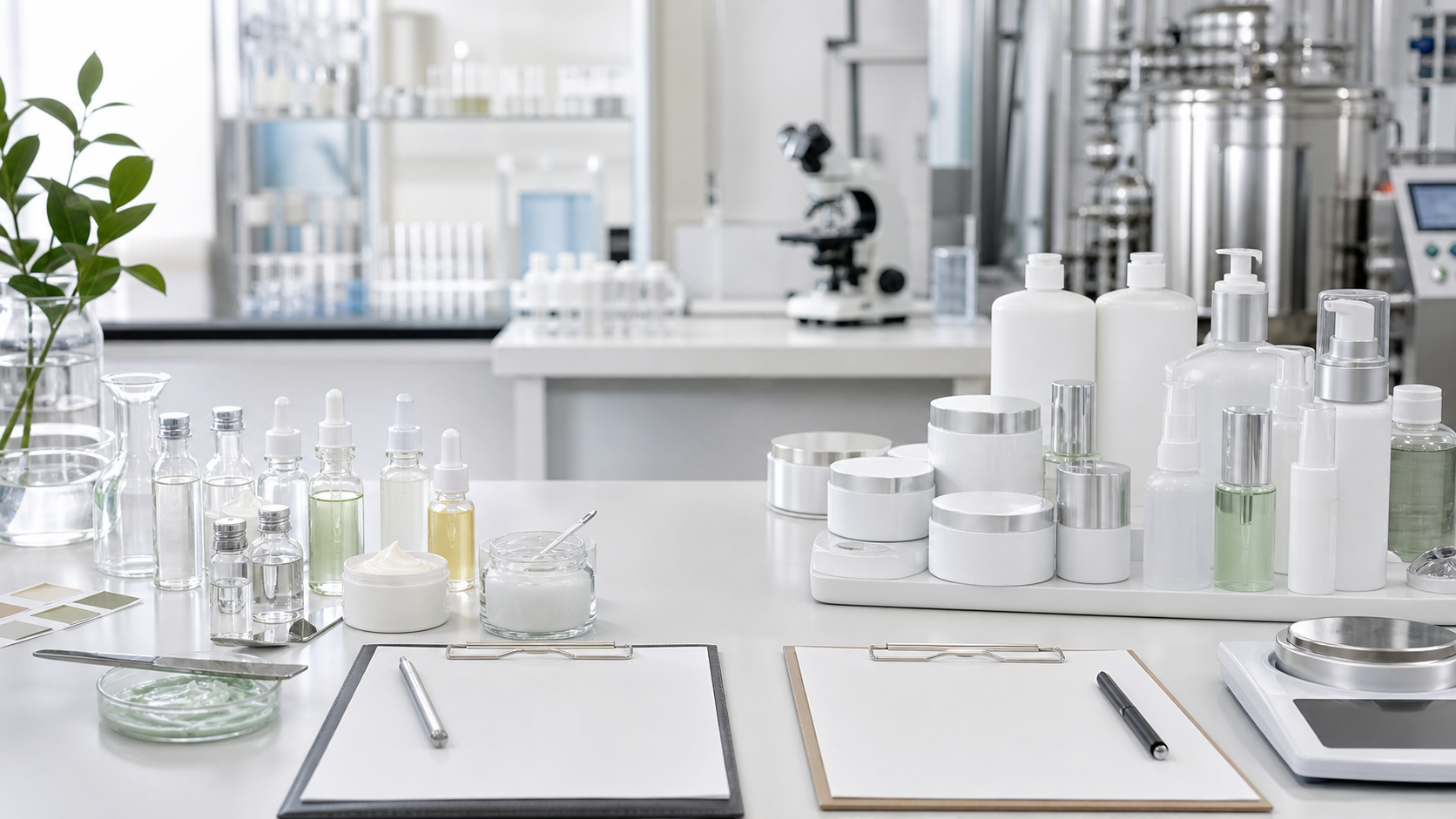
- A sample order is for evaluation and adjustment; it is not the same as commercial inventory.
- A bulk order starts after formula, packaging, artwork, MOQ, inspection standard, and production details are approved.
- Sample cost and bulk unit cost are different because lab work, small filling, packaging sourcing, and production efficiency are different.
- Mooyam Cosmetic supports private label skincare and OEM/ODM projects for brand and wholesale buyers only; we do not accept retail orders.
What Is a Cosmetic Sample Order?
A sample order is a development-stage order used to evaluate product direction before mass production. It may include stock formula samples, adjusted formula samples, custom formulation prototypes, packaging samples, color samples, fragrance options, or finished mockups. The goal is to help the buyer decide whether the product concept is ready to move forward.
For private label skincare, sample development may involve testing texture, absorption, scent, color, viscosity, packaging compatibility, and basic user experience. For makeup or body care, samples may also help check pigment payoff, applicator choice, filling behavior, or product stability. A sample order should be treated as a controlled evaluation tool, not as a shortcut to retail selling.
What Is a Bulk Order?
A bulk order is the commercial production order placed after the buyer approves the final sample and confirms order details. It usually includes formula lock, packaging material purchase, artwork approval, raw material preparation, batch manufacturing, filling, coding, inspection, packing, and shipment planning.
Bulk production has stronger requirements than sample work. The factory must control batch consistency, fill weight, packaging defects, carton marks, production records, retained samples, and quality control checks. The buyer must confirm MOQ, delivery terms, payment terms, label content, destination-market requirements, and any documents needed by the importer or sales channel.
| Item | Sample Order | Bulk Order |
|---|---|---|
| Main purpose | Evaluate formula, texture, fragrance, packaging concept, and buyer feedback. | Produce approved finished goods for launch, wholesale, Amazon, DTC, or distributor sales. |
| Quantity | Small quantity for testing, review, photography, or internal approval. | Commercial MOQ based on formula, packaging, filling line, and material purchase requirements. |
| Cost logic | May include lab work, small-batch filling, sample packaging, and development handling. | Based on formula cost, packaging cost, order quantity, production efficiency, inspection, and packing. |
| Quality focus | Sensory review, prototype feasibility, packaging fit, and revision notes. | Batch consistency, packaging inspection, fill weight, appearance, leakage, records, and final release. |
| Buyer decision | Revise, approve, reject, or request another version. | Approve production details, shipment plan, reorder timing, and market launch schedule. |
Why Sample Price and Bulk Unit Price Are Different
Buyers sometimes expect sample pricing to match bulk unit cost, but the two are not calculated the same way. A sample may require manual lab preparation, special filling, small packaging quantities, several revisions, and extra communication. Bulk production uses larger material purchase, planned filling, standardized inspection, and more efficient packing.
For this reason, a low sample quantity may appear expensive per unit, while a bulk order can have a lower unit cost after MOQ is reached. However, bulk price can still change if the buyer changes packaging, formula ingredients, decoration method, fragrance, carton structure, or testing requirements after sample approval.
How the Process Usually Moves From Sample to Bulk
The best workflow starts with a clear brief. The buyer should define product type, target market, price tier, texture benchmark, ingredient preference, packaging style, claim direction, order quantity, and launch timing. Mooyam Cosmetic can support this through cosmetic OEM/ODM service, private label skincare options, and custom formulation support.
After first samples are reviewed, feedback should be specific. Instead of saying the serum is not good, say whether it should absorb faster, feel less sticky, have lower fragrance, use a lighter bottle, or match a different viscosity. Specific feedback helps the laboratory and project manager improve the next sample version efficiently.
Before bulk production, packaging and artwork must be locked. This includes bottle, jar, tube, pump, cap, label, carton, color, printing method, barcode, batch code position, and outer carton requirement. For packaging sourcing, buyers can review customized packaging support early so lead time does not delay production.
| Stage | Buyer Output | Factory Output |
|---|---|---|
| 1. Brief | Product idea, market, MOQ target, claim direction, packaging preference. | Feasibility advice, formula route, sample plan, quotation direction. |
| 2. Sample development | Feedback on texture, scent, color, function story, and packaging feel. | Lab samples, revisions, packaging samples, technical notes. |
| 3. Pre-production approval | Final formula, packaging, artwork, order quantity, and inspection expectations. | Locked sample, material planning, production schedule, quality control plan. |
| 4. Bulk production | Payment, shipping details, destination information, and launch timing. | Batch manufacturing, filling, inspection, packing, documents, and export support. |
Common Mistakes to Avoid
One common mistake is approving a sample while packaging is still undecided. The formula may behave differently in a pump bottle, dropper, tube, or jar. Packaging should be checked before final approval, especially for products with special viscosity, oil content, fragrance, color, or air sensitivity.
Another mistake is changing formula or artwork after bulk materials are ordered. Even small changes can affect cost, lead time, label compliance, stability review, or packaging compatibility. Buyers should also avoid treating samples as guaranteed market-ready products. Requirements vary by target market, and claims or labels may need local review before sale.
Buyer Checklist Before Moving to Bulk Order
- Approve the final formula sample and keep a reference sample for comparison.
- Confirm packaging item, decoration method, label size, carton structure, and artwork files.
- Check MOQ, bulk price, payment terms, production lead time, and packaging lead time.
- Define quality control checks, retained sample process, leakage expectations, and appearance standard.
- Review ingredient list, claims, label wording, and required documents for the target market.
- Confirm delivery terms, shipping method, consignee details, carton marks, and export support needs.
Quality Control Differences Between Samples and Bulk
Sample evaluation focuses on whether the concept is right. Bulk quality control focuses on whether every production batch matches the approved standard. A reliable manufacturer should connect the final approved sample with batch production records, raw material checks, filling controls, packaging inspection, and final release.
Buyers can learn more about inspection expectations through Mooyam Cosmetic’s quality control and compliance support. The key point is that quality should not begin at the end of production. It should be planned from the sample stage so formula, packaging, documentation, and testing expectations are aligned before bulk production begins.
How Mooyam Cosmetic Supports the Full Process
Mooyam Cosmetic helps overseas beauty brands, startups, Amazon sellers, distributors, and private label buyers move from product idea to approved samples and bulk production. Our team can support formula discussion, sample development, packaging sourcing, low MOQ planning, quality control coordination, production inspection, and export support.
If you are comparing sample order and bulk order options for a skincare, body care, or cosmetic project, contact us with your product idea, target market, preferred packaging, estimated order quantity, and launch timeline. We will help you understand the next practical step.
B2B CTA
Looking for a reliable cosmetic OEM/ODM manufacturer? Mooyam Cosmetic can help with private label skincare, custom formulation, sample development, low MOQ production, packaging sourcing, quality control, bulk production, and export support. Send your product requirements to discuss a practical sample-to-bulk manufacturing solution.
FAQ
Is a sample order the same as a trial bulk order?
No. A sample order is mainly for evaluation and approval. A trial bulk order is a commercial production order with finished goods, even if the quantity is lower than a large reorder.
Can I sell cosmetic samples?
Samples are usually made for testing, review, photography, or internal approval. Selling samples may require proper labeling, compliance review, and market-specific checks, so buyers should not treat development samples as retail goods.
How many sample revisions are normal?
It depends on the product complexity and how clear the buyer’s feedback is. A simple private label product may need fewer revisions, while a custom formulation project may need more development rounds.
Can packaging be confirmed after formula approval?
It can, but it is better to evaluate packaging before final approval. Packaging can affect stability, leakage, dosing, user experience, carton size, MOQ, and production lead time.
Why is the sample fee higher than expected?
Sample fees may include lab preparation, small filling, packaging samples, development handling, and revision work. Bulk unit pricing follows a different cost structure based on larger production quantities.
When should a buyer place the bulk order?
A buyer should place a bulk order after formula, packaging, artwork, MOQ, price, inspection standard, lead time, and shipment plan are confirmed.
Does Mooyam Cosmetic accept retail orders?
No. Mooyam Cosmetic works with brands, distributors, and professional buyers on wholesale cosmetic OEM/ODM and private label projects. We do not accept retail orders.